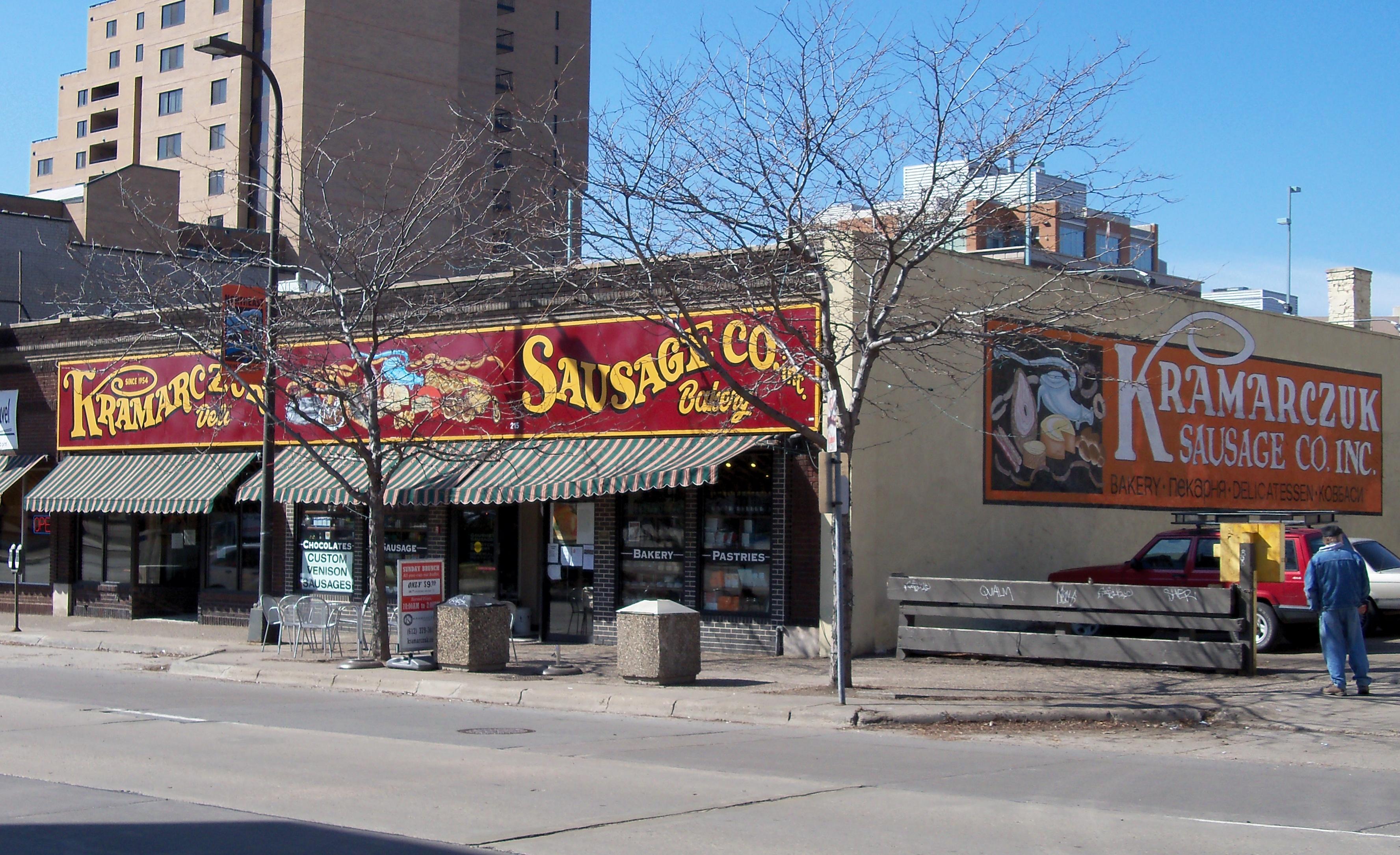
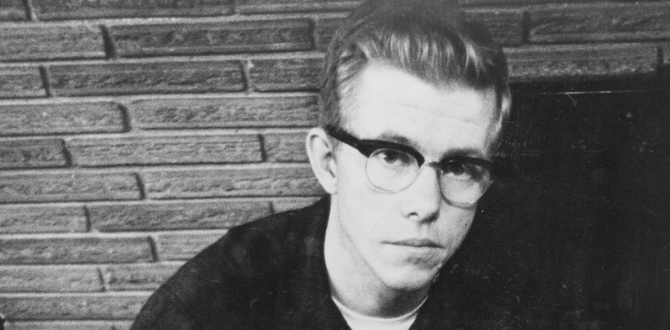
The 5 Best New Restaurants in Northeast MinneapolisNortheast Minneapolis has always been the city's creative soul, and 2025 is proving it. These five new restaurants are redefining what it means to eat local.Read Full Story
The Chinatown That Became a Parking LotFrom the 1870s until 1952, Salt Lake City's Plum Alley was a vibrant Chinese neighborhood — restaurants, laundries, groceries, gambling halls, and temples crammed into a narrow block downtown. The men who built the railroads lived there. Families raised children there. Then urban renewal came, and Plum Alley was erased. Today, a parking structure sits where a community once thrived. Most Salt Lakers don't know it ever existed.Read Full Story

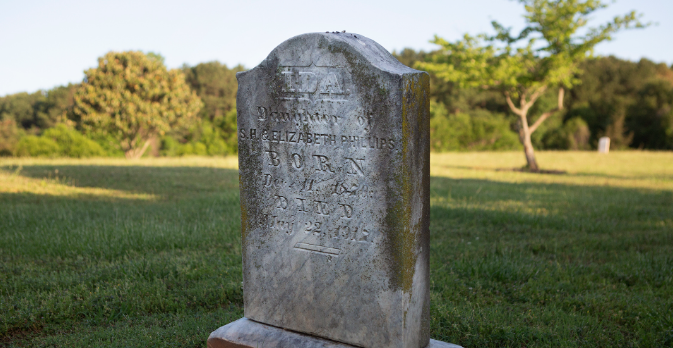
Victim of the Beast 666In Salt Lake City Cemetery, a modest red granite headstone has drawn curiosity-seekers for decades. It marks the grave of Lilly E. Gray, who died in 1958 at age 77. Below her name and dates is a single, enigmatic line: "Victim of the Beast 666." Ghost hunters love it. Conspiracy theorists have spun elaborate tales. The real story involves a paranoid husband, a grudge against the government, and a reminder that the most compelling mysteries sometimes have the most ordinary explanations.Read Full Story
The City Built on Dying LungsColorado Springs wasn't built on gold or railroads. It was built on tuberculosis. By 1900, one-third of the city's residents were infected. Sanitariums lined the foothills. "Lungers" filled the boarding houses. The city marketed itself as a place to die slowly and comfortably — and it worked. Then antibiotics cured TB, the sanitariums closed, and Colorado Springs had to find a new reason to exist. The military-evangelical city you know today rose from the ruins of a tuberculosis resort.Read Full Story
The Night of the AxemanThey called it the worst crime in Colorado Springs history. On a September night in 1911, someone entered two homes and killed six people with the blunt end of an axe — a man, his wife, their toddler, and a woman with her two children. Every victim's face was covered with a sheet. Every mirror in the houses was draped. The killer vanished and was never found. A century later, researchers believe the murders were the work of a serial killer who rode the railroads across America, leaving a trail of axe murders from Colorado to Iowa.Read Full Story
The Bombing Campaign Dallas ForgotIn the early 1950s, a systematic campaign of racial terror swept through South Dallas. Black families who dared to buy homes in previously white neighborhoods found dynamite on their porches, bombs in their yards, their houses destroyed while they slept. At least eighteen bombs exploded. The police did nothing — or worse. Grand juries were convened and mysteriously disbanded. No one was ever convicted. Dallas erased the whole thing from its official history.Read Full Story
The Highway Over the GravesFor a century, Dallas built over its dead. Freedman's Cemetery was established in 1869 for formerly enslaved people — the only place in the city where Black residents could bury their dead. By 1900, over 5,000 people lay there. Then the city forgot. Roads were built. The cemetery disappeared from maps. In 1990, construction crews discovered they'd been driving over graves for generations. What they found forced Dallas to confront a history it had literally buried.Read Full Story
The Coney Island Dallas ForgotIn the early 1900s, Lake Cliff Park was the entertainment capital of Dallas. Roller coasters looped over a spring-fed lake. A massive natatorium drew thousands of swimmers. Vaudeville shows packed the pavilion. Then came the 1908 flood that wiped out the bridges and trolley lines. Without easy access from Dallas, the park couldn't survive. It closed in 1913, and Dallas erased it from memory. Today, a quiet city park sits where the roller coasters once ran. Almost nothing marks what was lost.Read Full Story
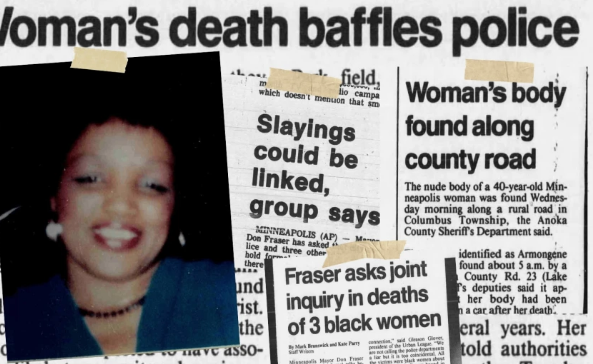
The Founding TragedyIn 1918, the Spanish flu reached Alaska and devastated the Dena'ina Athabascan people who had inhabited the Anchorage region for centuries. Approximately 50% of the Dena'ina population in the Cook Inlet region died. Eight villages were completely abandoned. The founding of Anchorage and the near-extinction of its original inhabitants happened simultaneously — and the city has never reckoned with this coincidence.Read Full Story
The Plane That VanishedOn October 16, 1972, a small plane carrying two U.S. congressmen took off from Anchorage and vanished. Hale Boggs was the House Majority Leader, second in line for the presidency. Nick Begich was Alaska's only congressman. Despite a 39-day search covering 32,000 square miles, no trace of the plane was ever found. Begich won re-election a month later — posthumously. The disappearance spawned conspiracy theories involving the Mafia, the FBI, and Watergate. The truth remains unknown.Read Full Story
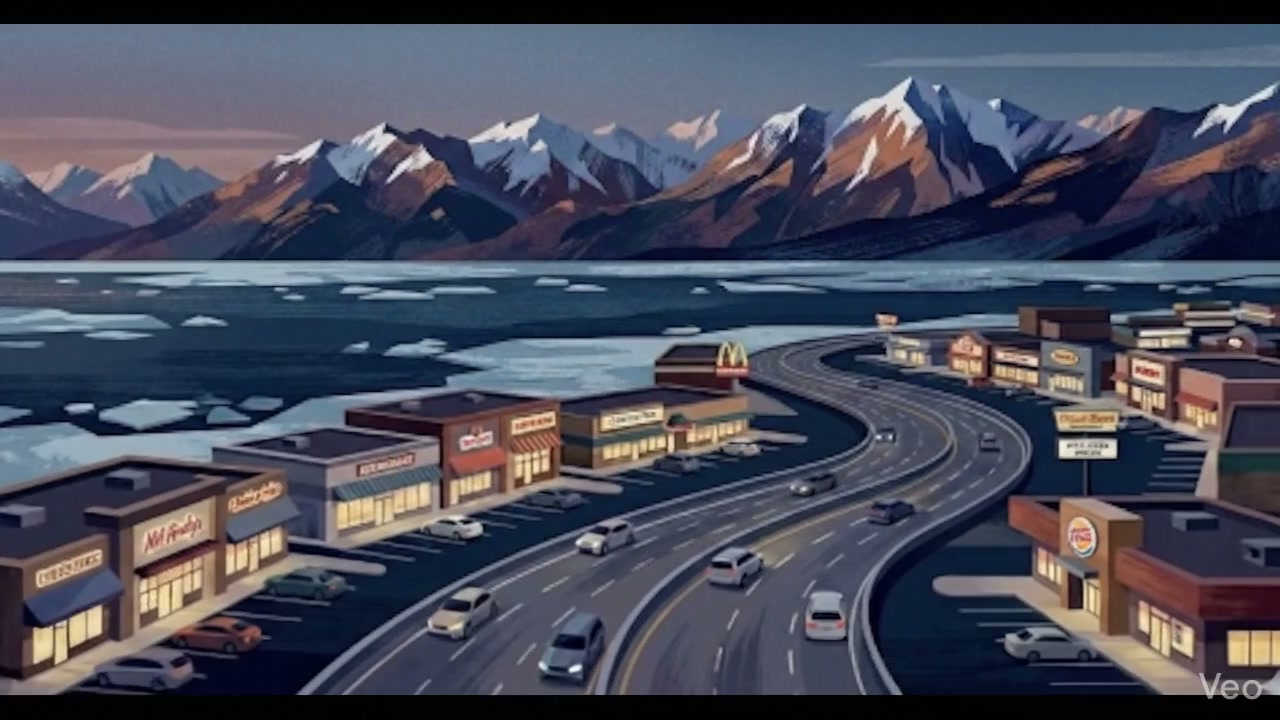
The Wettest Dry Town in AlaskaIn 1917, Alaska banned alcohol sales — two years before national Prohibition. Anchorage, a rough railroad town of 1,900 people, responded predictably: it became one of the wettest dry towns in America. Bootleggers landed contraband at a hidden cove on Cook Inlet. Forty speakeasies operated openly. The legendary "Phantom Swede" ran liquor with impunity. Children earned $5 bounties for reporting illegal stills. Anchorage was born drunk, and Prohibition only made it thirstier.Read Full Story
The Ten-Minute DivorceBefore Vegas weddings, there were Fargo divorces. In the late 1800s, Dakota Territory had the most lenient divorce laws in America — so lenient that you could arrive by train, file papers, and be legally single before lunch. Fargo became internationally famous as the place where marriages went to die. One local judge granted 350 divorces in a single year. The "divorce mill" ran for decades until scandalized citizens finally shut it down.Read Full Story
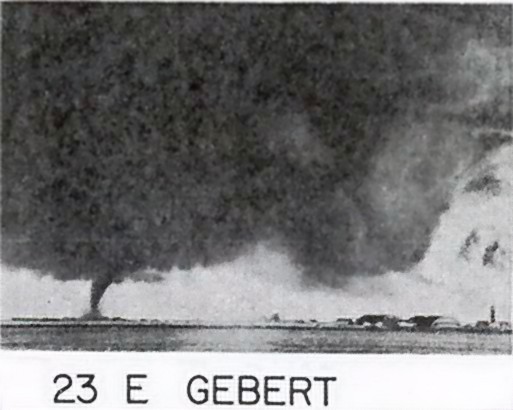
The Tornado That Taught Us EverythingThe 1957 Fargo tornado killed 13 people and destroyed over 1,300 homes. But its greatest impact was scientific. A young meteorologist named Ted Fujita spent weeks studying the devastation, analyzing 200 photographs frame by frame. His groundbreaking research introduced terms like "wall cloud" and "tail cloud" to meteorology. It eventually led to the Fujita Scale — the F1-to-F5 system we still use today. Modern tornado science was born in Fargo's rubble.Read Full Story
The Graves Beneath the FestivalTrollwood Park hosts Fargo's beloved summer arts festival. It used to be the Cass County Poor Farm — a facility for the destitute, the elderly, and the mentally ill. When residents died without money or family, the county buried them on-site in unmarked graves. Over 350 bodies have been found. River erosion keeps revealing more. The park where families picnic is also a mass grave for the people Fargo forgot.Read Full Story
The Halloween Massacre Denver ForgotDenver's Chinatown was thriving in 1880 — laundries, restaurants, over 400 residents in a neighborhood called Hop Alley. Then, on Halloween night, a bar fight escalated into a race riot. A mob of 3,000 white men destroyed every Chinese business, beat residents in the streets, and lynched a man named Look Young. The Chinese consul demanded reparations. The federal government refused. The killers were acquitted. For 142 years, Denver's only marker blamed the victims. It wasn't corrected until 2022.Read Full Story
The Night the Dam BrokeThe Castlewood Dam was cracked from the day it was built in 1890. Water seeped through the structure. Engineers issued warnings. Nobody did anything. Then, during a thunderstorm in 1933, the dam finally gave way. An eleven-foot wall of water raced down Cherry Creek toward Denver at 18 miles per hour. Two people died. The damage, in the depths of the Depression, was catastrophic. Today, the ruins stand in a state park, a reminder of what happens when warnings are ignored.Read Full Story
The Son Who Bombed His Mother's PlaneMinutes after takeoff from Denver's Stapleton Airport, United Airlines Flight 629 exploded in midair, killing all 44 people aboard. The FBI investigation led to a shocking discovery: the bomber was one of the passengers' own sons, who had planted dynamite in his mother's luggage for insurance money. Jack Gilbert Graham became one of the first people executed for federal murder. The case changed aviation security forever.Read Full Story
The Men Who Read to the Cigar RollersBefore podcasts, before radio, before audiobooks, there were the lectores. In Tampa's cigar factories, workers pooled their wages to hire professional readers who would spend eight hours a day reciting novels, newspapers, and political tracts while thousands of hands rolled tobacco. The practice made Ybor City's workers the best-informed laborers in America — so informed that factory owners eventually banned it. The last lector was fired in 1931. This is the story of an extinct American profession.Read Full Story
The Neighborhood Under the HighwayFor over sixty years, Dobyville was a thriving African American neighborhood in the shadow of Hyde Park's mansions. The people who worked in those mansions — cooks, maids, gardeners, drivers — built homes and raised families just blocks away. Then, in the 1970s, Tampa decided it needed a highway. Dobyville was in the way. The city demolished the entire neighborhood, scattered its residents, and paved over the memory. Today, cars pass over where the community used to be at 60 miles per hour. There is no marker.Read Full Story
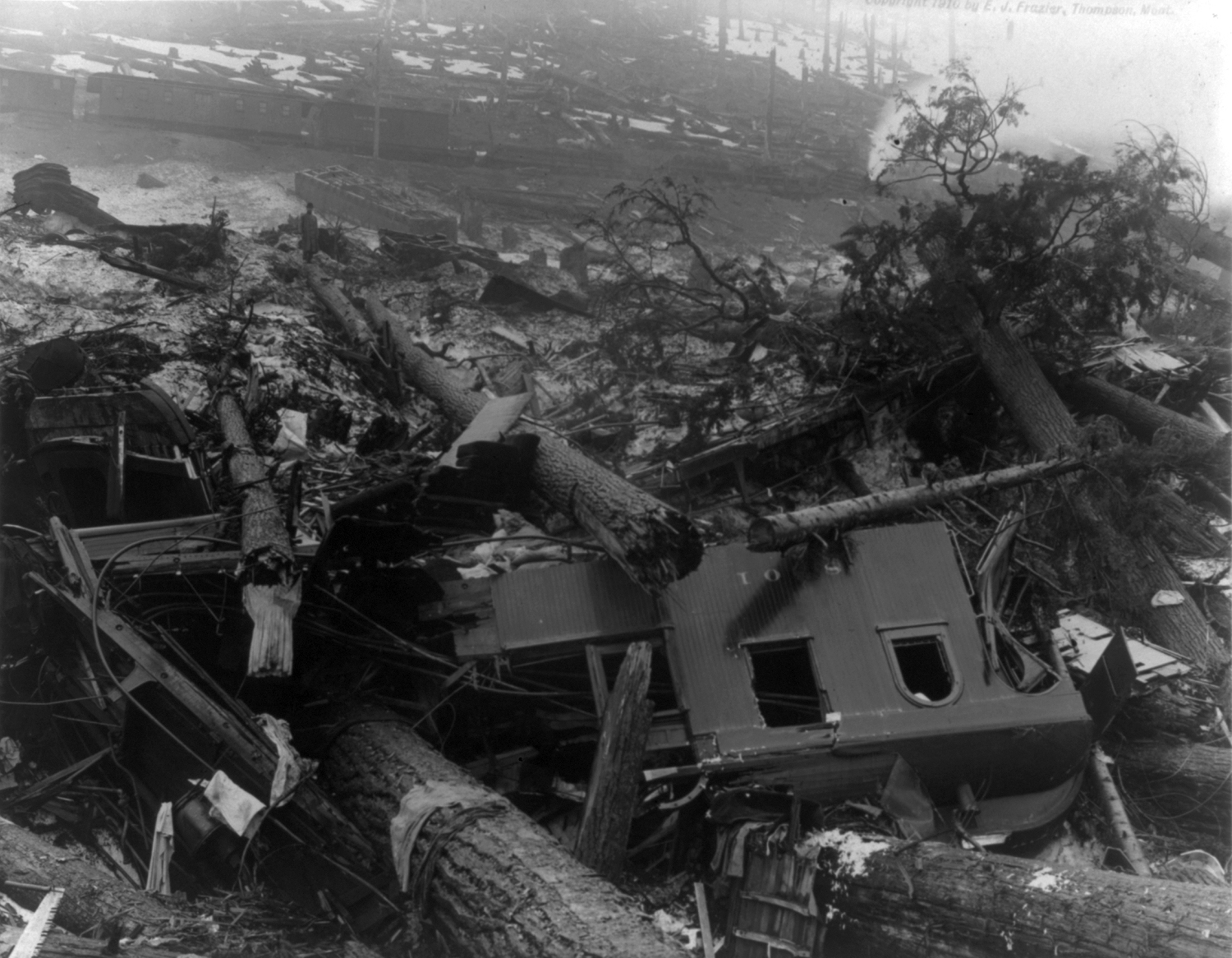
The Avalanche That Buried a TrainFor six days, two trains sat trapped by snow at Wellington Station in the Cascade Mountains. The passengers waited. The railroad tried to dig them out. Then, at 1:42 AM on March 1, 1910, lightning ignited a massive avalanche that swept both trains off the mountain. Ninety-six people died. The Great Northern Railway was so ashamed they renamed the station and let it disappear from memory. Most Washingtonians have never heard of it.Read Full Story
When Seattle Was Coal CountryFor fifty years, King County was one of the largest coal-producing regions west of the Mississippi. Mines in Newcastle, Renton, and Black Diamond employed thousands. Chinese workers did the most dangerous jobs. Indigenous Duwamish people were displaced to make way for the mines. Then oil replaced coal, the mines closed, and Seattle became the tech-and-coffee city it is today. Most Seattleites have no idea their city was built on coal — or that abandoned mine shafts still run beneath their suburbs.Read Full Story
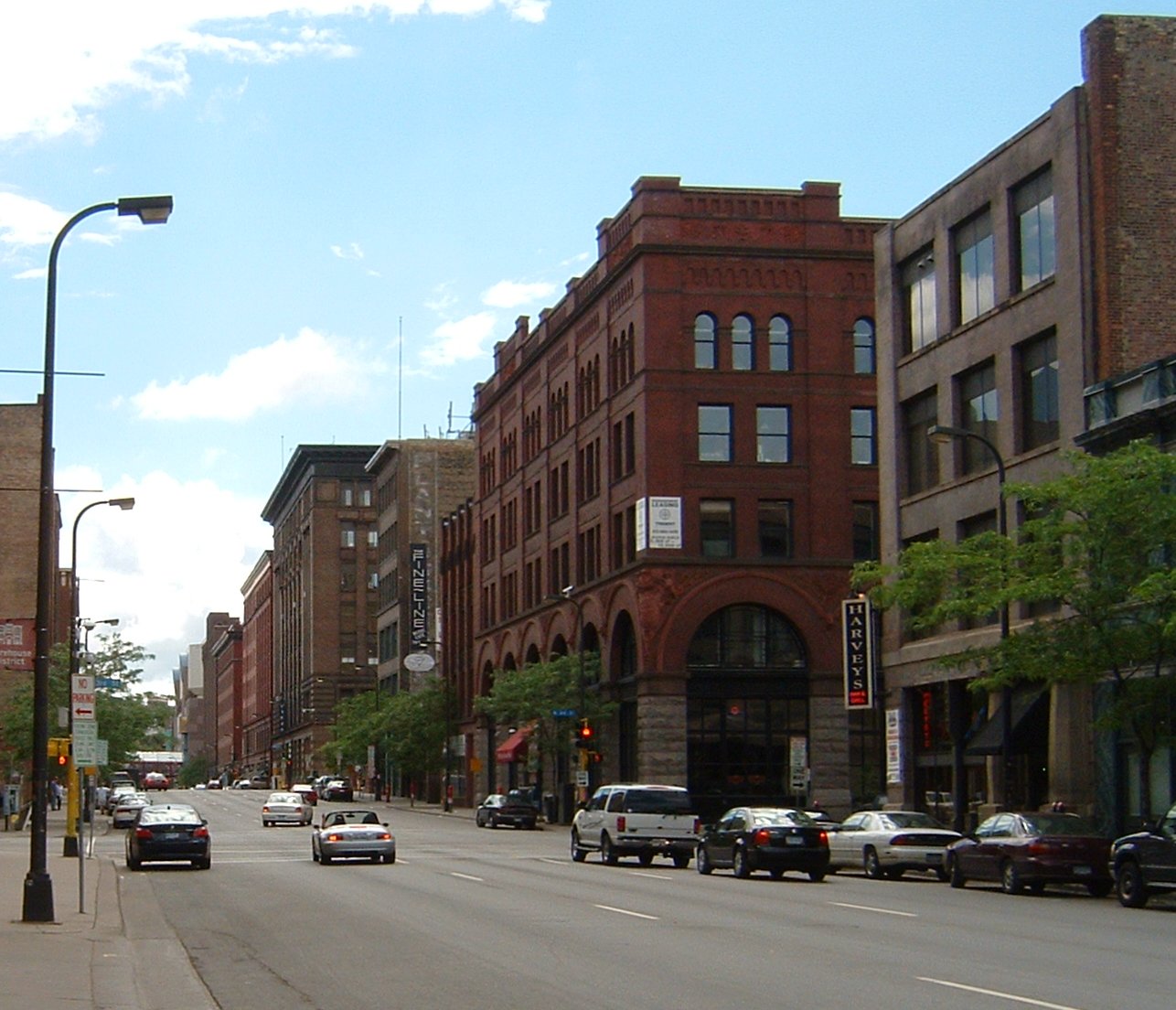
The Gateway District: When Minneapolis Demolished Its HistoryBetween 1959 and 1963, Minneapolis demolished over 200 buildings in the Gateway District — 40% of downtown, including the city's first skyscraper and the intersection where Minneapolis was born. The goal was to eliminate "Skid Row" and its 3,000 single male residents. The result was parking lots and brutalist office buildings. It was America's first federally funded urban renewal project, and one of its greatest mistakes.Read Full Story
The Great Mill Disaster: When Flour ExplodedThe Washburn A Mill was the world's largest flour mill — a seven-story giant powered by St. Anthony Falls. On the evening of May 2, 1878, accumulated flour dust ignited. The explosion was heard ten miles away. Eighteen workers died instantly. Six nearby mills were destroyed. The disaster changed how the world thought about industrial safety — and gave birth to modern Minneapolis.Read Full Story
Bohemian Flats: The Immigrant Village Minneapolis ErasedFrom the 1870s to the 1930s, Bohemian Flats was a village beneath the bluffs of Minneapolis — a thousand Slovaks, Czechs, Swedes, and Irish living in small houses along the Mississippi, climbing 79 wooden stairs to work in the mills each day. The city called it a slum. Residents called it home. Minneapolis demolished it for a coal terminal. Today, no physical trace remains.Read Full Story
From the Horn of Africa to the Land of 10,000 LakesThey came from a country where the temperature rarely drops below 70°F to a state where it regularly hits -20°F. They had no word for snow in their language. Now Minneapolis is home to the largest Somali population outside of Africa — over 100,000 people who transformed Cedar-Riverside into "Little Mogadishu," built an economy worth $8 billion, and sent a refugee to Congress. This is the story of how Minnesota became the unlikely capital of the Somali diaspora.Read Full Story
The Numbered Graves: Dorothea Dix CemeteryBetween 1859 and 1970, over 900 patients died at Dorothea Dix Hospital in Raleigh. Most were buried in the hospital cemetery with no name — just a numbered metal tag, a cross, and silence. The stigma of mental illness meant families abandoned them even in death. For over a century, they were anonymous. Now volunteers are uncovering their names and restoring their markers, one grave at a time.Read Full Story
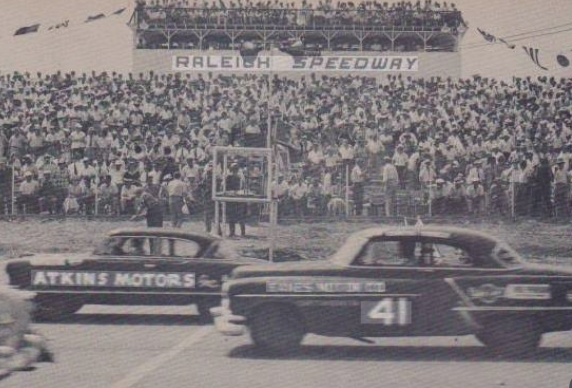
The Lost Speedway: NASCAR's Forgotten Raleigh TrackIn the 1950s, Raleigh had a NASCAR superspeedway — a one-mile oval where legends like Lee Petty and Fireball Roberts competed under the first nighttime lights in racing history. Bill France Sr. built it to rival Daytona. Then the city complained about noise, banned Sunday racing, and killed it. The track closed in 1958. Today, only a fragment of the backstretch survives, hidden in the woods near an industrial park.Read Full Story
The Iroquois Theater Fire: Chicago's Forgotten InfernoThe Iroquois Theater was "absolutely fireproof." That's what the advertisements said. On December 30, 1903, a spark from a stage light ignited a curtain, and 602 people died in fifteen minutes — women, children, families packed in for a holiday matinee. The exits were locked to prevent gate-crashers. The "asbestos" fire curtain was made of wood pulp. It remains the deadliest single-building fire in American history.Read Full Story
The Max Headroom Incident: TV's Only Unsolved HijackingOn November 22, 1987, someone wearing a Max Headroom mask hijacked the signals of two Chicago television stations. For 90 seconds, viewers watched a distorted figure make bizarre statements, moan, and get spanked with a flyswatter. The FBI investigated for years. Nobody was ever caught. It remains the only unsolved broadcast signal intrusion in American history — and one of the creepiest unsolved mysteries of the analog TV era.Read Full Story
Mystery Castle: A Father's Secret Desert CastleWhen Boyce Gulley was diagnosed with tuberculosis in 1927, he disappeared from his wife and three-year-old daughter without a word. He spent the next 16 years in the Arizona desert, secretly building an 18-room castle from car parts, goat milk, and salvaged junk — all for the daughter who thought he'd abandoned her. She inherited it after his death, along with hidden treasure, love letters, and a childhood Valentine she'd made for him decades earlier.Read Full Story
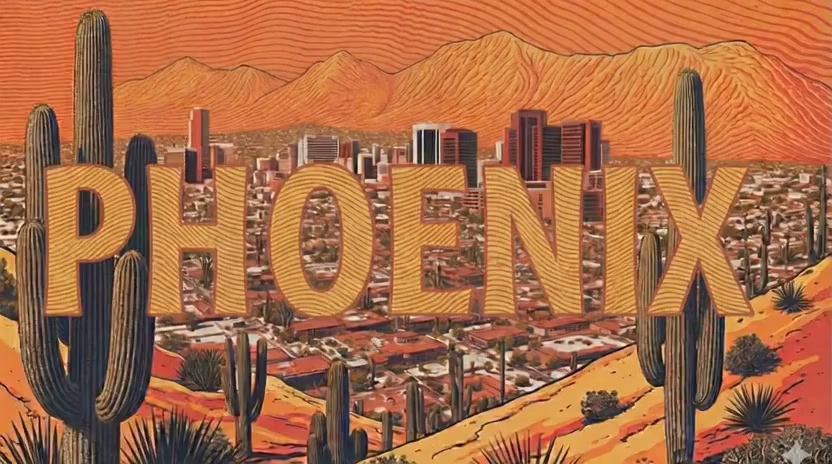
The Trunk Murderess: Phoenix's Most Infamous CrimeOn October 16, 1931, a medical secretary named Winnie Ruth Judd killed her two friends in Phoenix, dismembered one of them, packed the bodies in trunks, and boarded a train to Los Angeles. She was caught when the baggage handler noticed the smell. The trial made national headlines. She was sentenced to hang, declared insane, and spent decades in an asylum — from which she escaped seven times, once living undetected for six years. This is Phoenix's most infamous true crime story.Read Full Story
Dr. Marie Equi: Portland's Lesbian Anarchist DoctorIn the early 1900s, Dr. Marie Equi was one of Portland's most prominent physicians — and one of its most dangerous radicals. She provided abortions and birth control when both were illegal, lived openly with her female partner, adopted a child in one of America's first same-sex families, and was imprisoned for sedition. She was called "the most dangerous woman in Oregon." This is her story.Read Full Story
Mill Ends Park: The World's Smallest ParkIn 1948, Portland newspaper columnist Dick Fagan looked out his office window and saw a leprechaun digging in an abandoned hole in a traffic median. He caught the leprechaun, wished for a park, and got exactly what he asked for: a circle two feet across, officially the world's smallest park. For decades it had a tiny swimming pool, hosted snail races, and was home to "the only leprechaun colony west of Ireland." Portland has never stopped being weird.Read Full Story
Duck Duck Grey Duck: Minnesota's Hill to Die OnMinnesota is the only place in America that plays "Duck Duck Grey Duck" instead of "Duck Duck Goose." The rest of the country thinks this is wrong. Minnesotans will fight you about it. Here's the surprisingly deep history behind the only regional children's game variant worth arguing about.Read Full Story
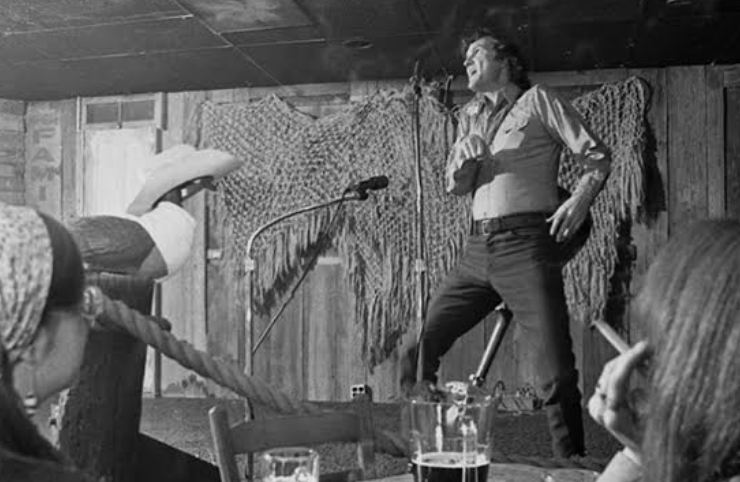
Punk Rock in a Bomb Shelter: The Village UndergroundFrom 1971 to 1984, a Cold War bomb shelter beneath Raleigh's Village District hosted The Ramones, Iggy Pop, The Police, Sonic Youth, and David Sedaris's high school imagination. The entrance was designed to look like a NYC subway station. Now it's sealed beneath a grocery store. Your organic kale sits directly above where punk happened.Read Full Story
The Eastland Disaster: Chicago's Forgotten TitanicOn July 24, 1915, the SS Eastland capsized in the Chicago River while passengers were still boarding for a company picnic. 844 people died — more than the Titanic's American death toll. The ship never left the wharf. It remains the deadliest single-vessel disaster in Great Lakes history, and somehow, it's been almost completely forgotten.Read Full Story
When Tesla Blacked Out Colorado SpringsIn 1899, Nikola Tesla chose Colorado Springs for the ultimate mad scientist experiment: generating artificial lightning. His 80-foot tower produced 135-foot electrical discharges — so powerful they fried the local power company's generator and plunged the city into darkness. The site of his laboratory is now a parking lot with a small plaque.Read Full Story
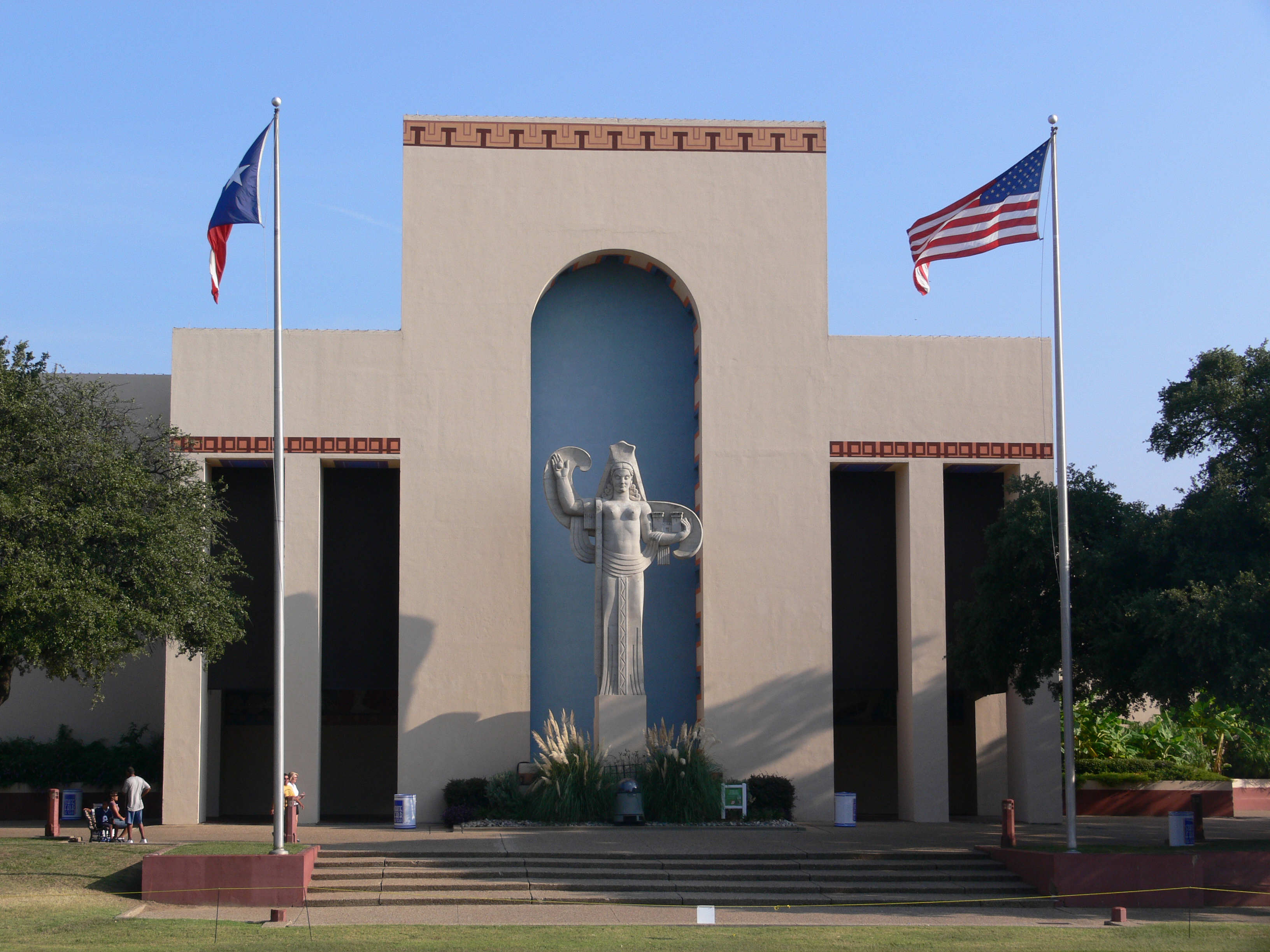
The Day Dallas Invented the FutureEvery smartphone, every computer, every digital device traces back to a lab in Dallas. In 1958, Jack Kilby invented the integrated circuit at Texas Instruments. He won the Nobel Prize for it. You're using his invention right now.Read Full Story
When the Ground Turned to Liquid: The 1964 Alaska EarthquakeOn March 27, 1964, the most powerful earthquake ever recorded in North America struck Alaska. At 9.2 magnitude, it shook for four and a half minutes. Entire neighborhoods liquefied and slid into the sea. The landscape was permanently altered. You can still walk through the scars.Read Full Story
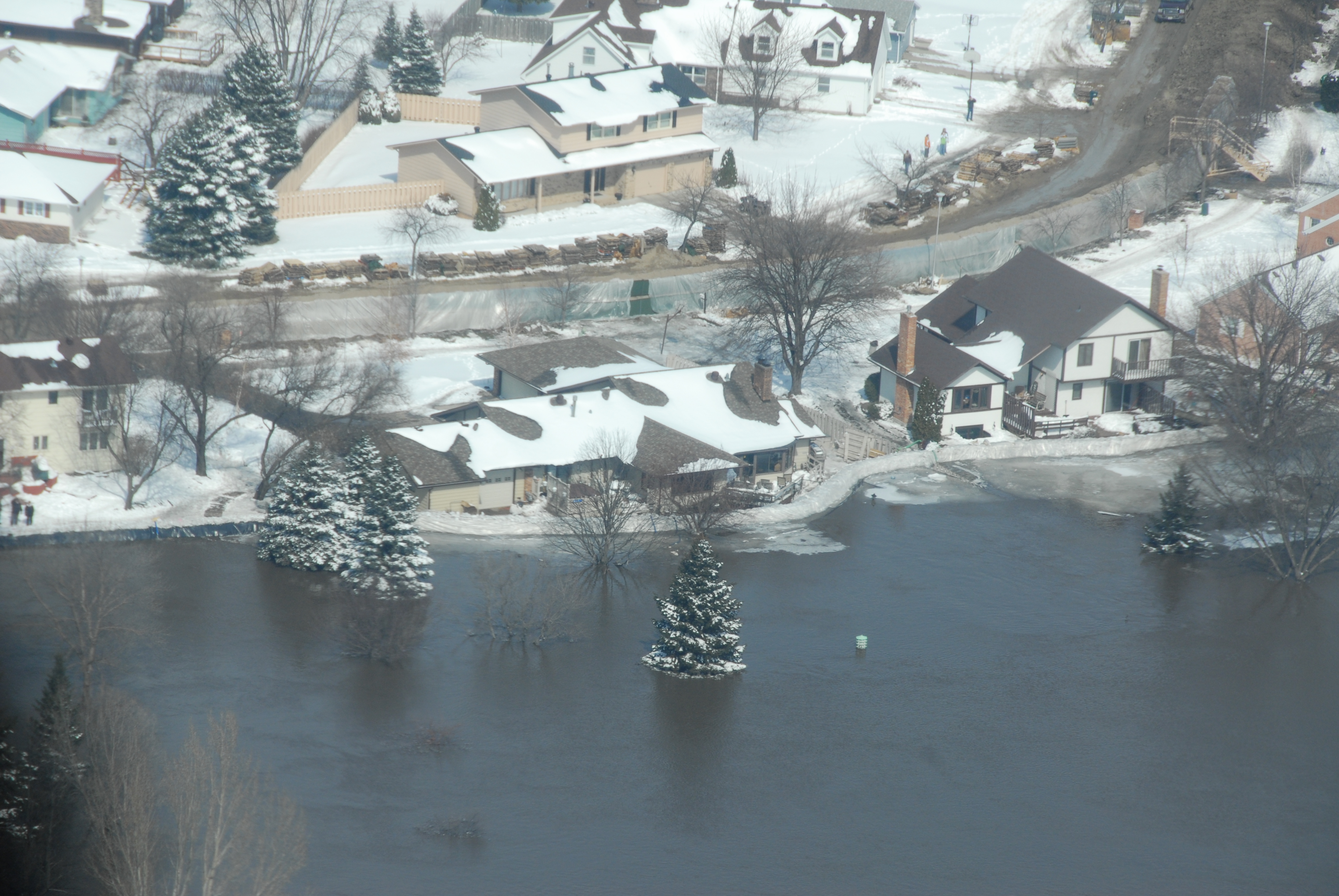
On the Bed of a Vanished SeaThat perfectly flat horizon in Fargo? It's the silted floor of glacial Lake Agassiz, which covered 110,000 square miles 10,000 years ago — larger than all five Great Lakes combined. When the ice dam broke, it drained catastrophically. The flatness isn't boring. It's the aftermath of an ancient apocalypse.Read Full Story
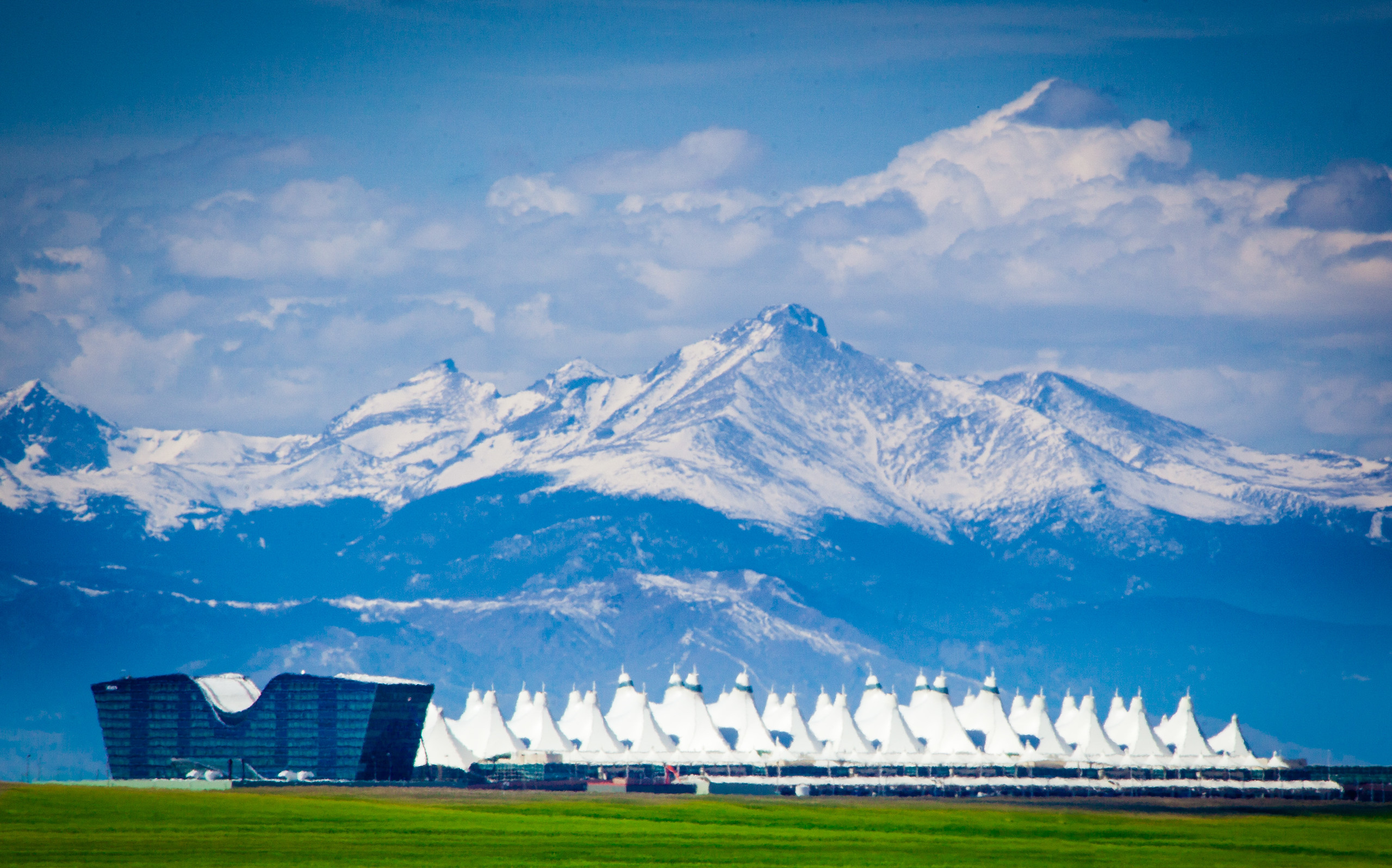
Blucifer: The Demon Horse That Murdered Its CreatorDenver International Airport is greeted by a 32-foot blue mustang with veins bulging and eyes glowing hellfire red. The sculpture killed its creator when a piece fell on him, severing an artery. Locals call it Blucifer. The airport sells merchandise about it. Welcome to Denver.Read Full Story
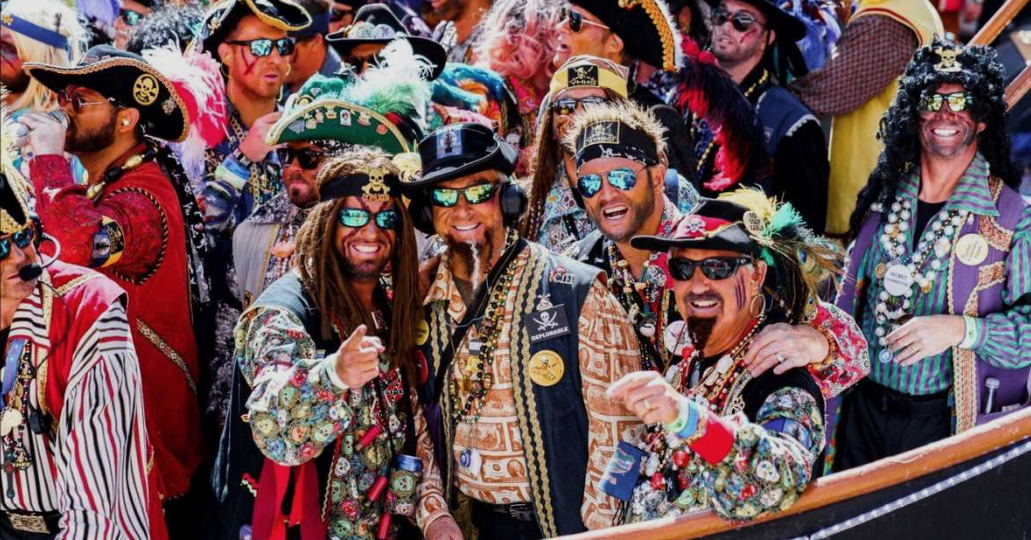
The Pirate Who Never WasJose Gaspar never existed. The pirate whose name adorns Tampa Bay's biggest festival, the NFL team's ship, and countless gift shop tchotchkes is a complete fabrication - invented by railroad promoters, embellished by con artists, and maintained by everyone who profits from the myth.Read Full Story
The Phoenix Lights: What Thousands of People SawOn March 13, 1997, thousands of Arizona residents witnessed a massive V-shaped formation of lights moving silently across the sky. Pilots, police officers, and the Governor all reported seeing it. The Air Force blamed flares. Twenty-five years later, the Phoenix Lights remain one of the most witnessed and documented UFO events in history.Read Full Story
The Vanport Flood: A City Erased in 35 MinutesVanport was Oregon's second-largest city by 1948, home to 18,500 people — including most of Portland's Black population. On May 30, 1948, officials assured residents the dikes would hold. At 4:17 PM, they didn't. The city was underwater in 35 minutes. It was never rebuilt. The flood permanently reshaped Portland.Read Full Story
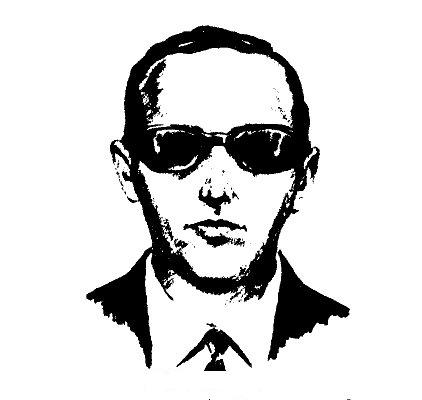
D.B. Cooper: The Man Who VanishedOn November 24, 1971, a man calling himself Dan Cooper hijacked Northwest Orient Flight 305, collected $200,000 in ransom, and parachuted into the Washington wilderness. He was never found. The FBI officially closed the case in 2016. The Pacific Northwest never stopped looking.Read Full Story
The Day Japanese Bombs Floated Over UtahDuring World War II, Japan launched 9,300 balloon bombs across the Pacific. At least one landed in Utah's Box Elder County, where a sheriff grabbed it by hand and held on for 45 minutes. The story was classified for decades.Read Full Story
The Butcher BakerRobert Hansen was a man of contradictions that should have been visible but somehow weren't. By day, he ran Hansen's Bakery in downtown Anchorage, a respected small business that made breads and pastr...Read Full Story
Pikes Peak or BustGeneral William Jackson Palmer founded Colorado Springs in 1871 as a resort town for wealthy tuberculosis patients, a place where the dry mountain air and sunshine might cure what medicine could not....Read Full Story