There is no word for snow in Somali. The closest is "baraf," which means ice. When Somali refugees began arriving in Minnesota in the early 1990s, they encountered something their language had never needed to name: white flakes falling from the sky, accumulating in drifts, transforming the world into something unrecognizable.
They came from the Horn of Africa, where the temperature in Mogadishu rarely drops below 70°F and the sun blazes so hot that the streets turn ash-white. They arrived in a state where winter temperatures regularly hit -20°F, where the wind chill can kill you in minutes, where six months of the year the landscape looks like another planet.
It is, as one scholar put it, "perhaps the least likely place to find tens of thousands of African refugees: the cold, snowy, middle of America." And yet here they are — over 100,000 Somali people, the largest community outside of Africa, in a state so Nordic that the license plates once said "Land of 10,000 Lakes" in a font that looked like it came from a Viking longship.
This is the improbable story of how Minneapolis became the capital of the Somali diaspora.
The Collapse
To understand why Somalis came to Minnesota, you have to understand what they were fleeing. In 1991, the Somali government collapsed. What followed was one of the worst humanitarian catastrophes of the late twentieth century — civil war, warlords, famine, chaos. Mogadishu, once called "the Pearl of the Indian Ocean," became synonymous with violence. The images Americans remember: Black Hawk Down, starving children, gunfire in the streets.
Over a million Somalis fled. Many ended up in refugee camps in Kenya — sprawling tent cities like Dadaab, designed to hold 90,000 people but swelling to over 400,000. Families waited there for years, sometimes decades, hoping for resettlement somewhere, anywhere.
In 1992, the United States began issuing refugee visas to Somalis. The question was: where to send them?
The Scouts
The first Somalis didn't choose Minnesota. The federal refugee resettlement program assigned them — to Texas, to California, to a meatpacking town called Marshall, 150 miles southwest of Minneapolis. It was 1992, and a small group of Somali men answered a job ad for a poultry processing plant. They were hired immediately.
What happened next is how the Somali diaspora works. In Somali culture, there's a concept called "war" — not conflict, but news, the rapid sharing of information through community networks. The men in Marshall sent word back: there are jobs here. The work is hard but the pay is real. Americans are hiring.
Then came the "sahan" — a word that means something between scout and pioneer, someone who goes ahead to verify reports. Somalis living in San Diego, where many had originally been resettled, sent scouts to Minnesota to check if the rumors were true. They came back with confirmation: Minnesota was real. Minnesota worked.
"As Somalis settle down, find a life, the good news spreads: "Hey, this is a good place, you can find a life here." And then everyone comes."
— Ahmed Ismail Yusuf, Author, "Somalis in Minnesota"
Why Minnesota?
The obvious question: why would people from one of the hottest countries on Earth choose one of the coldest places in America? Warmer states existed — Texas, Arizona, Florida. States with climates that wouldn't require learning entirely new concepts like "frostbite" and "windchill" and "black ice."
The answer is practical: Minnesota had what Somalis needed. Jobs, first — not just meatpacking, but healthcare, logistics, service industries desperate for workers. The state's refugee resettlement agencies were experienced; they'd already helped Vietnamese and Hmong refugees in the 1970s and 80s. Lutheran Social Services, Catholic Charities, World Relief — the infrastructure existed.
There was also something harder to quantify. Somalis have a word — "martisoor" — that means hospitality, welcome. Minnesota, they found, had martisoor. The liberal political tradition established by Hubert Humphrey and Walter Mondale had created a culture that, if not always comfortable with newcomers, at least didn't turn them away.
The Cold Equation
Somali poetry and music are filled with images of clouds, rain, cold weather, and green landscapes — idealized visions of a world opposite to the desert they knew. In thousands of Somali songs, scholars have found almost none that romanticize hot weather and blue skies. Minnesota, in a sense, was the fantasy made real.
And once the first wave arrived, chain migration did the rest. Somalis brought their families. Their families brought their friends. Entire clans relocated together, maintaining the kinship networks that had sustained them through civil war. By the late 1990s, Minneapolis had become the unofficial capital of the Somali diaspora — and it wasn't close.
Little Mogadishu
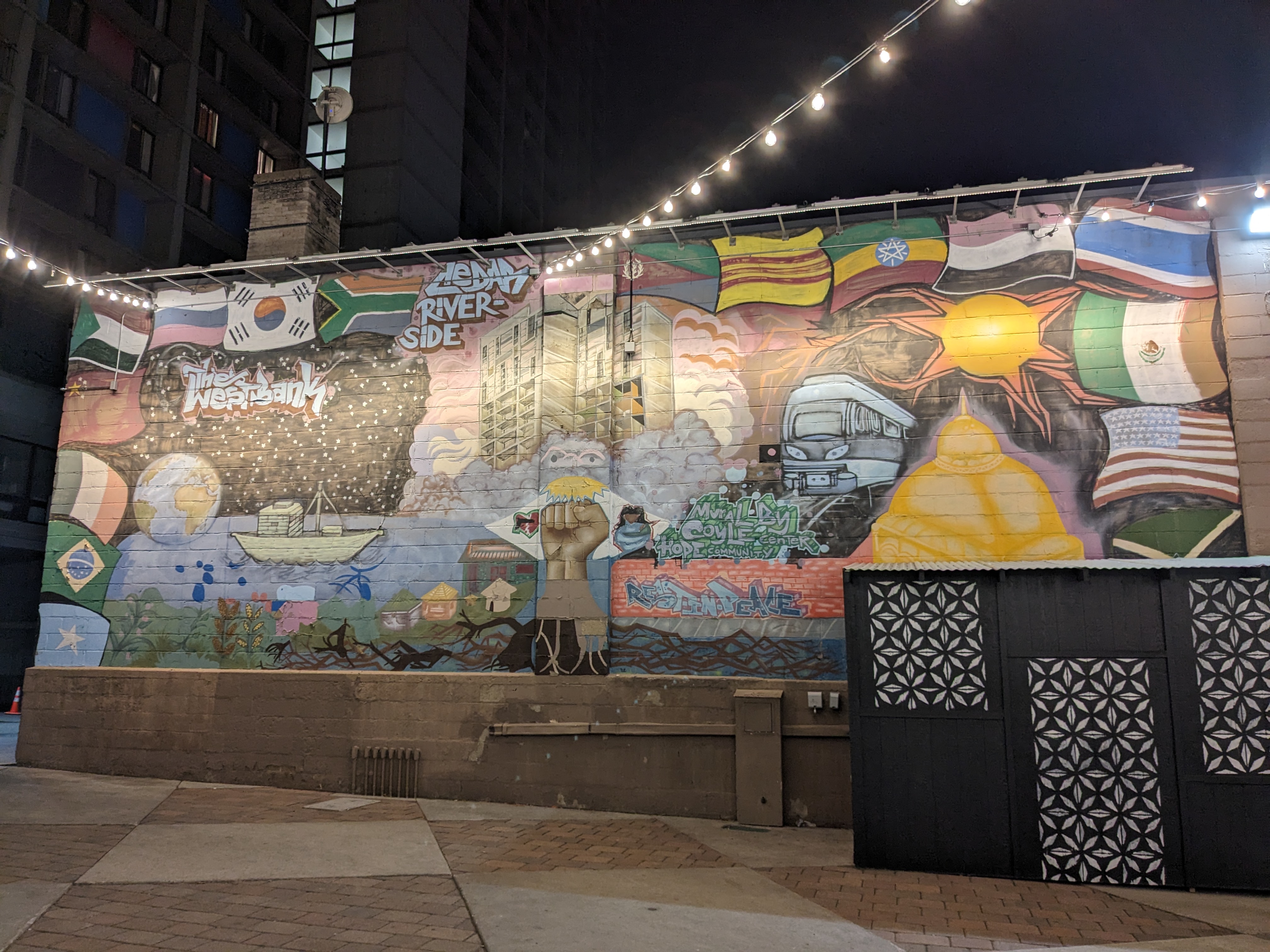
If you want to understand what Somalis built in Minneapolis, go to Cedar-Riverside. The neighborhood sits just south of downtown, cut off from the rest of the city by the Mississippi River on one side and Interstate 94 on the other. It's a kind of island, self-contained and self-sustaining — which is exactly why immigrants have always settled there.
In the 1890s, it was Scandinavians — so many that locals called it "Snoose Boulevard" after the chewing tobacco the Swedes favored. Today, 47% of residents speak Somali at home. The stores have Somali names. The restaurants serve suuqaar and canjeero. Three mosques share space with century-old bars. Everyone calls it "Little Mogadishu."
"I'm very proud of my neighborhood," says community activist Abdirizak Bihi. "We are a community that all of us — we know each other, we've got Somali businesses, East African restaurants, Asian restaurants, mainstream restaurants and coffee shops. We've got three mosques, one church. We've got bars — some of them are 100 years old."
For the 8,000 residents of Cedar-Riverside — and for Somalis across the Twin Cities — the neighborhood is more than a place to live. It's a symbol. "You get a sense of belonging," resident Mohamud Noor explains. "You don't feel as if you're an outsider. Everything that connects to the community happens here."
The Nation of Poets
Here's something Americans don't know about the people who've settled among them: Somalis are, by tradition, one of the most poetic cultures on Earth. The British explorer Richard Burton, visiting the region in the 1850s, called them a "nation of poets." The Canadian novelist Margaret Laurence repeated the phrase a century later. It stuck because it's true.
For most of Somalia's history, the language had no written form — the Latin script wasn't standardized until 1972. Everything important was preserved orally: history, law, genealogy, love, war, politics. And the highest form of oral expression was poetry, specifically a genre called "gabay" — complex compositions with rigid rules of meter and alliteration, memorized and recited across generations.
Through poetry, Somalis negotiated marriages, brokered peace treaties, insulted enemies, praised heroes, and preserved their collective memory. A skilled poet was more than an artist — he was a diplomat, a historian, a weapon. Clans kept poets the way European kings kept armies.
"A Somali poet is expected to defend his clan's rights in disputes, to defend their honor and prestige against the attacks of rival poets. Poetry is the highest expression of thought — used for everything from political debate to personal reflection."
— Said Sheikh Samatar, Somali Studies scholar
This tradition didn't die in the diaspora — it transformed. In Minneapolis, the Somali Museum organizes poetry events where elders teach gabay to American-born youth. Legendary poets like Said Salah Ahmed teach Somali language at the University of Minnesota with a focus on verse. A PBS documentary, "Somalia: A Nation of Poets," was filmed in the Twin Cities. The tradition that sustained Somalis for centuries now sustains them in Minnesota.
The Economy
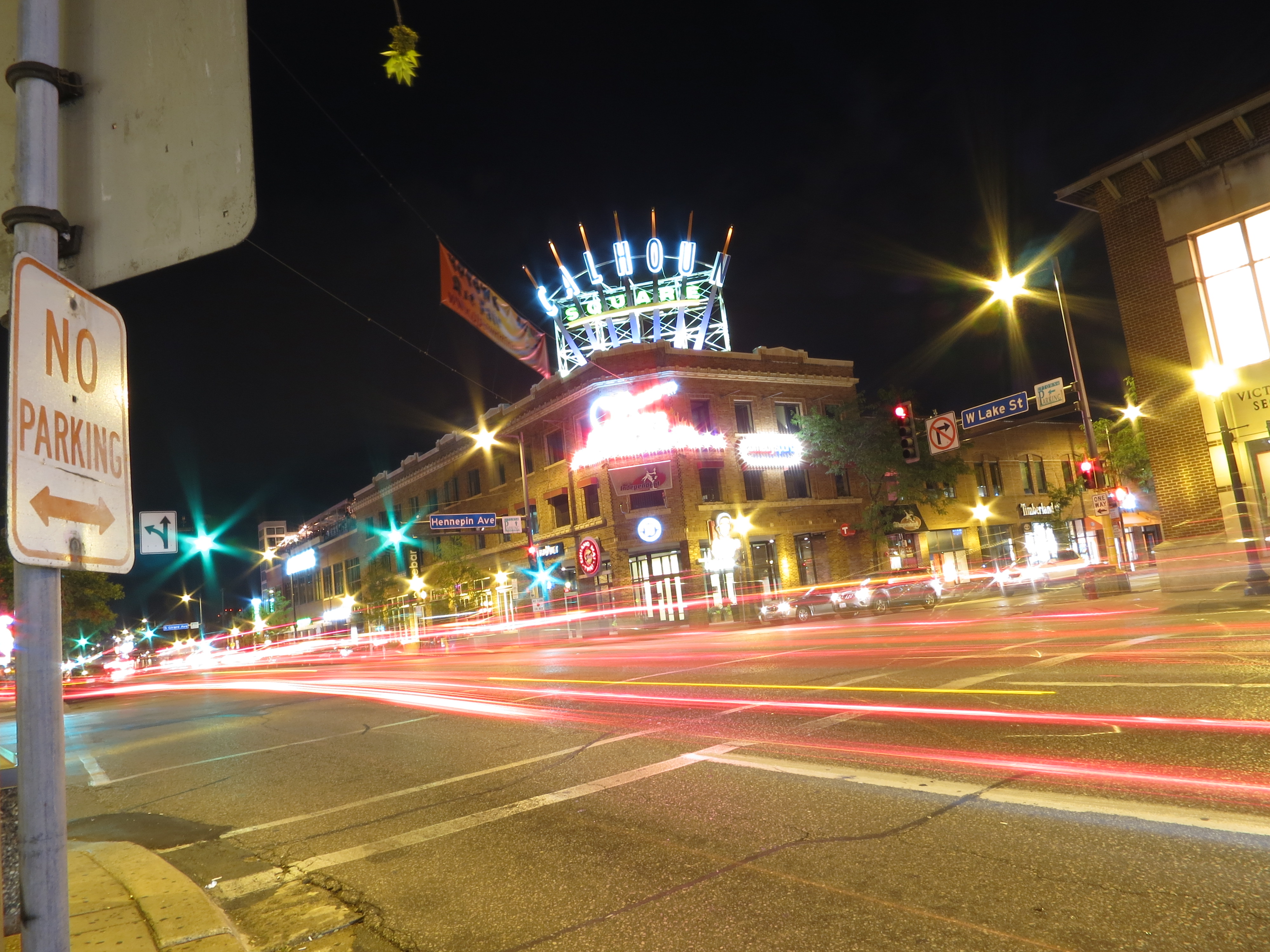
Walk down Lake Street in Minneapolis and you'll find Karmel Square — a massive Somali mall with 175 businesses. Clothing shops, henna salons, restaurants, a mosque, a daycare. All but 25 of those businesses are owned by women.
This is the economic engine of Somali Minneapolis. According to economist Bruce Corrie of Concordia University, Somali Minnesotans generate roughly $8 billion in economic impact statewide. They pay an estimated $67 million in state and local taxes annually. Poverty levels have dropped. Workforce participation has risen. Homeownership has increased.
The women entrepreneurs are particularly remarkable. Because Islamic law prohibits interest, Somali businesswomen often can't get traditional bank loans. Instead, they pool resources from family and community, start small, and grow organically. The result is an ecosystem of micro-enterprises — childcare centers, healthcare agencies, restaurants, consulting firms — that stabilize neighborhoods and circulate dollars locally.
Somali Success Stories
Afro Deli, started by Abdirahman Kahin in 2010, now caters to General Mills and Target. Hoyo ("mother" in Somali), a frozen sambusa company run by three sisters, supplies Lunds & Byerlys and the Minnesota State Fair. They produce 8,000 sambusas a day from a commercial kitchen on Lake Street.
The Map of the Diaspora
Minneapolis isn't the only American city with Somalis — but it dominates. The Twin Cities metro has roughly 84,000 Somali residents. Columbus, Ohio, is second with perhaps 60,000. Seattle comes third with maybe 15,000. San Diego has somewhere between 6,500 and 20,000, depending on who's counting.
The gap is significant. Minneapolis has more Somalis than the other three cities combined. It has more Somalis than most cities in Somalia. When Somalis anywhere in America need something — political representation, cultural institutions, a sense of community — they look to Minneapolis.
There's also a "second migration" happening. Some Somalis who originally settled in cold climates have moved to warmer cities — San Diego, Phoenix, Atlanta. Others have gone the other way, drawn to Minneapolis by its established community. The diaspora is still sorting itself out, still finding its shape. But Minneapolis remains the center of gravity.
The Refugee Who Went to Congress
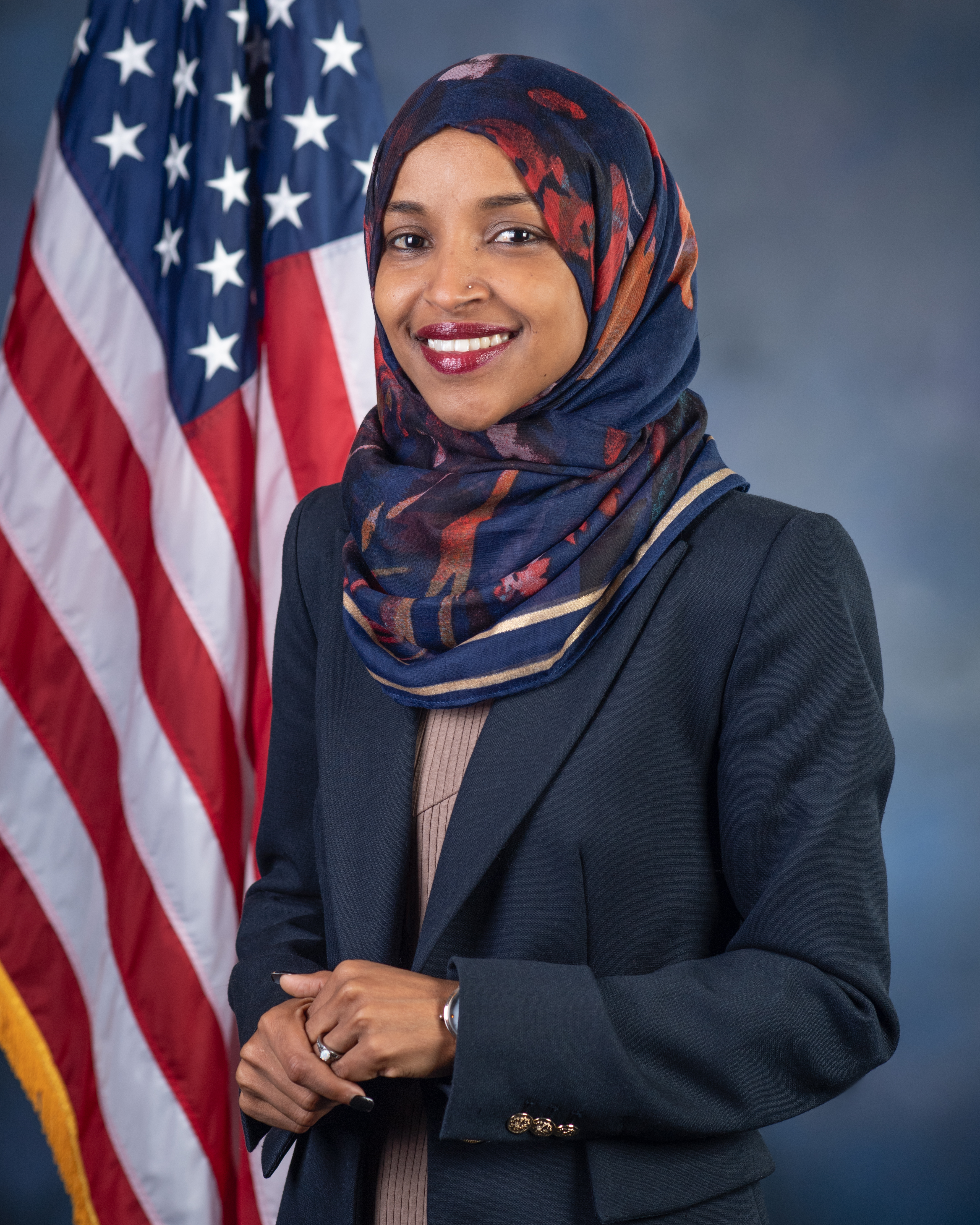
In 1995, a twelve-year-old girl arrived in New York City after four years in a Kenyan refugee camp. Her family eventually settled in Minneapolis, where her father drove a taxi and later worked for the post office. At fourteen, she started accompanying her grandfather to political caucuses, translating for him, learning how American democracy worked.
In 2018, Ilhan Omar was elected to Congress — the first African refugee ever to serve, the first woman of color to represent Minnesota, one of the first two Muslim women in the House. She represents Minnesota's 5th District, which includes Cedar-Riverside.
"I am the first woman of color to represent our state in Congress," she said in her victory speech. "The first woman to wear a hijab... The first refugee ever elected to Congress." The UN's Special Envoy for the Horn of Africa called it "a global victory for refugees."
Omar's rise reflects a broader political awakening. Hussein Samatar became the first Somali elected official in Minnesota in 2010, joining the Minneapolis school board. Abdi Warsame became the first Somali on the Minneapolis City Council in 2013. Today, Somalis serve in the state legislature, on city councils, on school boards across the state. The community that arrived as refugees is now helping govern its new home.
Winter
The first Minnesota winter is brutal. Refugees describe the shock of cold that hurts to breathe, of darkness that falls at 4 PM, of ice that makes walking treacherous. Resettlement agencies run classes on winter survival: how to layer clothing, how to recognize frostbite, how to walk on ice without falling. Somali women learn to wear multiple leggings beneath their traditional loose dresses. "Double socks," the instructors say. "In Africa, we don't have those thick socks, so they have to wear two or three of them."
But there's also wonder. Mohamud Noor remembers "a magical moment for a newcomer from Africa — opening his mouth to taste the first snowflakes he'd ever seen." Children who've never experienced anything but heat discover sledding, snowball fights, the strange joy of catching flakes on their tongues.
After a few years, the cold becomes normal. It becomes home. Somalis in Minnesota joke about newcomers who complain about the weather — "You should have been here in '96, that was a real winter." They've adopted not just the climate but the Minnesotan attitude toward it: resigned, ironic, quietly proud of surviving what others couldn't.
Thirty years ago, there were almost no Somalis in Minnesota. Today, there are more than 100,000 — in Cedar-Riverside, in the suburbs, in small towns across the state. They are healthcare workers and taxi drivers, entrepreneurs and legislators, poets and engineers. They've built mosques and malls and museums. They've transformed neighborhoods and economies and politics.
And they did it in a place where their language had no word for snow.
That's the story of Somali Minneapolis — not a tragedy, though tragedy brought them here, but a story of improbable adaptation. Of people who crossed half the world and found home in the cold. Of a "nation of poets" that found new subjects to sing about. Of chain migration and word-of-mouth and the stubborn human capacity to make a life anywhere, even in the least likely place.
There is still no word for snow in Somali. But there's a word for home. And for 100,000 people, that word now means Minnesota.
Exploring Little Mogadishu
Cedar-Riverside is accessible via the Blue Line light rail (Cedar-Riverside station). Karmel Square is at Lake Street and Pillsbury Avenue. The Somali Museum of Minnesota offers tours and cultural programming. For East African cuisine, try Hamdi Restaurant, Safari Restaurant, or the many options along Cedar Avenue. The Cedar Cultural Center hosts Somali music events and the Midnimo residency program.