Local favorites, neighborhood joints, and the places where locals actually eat. Skip the tourist traps.
Minneapolis punches absurdly above its weight. A James Beard-winning Indigenous restaurant. The birthplace of the Jucy Lucy. A Southeast Asian street food spot that just took home Best Chef: Midwest. Northeast's Eastern European delis. Eat Street's global sprawl. Forget the reservation-list places—these are the spots where the cooks actually eat.
Raleigh's food scene crept up on everyone. A decade ago, the Triangle was known for college-town chains and corporate steakhouses. Then the James Beard nominations started. Then the chefs who'd trained in New York and Charleston came home. Now downtown has tasting menus and the hot dog stand from 1940 that still won't let you have ketchup. But the real story is the immigrant-run spots in strip malls across Cary and Morrisville—some of the most authentic Korean, Indian, and Vietnamese food between Atlanta and D.C. The chains are still here. You just don't need them anymore.
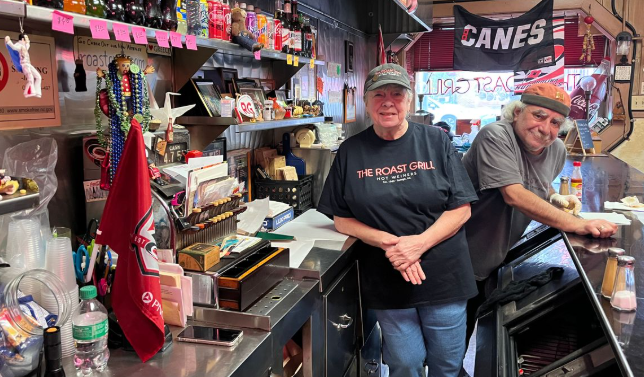
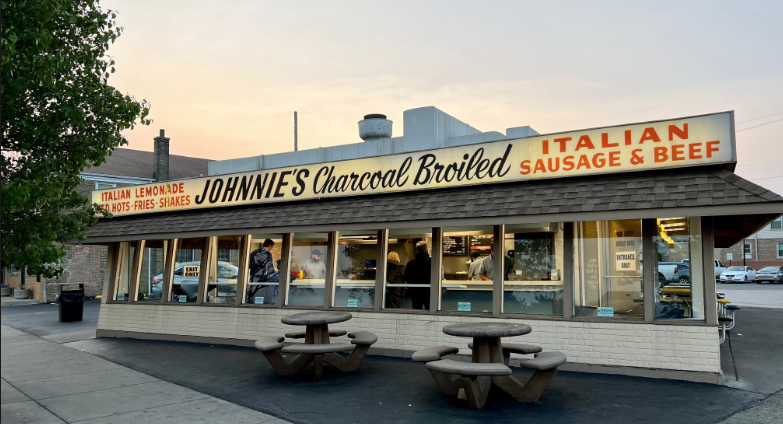
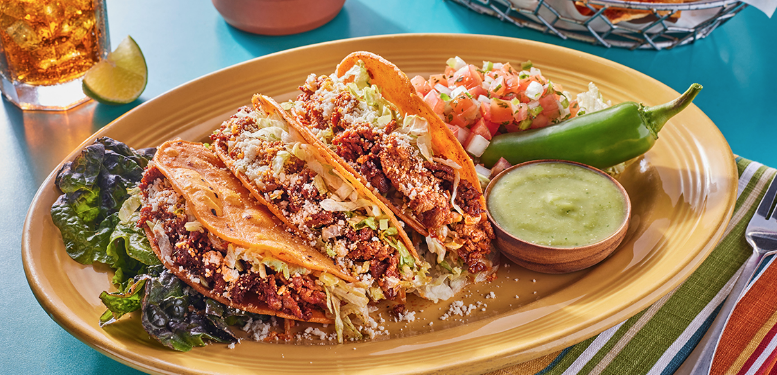
Chicago invented the celebrity chef before anyone called it that—Charlie Trotter was plating microgreens while New York was still doing cream sauces. Then came Alinea, then the Michelin stars, then the reservation apps. But the city's real food culture lives in the neighborhoods: the taquerias on 26th Street that outclass anything trendy, the Italian beef stands that don't need your Instagram, the Korean BBQ spots in the northern suburbs where the quality-to-pretension ratio is perfect. These are the places the cooks hit after their shifts end.
Salt Lake's food scene has transformed from potluck basics to genuine destination dining. James Beard nominations, immigrant-run kitchens bringing flavors from across the globe, and farm-to-table spots taking advantage of Utah's surprisingly good growing conditions. The funeral potatoes are still around—but now they're competing with real contenders.
Colorado Springs sits at the crossroads of contradictions: military bases and artist colonies, evangelical megachurches and bohemian cafes, conservative politics and a quietly thriving creative class that refuses to leave. The restaurant scene reflects these tensions in the best way possible—which is to say, everyone just eats good food and doesn't make it weird. You'll find VPN-certified Neapolitan pizza fired at 900°F downtown (yes, the certification is from Naples, yes, they take it seriously), eccentric soup shrines plastered with postcards in historic cottages where the vibe is "chaotic good," vegetarian-forward global cuisine in quirky Manitou Springs that shouldn't work but absolutely does, and old-school steakhouses where the martinis are properly stirred and the ribeyes are properly aged by people who know what they're doing. The dining culture here operates below the radar of national food media—no James Beard buzz, no reservation apps creating artificial scarcity, no influencers documenting their entrees—which means the restaurants that survive do so by actually feeding people well, not by courting hype or gaming Yelp. From cozy date-night spots to proper steakhouses, these are the places that make Colorado Springs more interesting than its reputation as "Colorado Springs: we have Focus on the Family!" suggests.
Dallas doesn't do food quietly. Everything is bigger, louder, and more ambitious—from legendary BBQ joints where people stand in line for two hours in 98-degree heat to tiny 40-seat Italian restaurants that quietly earned MICHELIN Bib Gourmand status while the steakhouses weren't paying attention. The restaurant scene here operates on Texas scale: massive beef ribs that require engineering degrees to eat, duck carnitas treated with fine-dining reverence, and family-run Italian delis that have been the soul of neighborhoods since the 1940s. MICHELIN arrived in 2024 and confirmed what locals already knew: Dallas has been cooking at a serious level for years, it just wasn't performing for coastal food media. You'll find James Beard nominees serving handmade pasta in Bishop Arts, soba masters in the Arts District, and BBQ operations smoking brisket for 18 hours over post oak like it's a religious obligation. From Deep Ellum tacos to North Dallas BBQ spots that only open three days a week, this is eating with conviction.
In Alaska, the seafood isn't a menu section—it's the entire point. Salmon pulled from waters you can see from downtown, halibut that was swimming yesterday, king crab that costs what it costs because it's actually fresh. Everything else has to be shipped in, but the fish is the best on Earth. These restaurants know how to honor it.
For decades, Fargo dining was a binary choice between "chain restaurant" and "church basement." That era is over. The current scene is a collision of James Beard-nominees, refugee-run kitchens, and farm-to-table spots that take the "farm" part literally because it's right there.
The Denver food scene has matured from "brewery food and green chile on everything" to legitimate destination dining that even coastal food snobs grudgingly respect. MICHELIN arrived in 2024 and handed out stars like they were surprised to find this level of cooking at altitude. You'll find James Beard Award-winning Israeli cuisine in a converted warehouse, kung pao pastrami that honors Denver's forgotten Chinatown, two-Michelin-star omakase focused on foraged Colorado ingredients, and steakhouses with wine rooms the size of most apartments. The city's best restaurants operate with a distinctly Denver philosophy: serious food without the pretension, quality ingredients without the lecture, and menus that reflect Colorado's agricultural reality rather than whatever's trending on the coasts. From street tacos born in a food truck called "Pinche Tacos" (the liquor board made them change it) to $195 tasting menus that'll make you reconsider what "seasonal" means, this is eating at altitude done right.
Tampa's food identity was forged in Ybor City's cigar factories, where Cuban, Spanish, and Italian immigrants created a cuisine that doesn't exist anywhere else. The Cuban sandwich was invented here—not Miami, whatever they claim—and the bakeries that supplied those factory workers still operate. But the city has grown beyond its roots. Bern's Steak House has been a national destination for six decades. The Oxford Exchange turned brunch into an event. Michelin arrived in 2024 and started handing out stars. Ybor still anchors everything, but the rest of the city caught up.
Sonoran Mexican is the native cuisine—flour tortillas, carne asada, green chile that means business. But Phoenix has grown into something more: James Beard-recognized chefs, immigrant-run restaurants that span the globe, and a late-night food scene that runs as hot as the summers. The city eats seriously now.
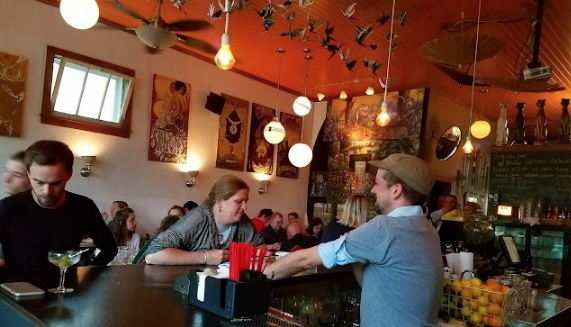
Portland built its food reputation on the premise that great restaurants didn't need white tablecloths or reservation apps. Pok Pok put Thai street food on the national map. Le Pigeon made offal hip. Cart pods proved that a $9 lunch from a converted trailer could change your life. The pandemic gutted the scene—Pok Pok closed, hundreds of carts vanished, downtown hollowed out. What survived got stronger. Yaowarat just made the Times' 50 Best list. Canard keeps winning Wine Spectator awards. The city still eats like it has something to prove.
Seattle's food scene has evolved far beyond salmon and coffee. The city's immigrant communities, from Vietnamese to Filipino to Ethiopian, have created one of the most diverse food landscapes on the West Coast. These are the restaurants that matter.