Deep Dives
Articles
Longform stories and essays exploring Minneapolis's history, culture, and untold stories.

Meeting of Waters
Flour mills, frozen rivers, and the particular satisfaction of surviving January
Read More
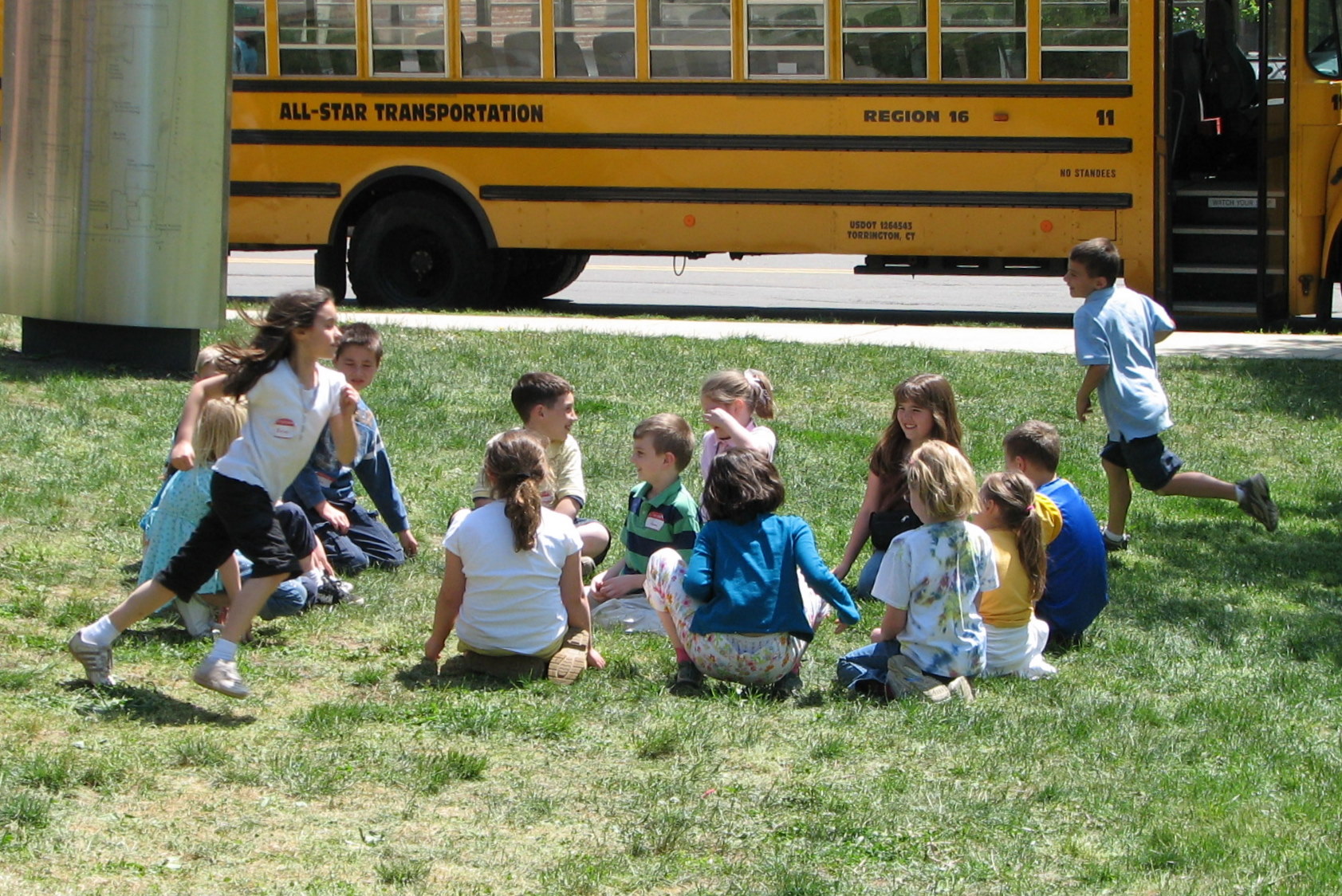
Duck Duck Grey Duck: Minnesota's Hill to Die On
Minnesota is the only place in America that plays "Duck Duck Grey Duck" instead of "Duck Duck Goose." The rest of the country thinks this is wrong. Minnesotans will fight you about it. Here's the surprisingly deep history behind the only regional children's game variant worth arguing about.
Read More

The Juicy Lucy: Minneapolis's Cheese-Stuffed Burger That Burns Your Mouth
The Juicy Lucy is a Minneapolis burger with the cheese inside the patty, not on top. When you bite in, molten cheese erupts and burns your mouth. Two bars claim to have invented it in the 1950s. Both are still serving them today. This is the story of how a spelling mistake became a Minneapolis institution.
Read More
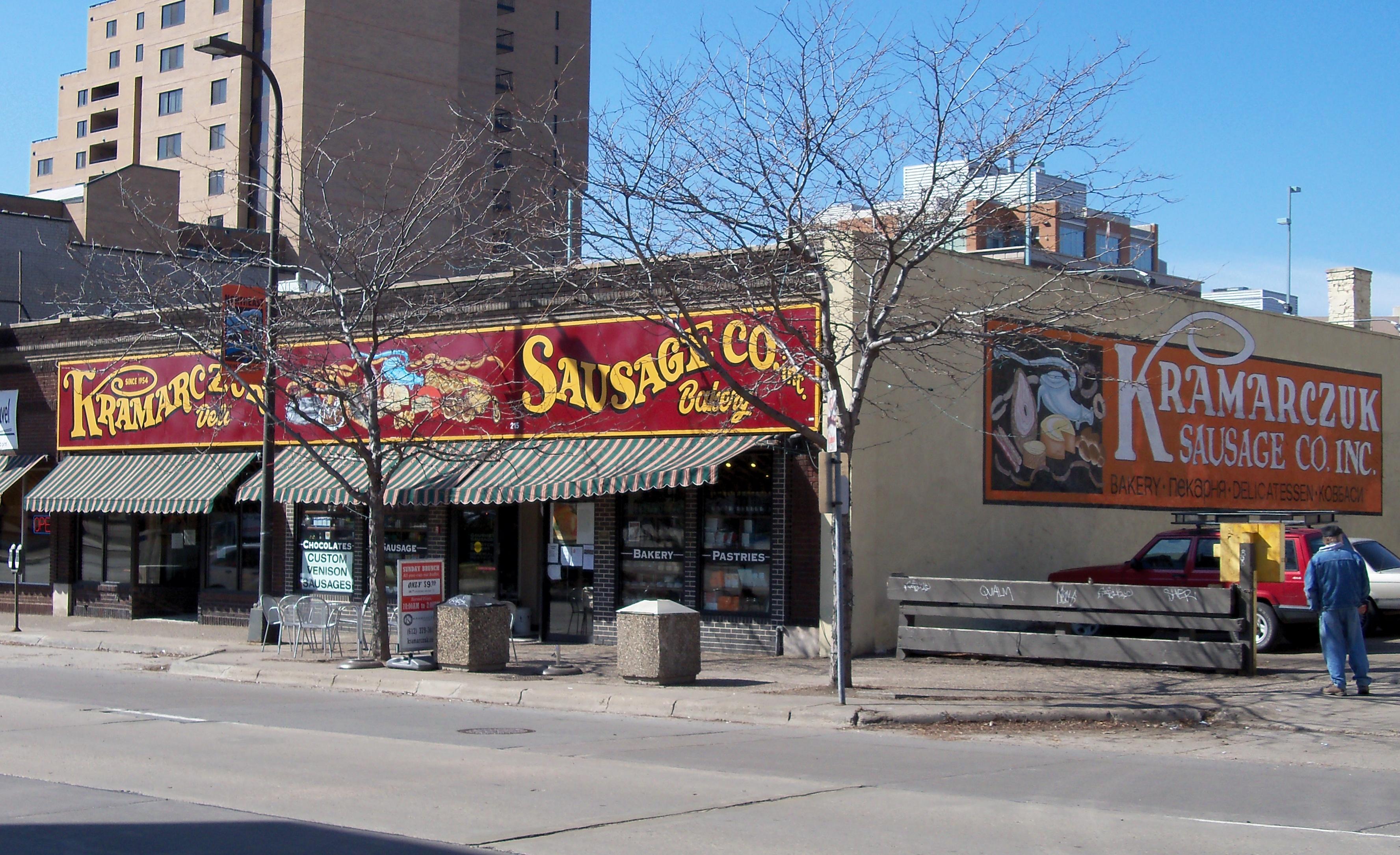
The 5 Best New Restaurants in Northeast Minneapolis
Northeast Minneapolis has always been the city's creative soul, and 2025 is proving it. These five new restaurants are redefining what it means to eat local.
Read More
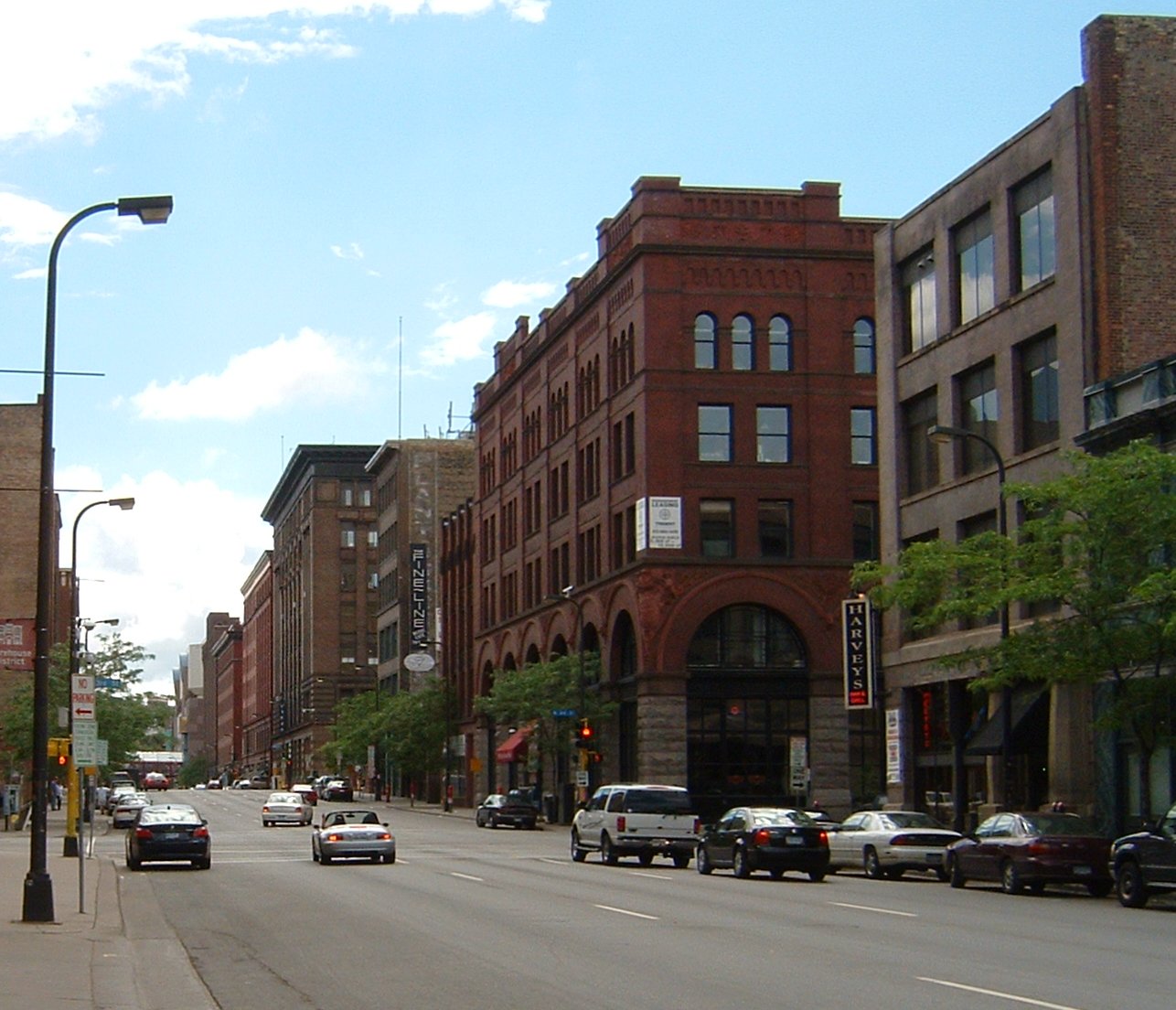
North Loop: Minneapolis's Warehouse District Turned Design Hub
A comprehensive guide to North Loop, from its flour mill past to today's design-forward restaurants and boutiques. Everything you need to know about one of Minneapolis's most transformed neighborhoods.
Read More

The 8 Best Brunch Spots in Minneapolis: Where to Eat Weekend Breakfast
We spent six months eating brunch across Minneapolis — pancakes, eggs benedict, avocado toast, and bottomless mimosas. These eight restaurants are the ones that got it right. The spots with excellent food, good coffee, and the kind of atmosphere that makes Sunday mornings worthwhile.
Read More
Sponsored Pick
Advertisements help support our content

How Minneapolis Demolished 40% of Downtown to Erase "Skid Row"
Between 1959 and 1963, Minneapolis razed the Gateway District — 40% of downtown, over 200 buildings, including the intersection where the city was literally born. The official goal: eliminate "Skid Row" and its 3,000 single male residents. The actual result: acres of parking lots and brutalist office towers. It was America's first federally funded urban renewal project, and Minneapolis spent the next 60 years regretting it.
Read More

Uptown Minneapolis: The Neighborhood That Used to Be Cool
Uptown was Minneapolis's cool neighborhood for 40 years — vintage shops, indie music venues, late-night diners. Then the rent rose, the chains moved in, and the character left. What remains is a neighborhood in transition, searching for what it used to be.
Read More

Minneapolis's Great Mill Disaster: When Flour Dust Exploded and Killed 18
The Washburn A Mill was the pride of Minneapolis — the world's largest flour mill, a seven-story industrial cathedral powered by St. Anthony Falls. On the evening of May 2, 1878, microscopic flour dust ignited like gunpowder. The explosion was heard ten miles away. Eighteen men died instantly. Five more mills exploded in the chain reaction. The disaster rewrote industrial safety regulations worldwide and turned Minneapolis into the cautious giant that rebuilt itself.
Read More
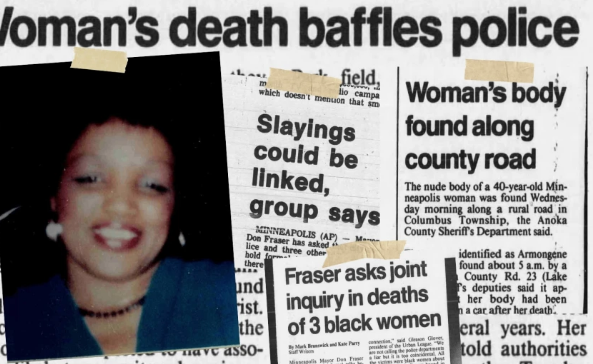
Murderapolis: When Minneapolis Had One of America's Highest Murder Rates
In 1995, Minneapolis recorded 97 homicides — a rate of 26 per 100,000 residents, higher than New York City. The crack epidemic, gang violence, and inadequate policing had transformed the "City of Lakes" into "Murderapolis." By 2001, the homicide rate had dropped to 11.2 per 100,000. The turnaround was real, but the scars remain.
Read More

Bohemian Flats: Minneapolis's Forgotten Immigrant Village Under a Bridge
From the 1870s to the 1930s, Bohemian Flats was a secret village at the bottom of Minneapolis — a thousand Slovaks, Czechs, Swedes, and Irish living in small houses along the Mississippi floodplain, climbing 79 creaking wooden stairs to work in the flour mills each morning. The city called it unsanitary. Residents called it home. Minneapolis demolished every last house for a coal terminal that never came. Today, the parkway where joggers run has no marker remembering the community that lived here.
Read More
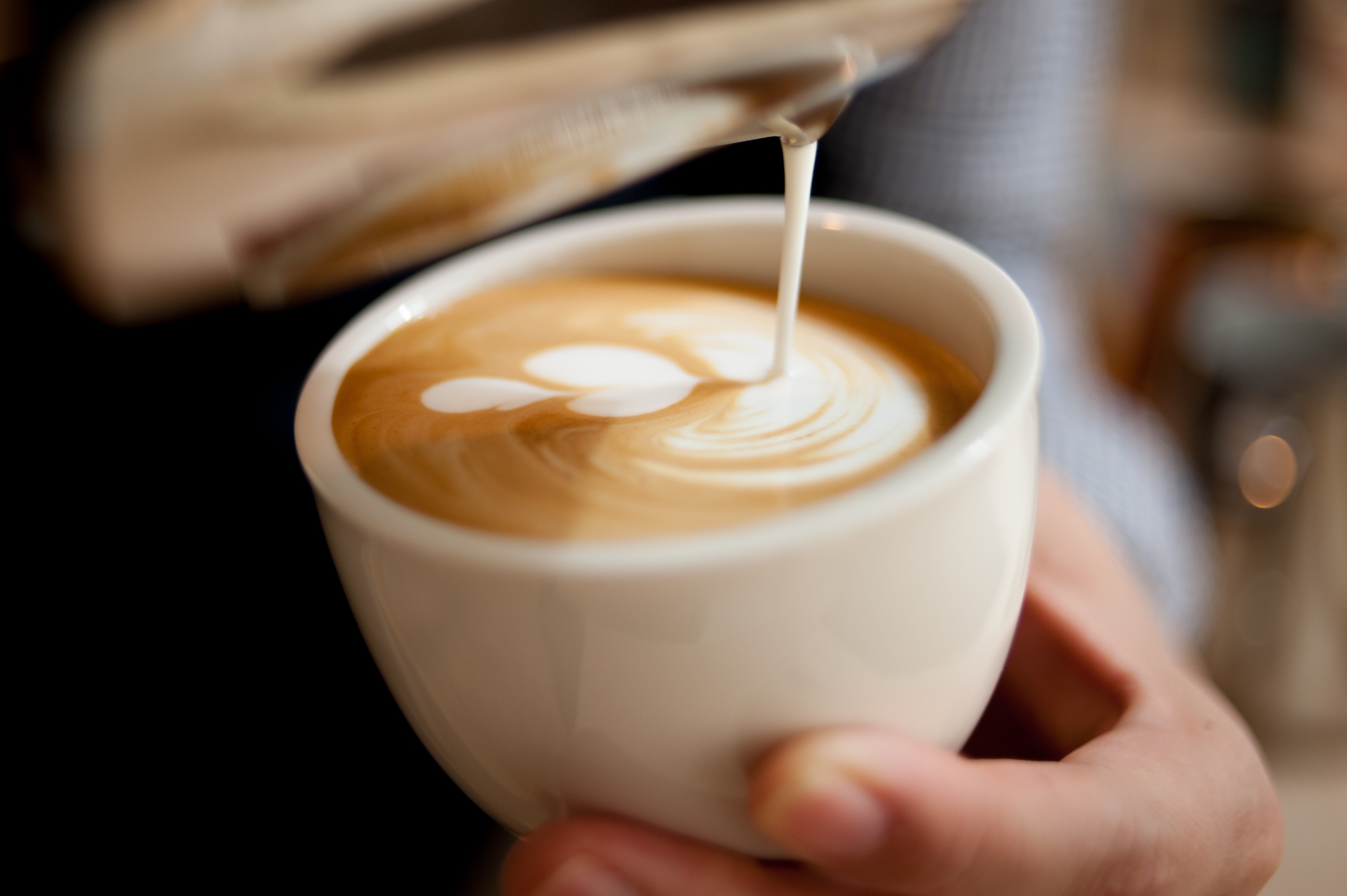
The 8 Best Coffee Shops in Minneapolis
We spent six months drinking coffee across Minneapolis. These eight shops stood out — the places with exceptional beans, thoughtful spaces, and the kind of attention to detail that makes coffee culture thrive.
Read More
Sponsored Pick
Advertisements help support our content

How Minneapolis Became the Somali Capital of America
They came from a country where the temperature rarely drops below 70°F to a state where it regularly hits -20°F in winter. They had no word for snow in Somali. Now Minneapolis is home to over 100,000 Somalis — the largest population outside of Africa — who transformed Cedar-Riverside into "Little Mogadishu," built an $8 billion economy, elected the first Somali-American to Congress, and made Minnesota the capital of the global Somali diaspora. This is the story of the most unlikely migration in American history.
Read More

The 15 Best Things to Do in Minneapolis: From Chain of Lakes to Stone Arch Bridge
Minneapolis is more than Minnesota Nice and cold winters. These 15 activities — from biking the Chain of Lakes to exploring the Minneapolis Sculpture Garden — are what make the city worth visiting and living in.
Read More

The 10 Best Bars in Minneapolis: From Dive Bars to Cocktail Lounges
We spent a year drinking across Minneapolis — dive bars, cocktail lounges, neighborhood taps, rooftop patios. These ten bars are the ones that got it right. The places with character, craft, and the kind of atmosphere that turns strangers into regulars.
Read More