Lost Raleigh
The Rathskeller, 42nd Street Oyster Bar, and the places where Raleigh used to gather
The Triangle grows fast, and growth has a price. These were the restaurants, bars, and venues that anchored Raleigh before the tech boom—places where NC State students became regulars and regulars became lifers. Some couldn't survive the pandemic. Some couldn't survive the rent. All shaped the city that replaced them.
1
The Rathskeller
1948–2020Hillsborough Street
The Story
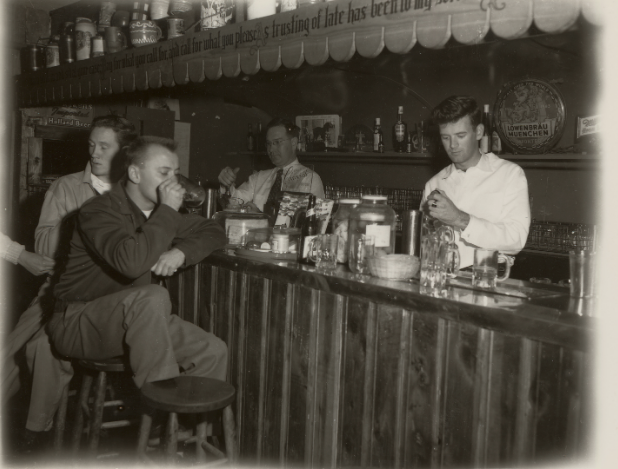
Every NC State student who ever mattered carved their name into The Rat's wooden booths. This basement bar and restaurant near campus was where you went after your first exam, your last breakup, and every Thursday in between. For 72 years, generations descended those stairs into the dim, beer-soaked heart of Wolfpack culture. The pandemic killed what fire codes never could.
Why It's Missed
Those carved names—your dad's next to yours. The basement atmosphere that felt like a secret even when packed. The undeniable proof that NC State had traditions that mattered. When The Rat closed, the university lost its living memory.
"The Rat was NC State's living room." — Technician
Last Known Address
2412 Hillsborough St, Raleigh2
Kings (Original Era)
1999–2020Downtown Raleigh
The Story
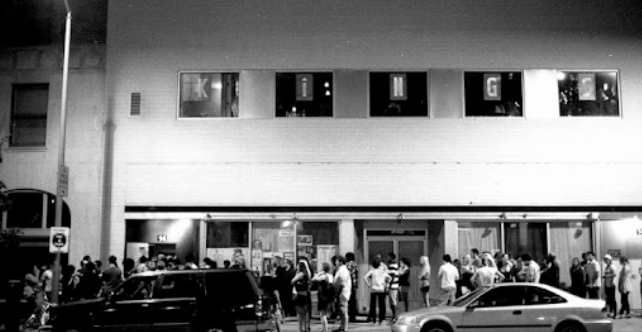
Founded in 1999 by touring musicians from Polvo and Ashley Stove, Kings was Raleigh's answer to the question nobody else was asking: what if a bar had Galaga, cheap PBR, live music, professional wrestling shows, and absolutely zero pretense? The original McDowell Street location drew national acts like Bonnie Prince Billy, The Shins, Ted Leo, Sharon Jones and the Dap Kings, and Mastodon before they were huge. When the landlord demolished that building in 2007, Kings wandered homeless until reopening on Martin Street in 2010. The pandemic shuttered it in 2020. (Note: Kings reopened in 2023 and is operating again — but the original era, when it felt like a secret, is what we're mourning here.)
Why It's Missed
You could be weird here. Trivia Mondays, movie nights, Gong Show competitions, and bands that would be headliners five years later playing to fifty people. Kings proved Raleigh's soul wasn't just research parks and parking decks. The new iteration is good, but the original era — when nobody knew what it was — is irreplaceable.
"Kings catered to music fans and musicians in a way that was entirely different." — Raleigh Magazine
Last Known Address
14 W Martin St, Raleigh3
42nd Street Oyster Bar
1931–2021Downtown Raleigh
The Story
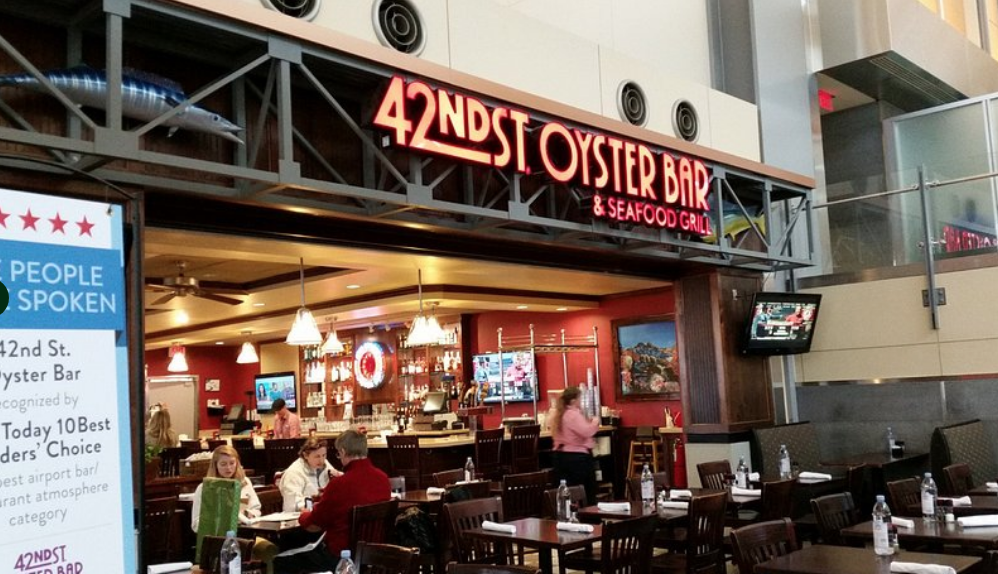
Ninety years of fried oysters, hush puppies, and vinyl booths that witnessed three generations of Raleigh celebrations. Your grandparents had their anniversary here. Your parents had graduation dinner here. You came here on Friday nights because that's what you did. The fish was always fresh, the vibe unchanging, the continuity absolute. The pandemic ended all of it.
Why It's Missed
The unbroken thread—great-grandparents to grandkids, all eating the same fried oysters. The radical idea that a downtown restaurant could just... last. When 42nd Street closed, Raleigh lost proof that anything predated the tech boom.
"42nd Street was where Raleigh families ate for three generations." — News & Observer
Last Known Address
508 W Jones St, RaleighSponsored Pick
Advertisements help support our content
4
Cup A Joe
1996–2019Hillsborough Street
The Story
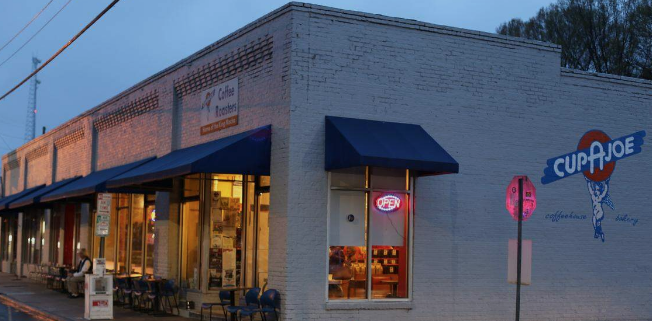
Mismatched furniture. Local art on the walls. Coffee that came without corporate apologies. For 23 years, this fiercely independent shop near NC State was the answer to every Starbucks, every chain, every sanitized version of community. Students studied here. Artists worked here. Neighbors actually talked to each other here. A lease non-renewal killed it in 2019.
Why It's Missed
The resistance. The insistence that coffee shops could be about people, not profit margins. The reminder that Raleigh once fought to stay local. Cup A Joe's death felt like surrender.
"Cup A Joe was where Raleigh went to feel local." — Technician
Last Known Address
3100 Hillsborough St, Raleigh5
Reader's Corner
1982–2015Raleigh
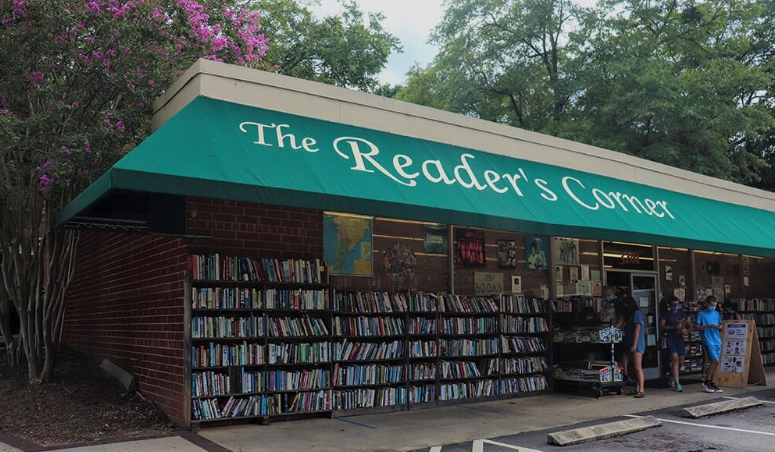
The Story
For 33 years, Reader's Corner fought the chains by being smarter, sharper, and more personal. The staff knew books. The author events mattered. Local writers got shelf space before they got famous. Then Amazon made caring about bookstores quaint, and in 2015, caring lost.
Why It's Missed
The handwritten recommendations. The author readings that felt like conversations. The proof that Raleigh valued literature as culture, not content. When Reader's Corner closed, the city lost its literary conscience.
"Reader's Corner was where Raleigh went to discover books." — Indy Week
Last Known Address
3201 Hillsborough St, Raleigh6
Volume 11 Tavern
2005–2016Maywood Avenue
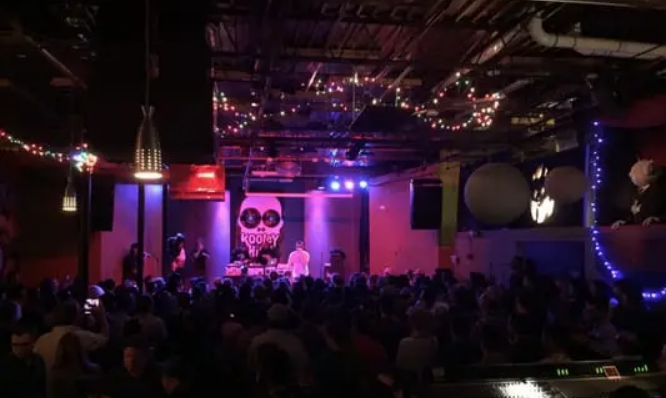
The Story
A strip mall venue on Maywood Avenue that hosted the heaviest music in the Triangle. Helmet played here. Obituary played here. Death Angel, The Misfits, and Corrosion of Conformity — who recorded their EP "Megalodon" in the attached studio. For over a decade, Volume 11 was where touring metal and punk bands stopped because word got out that Raleigh actually showed up for heavy music. All-ages shows meant high schoolers could see real bands. The pit was real. The sound was punishing. When it closed in 2016, citing audience apathy for heavy music, Raleigh lost its loudest room.
Why It's Missed
The all-ages shows that saved suburban kids from Top 40 purgatory. The commitment to music too heavy for polite company. The proof that national touring bands considered Raleigh a legitimate stop. The spirit lived on briefly as The Maywood, then Chapel of Bones — but Volume 11 was the original.
"Volume 11 was where Raleigh got loud." — Indy Week
Last Known Address
658 Maywood Ave, RaleighSponsored Pick
Advertisements help support our content
7
The Brewery
1983–2012Raleigh
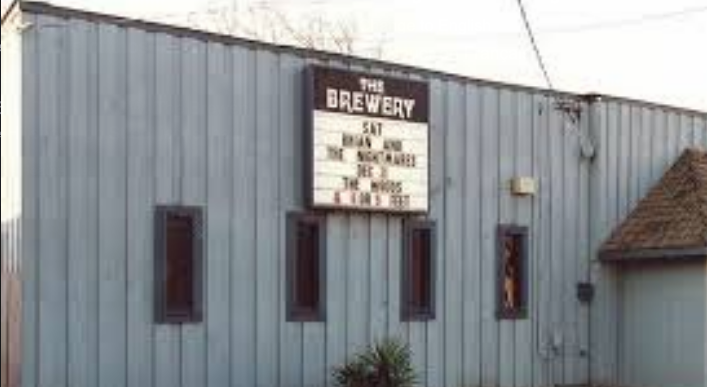
The Story
Ninety-nine beers on tap. Wings. Sports on TV. And a crowd so democratically mixed you'd find students, lawyers, and construction workers arguing about the same game. For 29 years, The Brewery was where Raleigh drank without pretense. When it closed in 2012, class divisions got a little clearer.
Why It's Missed
Everyone drank at the same bar. The surgeon next to the student next to the mechanic, all ordering wings and watching the Wolfpack lose. The Brewery was the great equalizer, and Raleigh hasn't replaced it.
"The Brewery was where Raleigh went to watch the game." — News & Observer
Last Known Address
3009 Hillsborough St, Raleigh8
Clyde Cooper's BBQ (original ownership)
1938–ongoingDowntown Raleigh
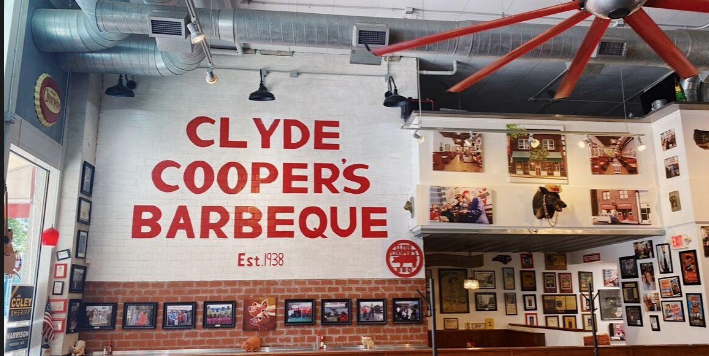
The Story
Clyde Cooper's still exists—same name, same location, same vinegar-based barbecue. But in 2013, after 75 years, the family sold it. The new owners kept the recipes and the sign, but ask anyone who remembers Clyde himself, and they'll tell you: it's not the same. It never is.
Why It's Missed
The recipes came from Clyde. The legacy was family. The barbecue tasted like continuity. Now it tastes like good barbecue made by people who bought a brand. That's not the same thing, even if you can't explain why.
"Clyde Cooper's used to be ours. Now it's a brand." — News & Observer
Last Known Address
109 E Davie St, RaleighStay curious
New stories and hidden gems delivered to your inbox.
No spam. Unsubscribe anytime.
Explore More
Discover more curated guides and local favorites.
Raleigh's Best Bars
Dive bars, cocktail lounges, and neighborhood favorites
Explore
Raleigh's Best Coffee Shops
Local roasters, cozy cafes, and third wave spots
Explore
Raleigh's Best Restaurants
From fine dining to hidden gems and local favorites
Explore
Raleigh's Dark History
Unsolved mysteries and darker chapters
Explore
Raleigh's Curiosities
Fascinating facts and surprising stories
Explore
Raleigh's Hidden Gems
Secret spots and local treasures
Explore
Raleigh's Lost Raleigh
Beloved places we miss
Explore
Seattle Best Bars
Dive bars, cocktail lounges, and neighborhood favorites
Explore
Know something we missed? Have a correction?
We'd love to hear from you