Lost Portland
Satyricon, Old Wives' Tales, and the places where Portland was genuinely strange
Keep Portland Weird was always about the people, not the slogan. These were the venues, cafes, and dives where weirdness was earned—places that didn't need a brand because they were too busy being themselves. Rising rents and changing times closed the doors. The weird that replaced them is different.
1
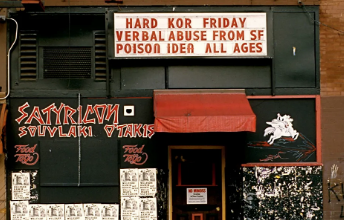
Satyricon
1984–2010Old Town
The Story
The punk club where Nirvana played their first Portland show for 50 people, where Courtney Love slung drinks before Hole, and where the floor stayed sticky for 26 years on principle. The walls wore decades of band stickers like armor. When it closed in 2010, Portland lost proof it ever had an edge.
Why It's Missed
The Nirvana show that nobody knew mattered yet, the sticker-wallpapered chaos, and the commitment to volume over profit. Satyricon chose punk every single time.
"Satyricon was where Portland got loud and stayed loud." — The Oregonian
Last Known Address
125 NW 6th Ave, Portland2
Old Wives' Tales
1979–2016Southeast Portland
The Story
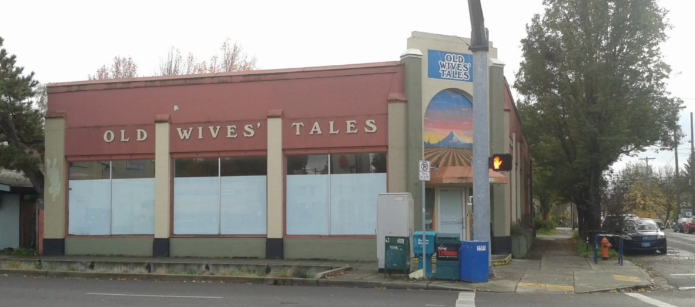
The vegetarian restaurant with a kids' play area that doubled as childcare, community bulletin boards plastered with activist flyers, and a vibe that preserved 1970s Portland in amber. For 37 years, this was where Southeast Portland families ate tempeh scrambles while their toddlers played and their manifestos photocopied. When it closed in 2016, Portland lost its progressive past tense.
Why It's Missed
The play area that let parents finish a meal, the sense that community mattered more than branding, and the radical idea that affordability was a feature, not a bug. Old Wives' Tales was Portland before Portland got expensive and embarrassed about it.
"Old Wives' Tales was where Portland raised its kids." — Portland Mercury
Last Known Address
1300 E Burnside St, Portland3
Berbati's Pan
1985–2010Old Town
The Story
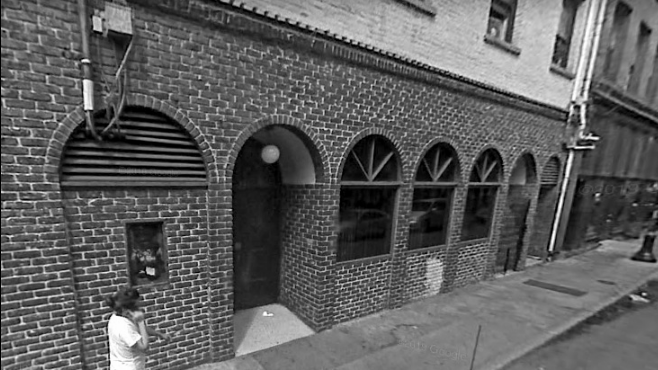
The Greek restaurant that moonlighted as a music venue where Nirvana, Elliott Smith, and The Shins played before fame found them. For 25 years, Berbati's was the room where Portland's indie bands proved themselves on a stage flanked by Mediterranean murals. When it closed in 2010, Portland lost the place that said yes when nobody else would.
Why It's Missed
The 200-person intimacy that made every show feel like a secret, the Greek food that anchored the space in immigrant ambition, and the knowledge that Portland once mattered enough to break bands. Berbati's was proof the city had taste before algorithms did.
"Berbati's was where Portland bands became Portland bands." — Willamette Week
Last Known Address
231 SW Ankeny St, PortlandSponsored Pick
Advertisements help support our content
4
Pied Cow Coffeehouse
1994–2020Southeast Portland
The Story
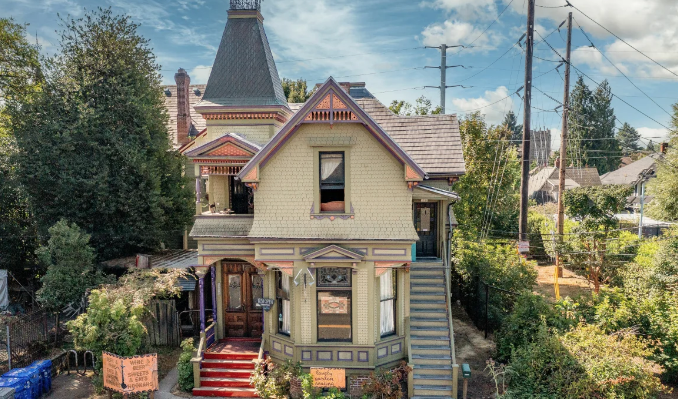
The Victorian house that became a hookah lounge that became a time machine. Mismatched furniture, garden patio, and a pace that made three hours feel like twenty minutes. For 26 years, Pied Cow was where Portland remembered that lingering was a virtue, not a vice. The pandemic ended the spell.
Why It's Missed
The backyard Eden with strings of lights, the hookahs that made conversation feel ceremonial, and the radical notion that Portland didn't have to hustle. Pied Cow was permission to slow down.
"Pied Cow was where Portland went to escape time." — Willamette Week
Last Known Address
3244 SE Belmont St, Portland5
Reading Frenzy
1994–2012Downtown Portland

The Story
The zine shop and independent press outpost that sold self-stapled manifestos, political pamphlets still warm from the copier, and art books you'd never see at Powell's. For 18 years, Reading Frenzy was the nerve center of Portland's DIY publishing underground—the place that proved you didn't need a press, just a Xerox machine and something to say.
Why It's Missed
The zines with print runs of 50, the artists hawking their own work at the counter, and the democracy of it all—any voice with 75 cents for photocopies could publish. Reading Frenzy was Portland's conscience before the algorithm killed the underground.
"Reading Frenzy was where Portland's weirdos published." — Willamette Week
Last Known Address
921 SW Oak St, Portland6
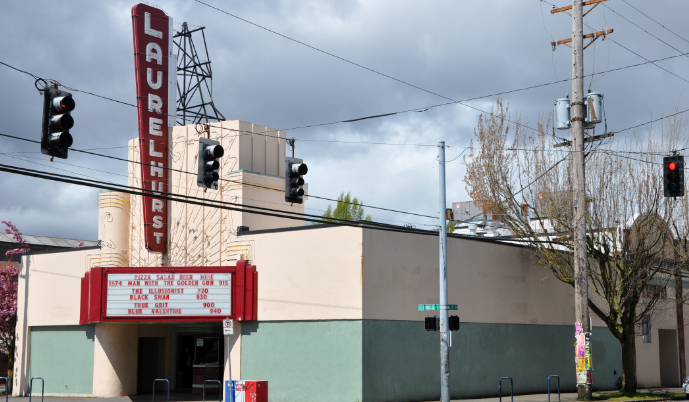
Laurelhurst Theater (original ownership)
1923–2020Southeast Portland
The Story
The neighborhood movie palace where second-run films cost $4, pizza arrived mid-movie, and beer flowed from the lobby. For nearly a century, Laurelhurst was Southeast Portland's living room—the place where you watched Pulp Fiction for the third time on a screen that mattered. The original owners sold in 2020. The theater survives, but locals swear the magic left with the deed.
Why It's Missed
The $4 ticket that made cinema democratic, the pizza-and-beer ritual that made moviegoing communal, and the certainty that Portland valued neighborhood institutions over corporate chains. The original Laurelhurst trusted you to bring a beer into the dark.
"Laurelhurst was where Portland went to the movies." — Portland Mercury
Last Known Address
2735 E Burnside St, PortlandSponsored Pick
Advertisements help support our content
7
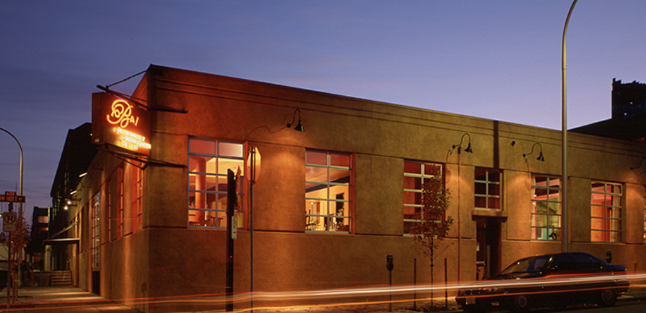
Oba Restaurant
2000s–2015Pearl District
The Story
The bright and convivial Nuevo Latino restaurant that brought bold flavors and warmth to the Pearl District before the neighborhood decided everything had to be minimalist. Oba served ceviche, empanadas, and rum-forward cocktails in a space that felt like a celebration—vibrant colors, communal energy, and the kind of hospitality that made you stay for another round. When it closed, Portland lost a reminder that sophistication doesn't have to whisper.
Why It's Missed
The Latin American flavors that felt authentic without being precious, the bar scene that stayed lively without turning bro-y, and the proof that the Pearl District once had room for color and joy. Oba was festive before the neighborhood forgot how to party.
"Oba brought life to the Pearl District." — Yelp reviewers
Last Known Address
555 NW 12th Ave, PortlandStay curious
New stories and hidden gems delivered to your inbox.
No spam. Unsubscribe anytime.
Explore More
Discover more curated guides and local favorites.
Portland's Best Bars
Dive bars, cocktail lounges, and neighborhood favorites
Explore
Portland's Best Restaurants
From fine dining to hidden gems and local favorites
Explore
Portland's Best Coffee Shops
Local roasters, cozy cafes, and third wave spots
Explore
Portland's Dark History
Unsolved mysteries and darker chapters
Explore
Portland's Curiosities
Fascinating facts and surprising stories
Explore
Portland's Hidden Gems
Secret spots and local treasures
Explore
Portland's Lost Portland
Beloved places we miss
Explore
Fargo Best Bars
Dive bars, cocktail lounges, and neighborhood favorites
Explore
Know something we missed? Have a correction?
We'd love to hear from you