Lost Minneapolis
Nye's Polonaise, Gluek's, and the legendary spots that shaped Minneapolis nights
Every city loses places. Minneapolis loses pieces of its soul. These were the bars where regulars became family, the restaurants where first dates turned into anniversaries, and the venues where the music mattered. The buildings are gone or repurposed, but the stories live in everyone who was there.
1
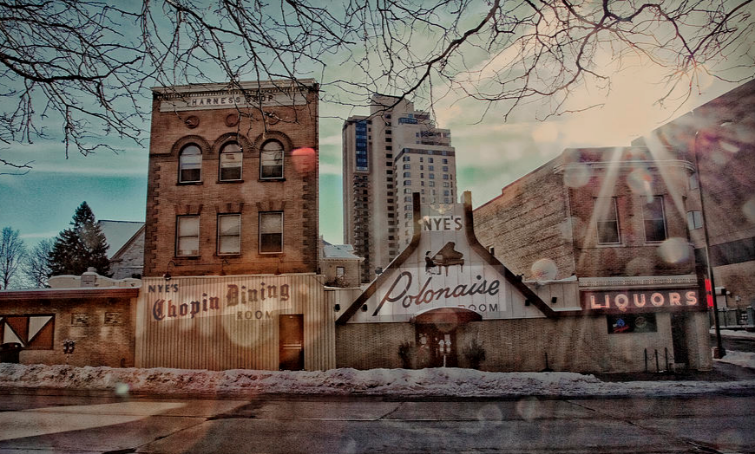
Nye's Polonaise Room
1950–2016Northeast
The Story
The legendary Northeast supper club with its polka bar, piano lounge sing-alongs, and World's Most Dangerous Polka Band. For 66 years, Nye's was where generations celebrated weddings, proposals, and Friday nights. Esquire named it the best bar in America in 2006.
Why It's Missed
Ruth Adams at the piano for 22 years, playing every song ever written from memory while strangers harmonized around your red Naugahyde booth. The World's Most Dangerous Polka Band packing the floor with people who'd never polka'd before and never would again. The smell of old carpet and spilled beer and something your grandparents would recognize. When Esquire crowned it America's best bar in 2006, regulars feared gentrification. It didn't come. When the doors finally closed in 2016, the line for last call wrapped around the block. Grown adults wept openly. The new development uses the Nye's name, but the piano is silent, the polka extinct, and whatever alchemy made 66 years of magic cannot be conjured by developers. Some things only happen once.
"Nothing will ever replace that feeling of walking into Nye's on a Saturday night." — Star Tribune reader
2
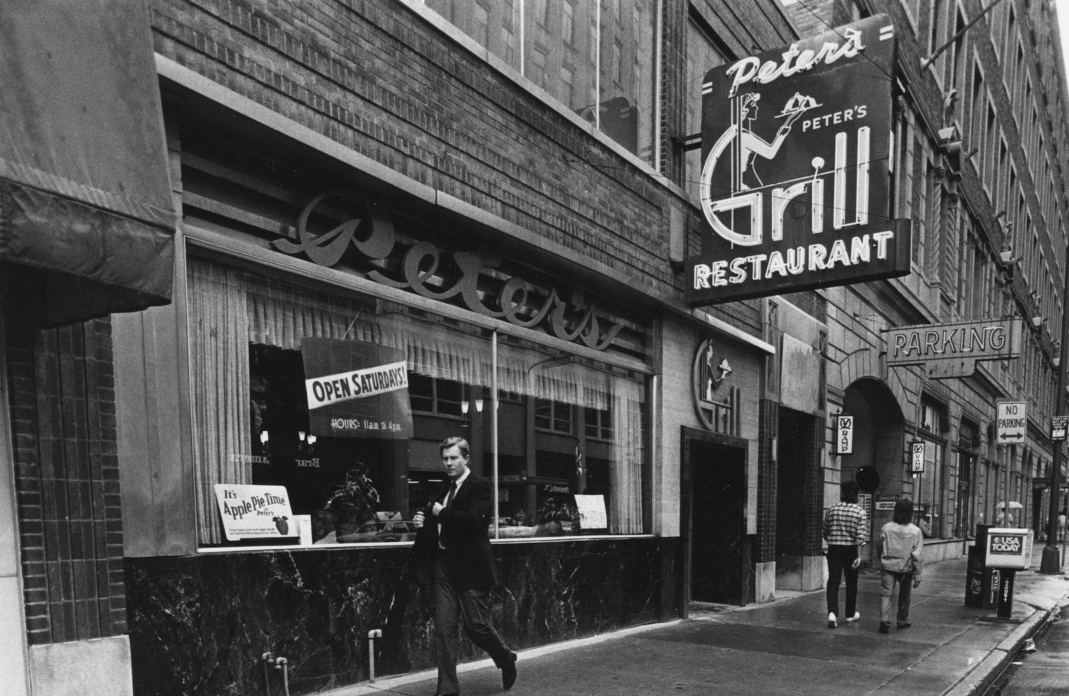
Peter's Grill
1914–2013Downtown
The Story
Downtown Minneapolis's last lunch counter, serving bankers, lawyers, and shop clerks from the same chrome stools for 99 years straight. Two Greek immigrant brothers started it as a fruit stand in 1914. President Clinton ordered a bacon-and-egg sandwich at the counter in 1995.
Why It's Missed
That green apple pie—tangy, unforgettable, made the same way since 1914. The gruff, lightning-fast service from waitresses who'd been there longer than most customers had been alive. Being the last tether to a downtown that fed working people, not just expense accounts. When Peter's closed in 2013, downtown lost its last piece of democratic dining—the last place where a janitor and a CEO sat shoulder-to-shoulder over coffee and pie.
"When Peter's closed, downtown lost its last bit of old Minneapolis." — Star Tribune
3
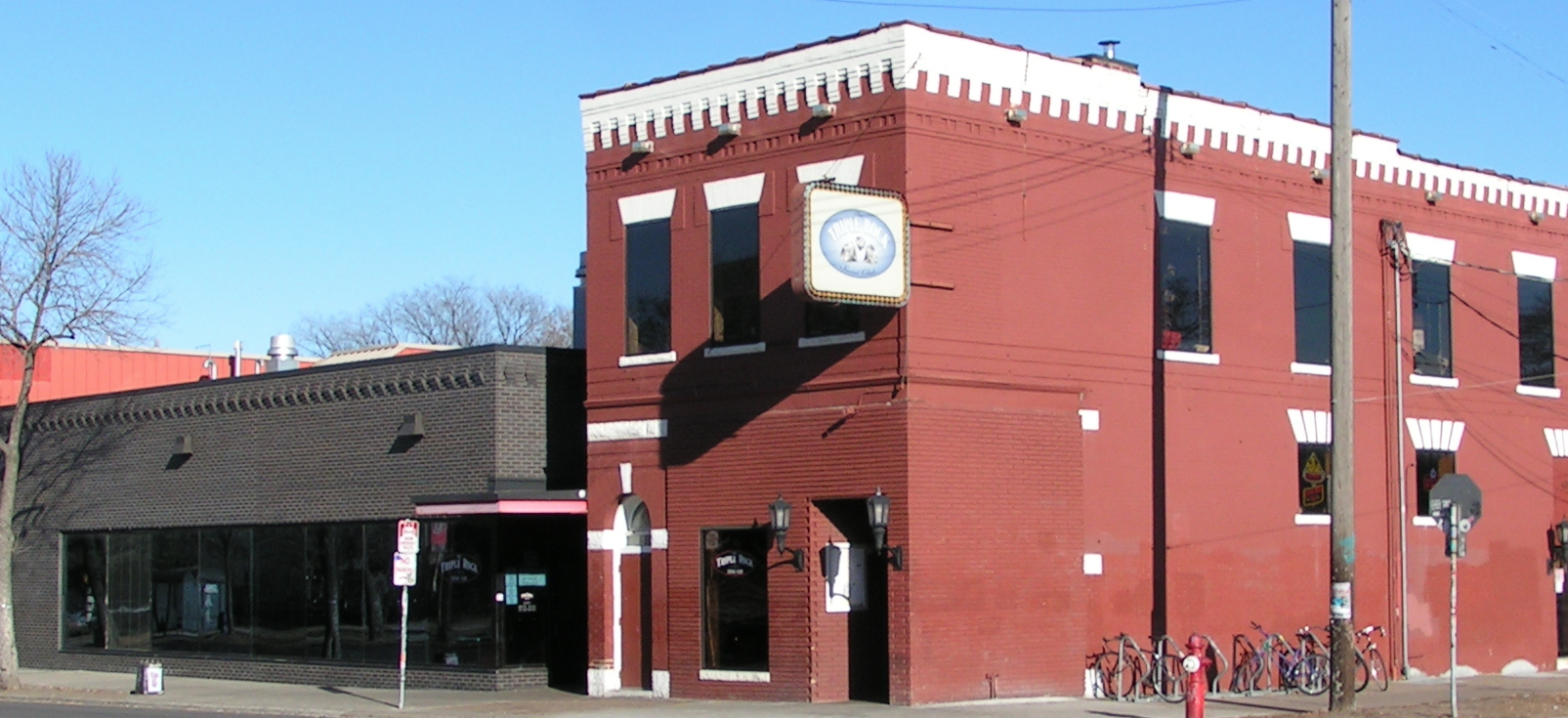
Triple Rock Social Club
1998–2017Cedar-Riverside
The Story
Erik Funk of Dillinger Four opened this punk haven with a simple philosophy: treat touring musicians fairly, book bands you believe in, build community. For 19 years, it worked. NOFX immortalized it in "Seeing Double at the Triple Rock." Scenes were made here.
Why It's Missed
The intimacy—you could feel the sweat dripping off the bassist. The ethics—touring bands got fair guarantees and free meals when bigger venues were taking 30% cuts. The electricity of knowing you were part of something that mattered just by showing up. When Triple Rock closed in 2017, Minneapolis punk didn't just lose a venue. It lost its living room.
"It wasn't just a venue — it was the living room of Minneapolis punk." — Vice
Sponsored Pick
Advertisements help support our content
4
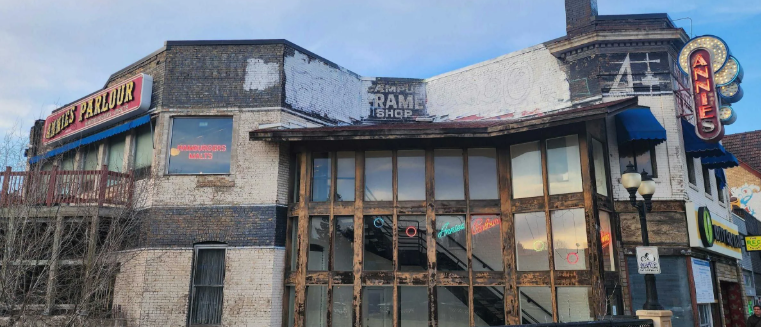
Annie's Parlour
1974–2025Dinkytown
The Story
Fifty-one years of thick single patties, hand-cut fries, and malts in metal cups with extra left in the tin. Three generations of University of Minnesota students marked time here—first dates, study breaks, post-bar hangover cures. It survived COVID, reopened in 2024, then closed permanently in 2025.
Why It's Missed
Those malts—so thick you needed two hands and fifteen minutes. The ritual of splitting a basket of fries across a worn Formica booth while campus buzzed outside. The certainty that some things—like Annie's being open—would never change. Except they did.
"We simply are going to lose more money being open than being closed. It's unfortunate, but it's the hard facts." — Owner
5
Palmer's Bar
1906–2025Cedar-Riverside
The Story
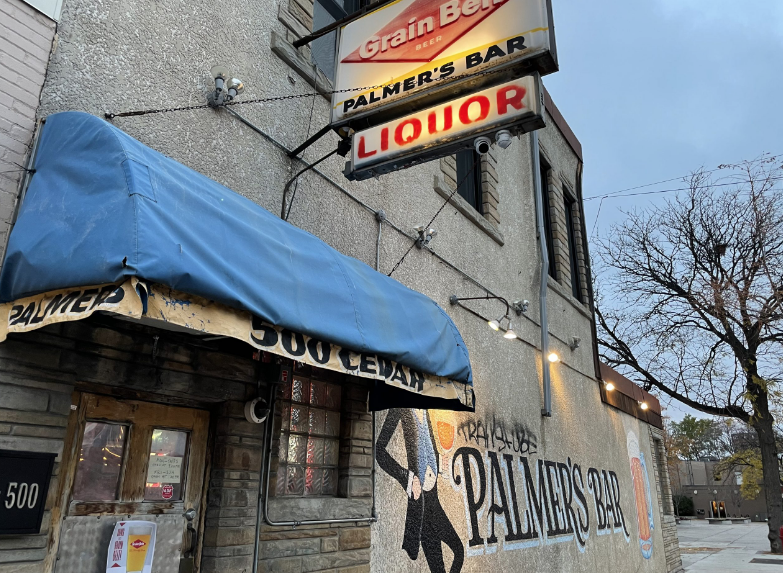
A 119-year-old dive where Esquire found one of America's best bars hiding in plain sight. Cramped, weird, wonderful. Spider John Koerner played blues here. The West Bank's battered counterculture exhaled here. Then the money ran out and foot traffic dried up.
Why It's Missed
The grit. The music spilling out onto Cedar Avenue at midnight. The knowledge that in an increasingly algorithmic city, Palmer's remained defiantly analog—a place where artists could still afford rent and a beer. When Palmer's closed in 2025, Cedar-Riverside lost the last bar that remembered what the West Bank used to be.
"Palmer's was the last place on the West Bank that felt like the old West Bank." — Racket
6
Figlio
1984–2009Uptown
The Story
The corner of Lake and Hennepin was Figlio's domain for 25 years. Wood-fired pizza, fried calamari, and dining past midnight when Minneapolis barely had brunch. Metropolitan Home called it one of America's Top 10 Bistros. Uptown called it home.
Why It's Missed
The 3am energy—the certainty that Uptown was alive and dangerous and yours. The floor-to-ceiling windows watching the chaos outside. The feeling that cities were supposed to work this way: always open, always full, always feeding people. Parasole's Phil Roberts eventually admitted what everyone knew: "Closing Figlio was the biggest mistake I ever made."
"Figlio was Uptown. When it closed, Uptown started to die." — Mpls.St.Paul Magazine
Sponsored Pick
Advertisements help support our content
7
Revival
2015–2025South Minneapolis
The Story
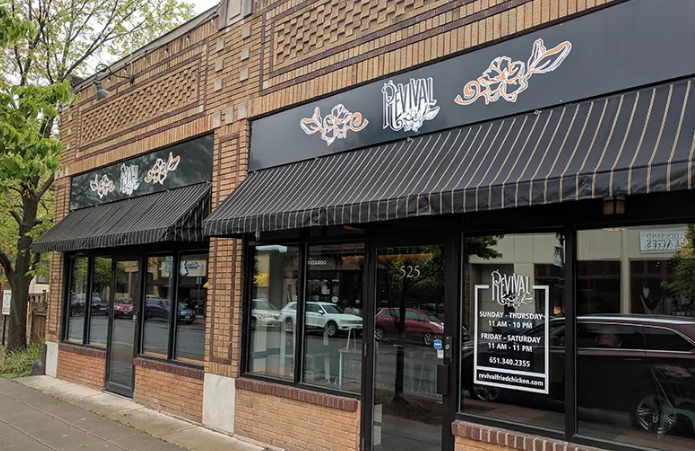
Thomas Boemer's Southern fried chicken temple earned four consecutive James Beard semifinalist nominations. That crispy, brined, perfect chicken became a Minneapolis obsession. Locations multiplied across the metro. Then in January 2025, the costs caught up with the acclaim.
Why It's Missed
That chicken—crackling crust giving way to impossibly juicy meat. The biscuits that shattered when you pulled them apart. Mac and cheese that understood what comfort meant. Food that proved you could elevate Southern cooking without stripping its soul. When Revival closed, Minneapolis lost proof that fine dining didn't require white tablecloths.
"It was a combination of rapidly increasing costs with rapidly decreasing revenue." — Thomas Boemer
8
Lucia's
1985–2017Uptown
The Story
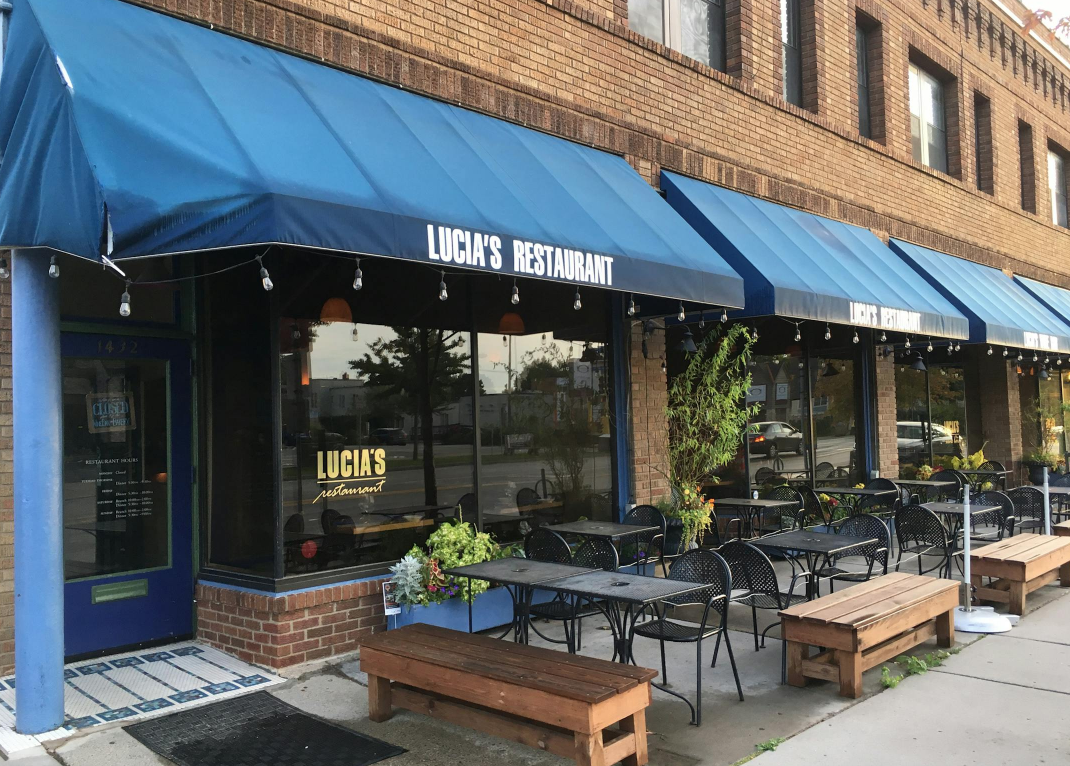
Lucia Watson turned a hardware store into a 36-seat cathedral of seasonal cooking. Three James Beard nominations followed. For 32 years, Lucia's demonstrated that fine dining could be intimate, principled, and genuinely connected to the land.
Why It's Missed
Menus that changed with Minnesota seasons because that's how food actually works. The quiet elegance—no flash, just ingredients treated with reverence. Knowing your vegetables came from farmers Lucia knew by name. In an era of food as performance, Lucia's was food as ethics. When it closed in 2017, Minneapolis lost its most uncompromising voice for what farm-to-table truly meant.
"Lucia's taught Minneapolis what farm-to-table really meant." — Mpls.St.Paul Magazine
9
Psycho Suzi's Motor Lounge
2003–2023Northeast
The Story
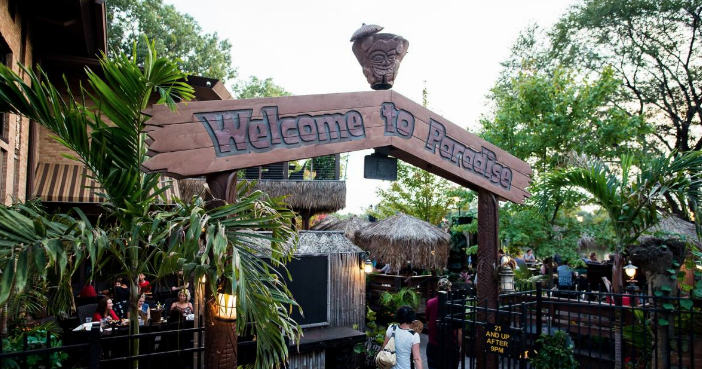
A 15,000-square-foot tiki fantasy on the Mississippi River. Christmas lights blazed year-round. Potent tropical drinks flowed. A riverfront patio transformed a former A&W into a national pilgrimage site for tiki obsessives.
Why It's Missed
The audacity of creating a tropical paradise in Minnesota. The over-the-top tiki decor that refused irony. The six-month Christmas party that turned brutal winters into something worth celebrating. For 20 years, Psycho Suzi's was the only place in Minneapolis where you could completely forget you were in Minneapolis.
"It was the only place in Minneapolis where you could pretend you weren't in Minneapolis." — City Pages
Sponsored Pick
Advertisements help support our content
10
Birchwood Cafe
1994–2021Seward
The Story
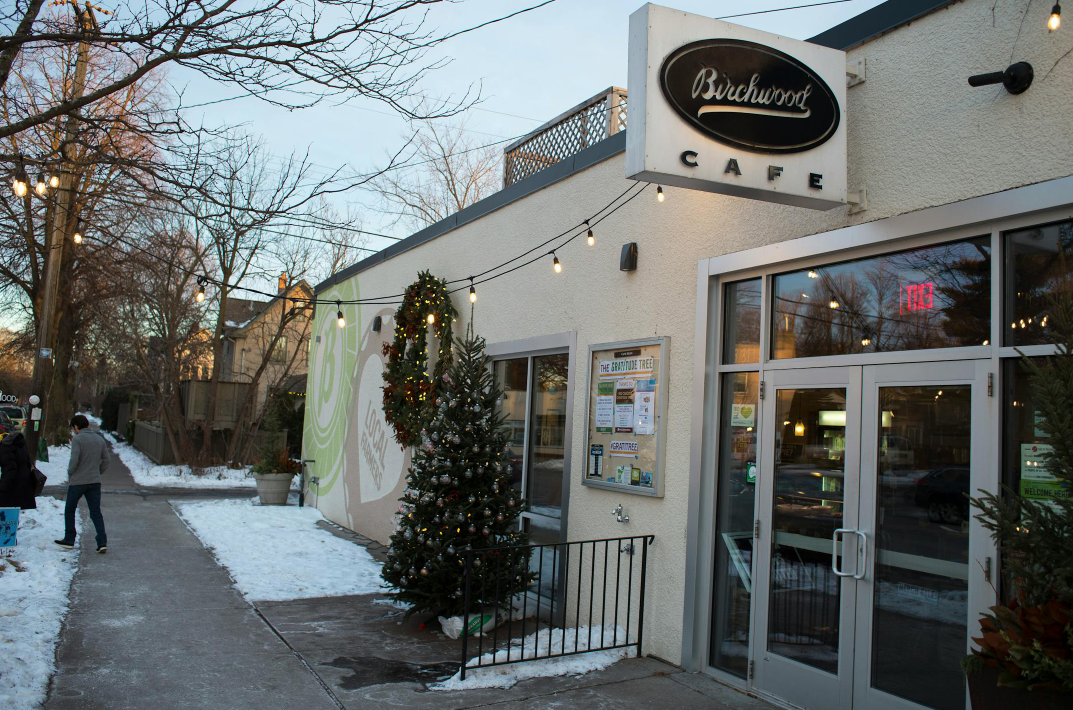
The Seward neighborhood's farm-to-table pioneer championed local ingredients a decade before it became trendy. For 27 years, those savory waffles and the absolute commitment to sourcing ethically made the Birchwood more than a restaurant—it was a manifesto.
Why It's Missed
Food that tasted like someone gave a damn where it came from. The neighborhood-living-room atmosphere where regulars lingered for hours. A restaurant that proved values and flavor weren't competing interests. When the Birchwood closed in 2021, Seward lost its gathering place and its conscience simultaneously.
"The Birchwood wasn't just a restaurant — it was a philosophy." — Heavy Table
11
Galactic Pizza
2004–2024Uptown
The Story
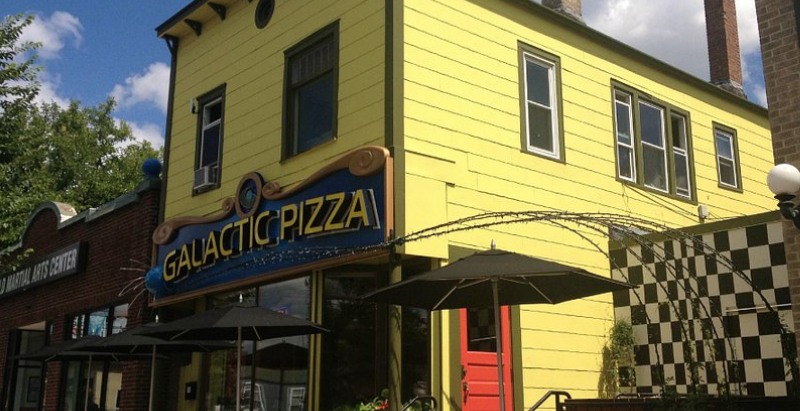
The planet-saving pizzeria with superhero delivery drivers piloting electric cars. That yellow Uptown facade became a landmark. Seasonal ingredients, hormone-free cheese, popular vegan options—pizza with a conscience.
Why It's Missed
The commitment to doing everything differently. Drivers in full superhero costumes delivering on electric power before Tesla made it cool. Pizza that proved fast food could have values without sacrificing flavor. The abrupt 2024 closure caught even employees off guard—they found out an hour before the public.
"We found out an hour before you guys did." — Former employee on the abrupt closure
12
Town Talk Diner
1946–2020Longfellow
The Story
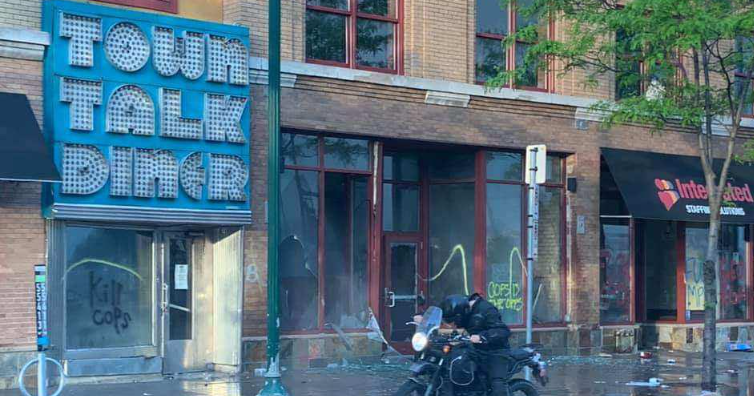
A Streamline Moderne masterpiece on East Lake Street, built for returning WWII soldiers in 1946. That narrow, window-filled space served creative meatloaf and elevated mac and cheese until civil unrest in 2020. Guy Fieri featured it on Diners, Drive-Ins and Dives.
Why It's Missed
The architecture—sleek 1940s curves and chrome that transported diners to postwar optimism. Comfort food executed with care, not nostalgia. A physical connection to the Minneapolis that built things to last, to endure, to matter. When Town Talk went dark in 2020, the city lost a designated landmark and a living link to its greatest generation.
"A Streamline Moderne landmark that connected us to 1940s Minneapolis." — Minneapolis Preservation
Sponsored Pick
Advertisements help support our content
13
Cafe Brenda
1986–2009Warehouse District
The Story
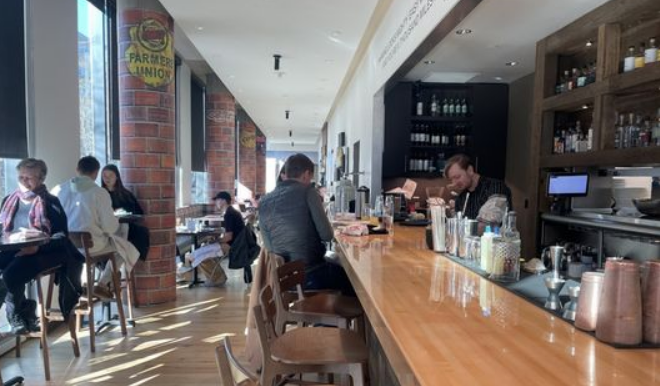
Brenda Langton's vegetarian-forward sanctuary arrived in the Warehouse District when the neighborhood still had soul. For 23 years, she served upscale plant-based cuisine in a serene, window-filled space—proving vegetables could be the main event decades before it was fashionable.
Why It's Missed
A chef who believed in what she was cooking long before Instagram made it profitable. That serene dining room flooded with natural light. Brenda's lament when she closed in 2009 said everything: "Back then, the Warehouse District was really cool. But those days are done." She was right. The sports bars came. The authenticity left.
"Back then, the Warehouse District was really cool. But those days are done." — Brenda Langton
14
Old Log Theater
1940–2024Excelsior
The Story
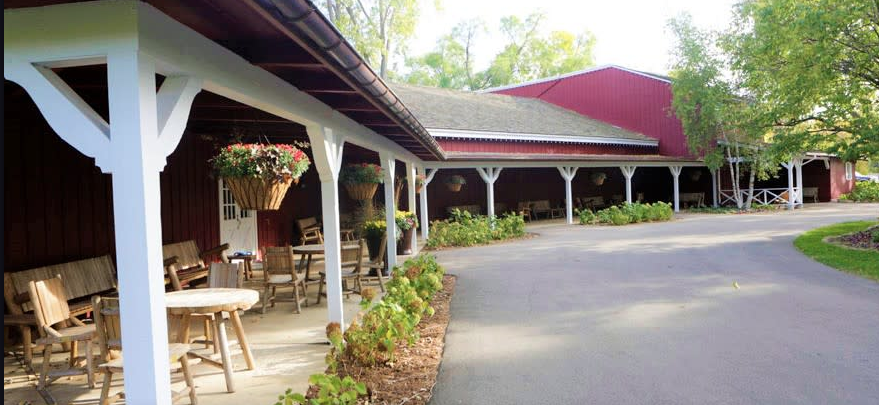
America's longest-running professional theater operated continuously for 84 years. Built to resemble a rustic log cabin, the Old Log survived the Great Depression, World War II, and television's rise by staying faithful to live performance. Countless actors launched careers here before Broadway and Hollywood came calling.
Why It's Missed
The intimate log cabin atmosphere that made every show feel like a private performance. Eighty-four years of unbroken theatrical tradition. A connection to an era when live theater was suburban entertainment's beating heart, not a luxury. When the Old Log went dark in 2024, America lost its oldest continuously operating professional theater and Minnesota lost a pillar of cultural memory.
"For 84 years, it was where generations came for their first theater experience." — Local theater community
Last Known Address
5175 Meadville St, Excelsior, MNSources
Stay curious
New stories and hidden gems delivered to your inbox.
No spam. Unsubscribe anytime.
Explore More
Discover more curated guides and local favorites.
Minneapolis's Best Bars
Dive bars, cocktail lounges, and neighborhood favorites
Explore

Minneapolis's Best Coffee Shops
Local roasters, cozy cafes, and third wave spots
Explore
Minneapolis's Best Restaurants
From fine dining to hidden gems and local favorites
Explore
Minneapolis's Dark History
Unsolved mysteries and darker chapters
Explore
Minneapolis's Curiosities
Fascinating facts and surprising stories
Explore
Minneapolis's Hidden Minneapolis
Secret spots and local treasures
Explore
Minneapolis's Lost Minneapolis
Beloved places we miss
Explore
Raleigh Best Bars
Dive bars, cocktail lounges, and neighborhood favorites
Explore
Know something we missed? Have a correction?
We'd love to hear from you