Deep Dives
Articles
Longform stories and essays exploring Fargo's history, culture, and untold stories.

On the Bed of a Vanished Lake
Forty below, biblical floods, and the stubborn midwestern insistence that this is a good place to live
Read More

When Fargo Was America's Divorce Capital: The 10-Minute Marriage Exit
Before Vegas weddings, there were Fargo divorces. In the late 1800s, Dakota Territory had the most lenient divorce laws in America — so lenient you could step off the train, file papers, and be legally single before lunch. Fargo became internationally famous as the place where bad marriages went to die. One local judge granted 350 divorces in a single year. Europeans crossed the Atlantic for North Dakota divorces. The "divorce mill" ran for two decades until scandalized reformers finally shut it down.
Read More
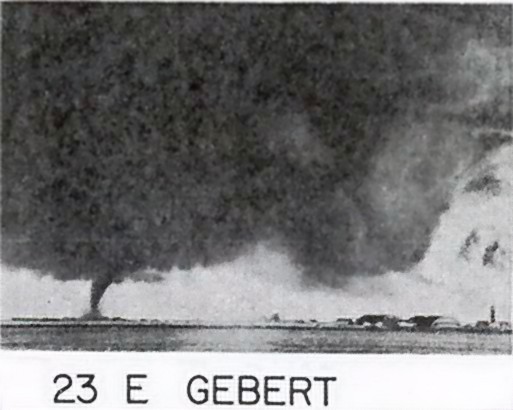
The Tornado That Taught Us Everything
The 1957 Fargo tornado killed 13 people and destroyed over 1,300 homes. But its greatest impact was scientific. A young meteorologist named Ted Fujita spent weeks studying the devastation, analyzing 200 photographs frame by frame. His groundbreaking research introduced terms like "wall cloud" and "tail cloud" to meteorology. It eventually led to the Fujita Scale — the F1-to-F5 system we still use today. Modern tornado science was born in Fargo's rubble.
Read More

On the Bed of a Vanished Sea
That perfectly flat horizon in Fargo? It's the silted floor of glacial Lake Agassiz, which covered 110,000 square miles 10,000 years ago — larger than all five Great Lakes combined. When the ice dam broke, it drained catastrophically. The flatness isn't boring. It's the aftermath of an ancient apocalypse.
Read More
The Graves Beneath the Festival
Trollwood Park hosts Fargo's beloved summer arts festival. It used to be the Cass County Poor Farm — a facility for the destitute, the elderly, and the mentally ill. When residents died without money or family, the county buried them on-site in unmarked graves. Over 350 bodies have been found. River erosion keeps revealing more. The park where families picnic is also a mass grave for the people Fargo forgot.
Read More