Lost Chicago
Hot Doug's, The Uptown Theatre, and the places that made Chicago feel like Chicago
Chicago is a city that demolishes its history with the same enthusiasm it once built it. These were the restaurants, bars, and theaters that defined neighborhoods—places where everyone knew your order and the walls absorbed decades of stories. The city changes fast. Memory is all that keeps some doors open.
1
Hot Doug's
2001–2014Avondale
The Story
The self-proclaimed "Sausage Superstore and Encased Meat Emporium" where Doug Sohn elevated the Chicago hot dog into performance art. Hour-long lines for duck fat fries and celebrity sausages with names like "The Joe Strummer" and "Elvis Presley, The King." Anthony Bourdain called it one of the 13 places to eat before you die. Doug shut it down at peak popularity because he was tired — the most Chicago exit imaginable.
Why It's Missed
The foie gras and Sauternes duck sausage that cost $15 and was worth every penny. The duck fat fries available only Friday and Saturday. Doug behind the counter slinging puns while the line stretched around the block. It proved you could take hot dogs deadly seriously while refusing to take yourself seriously at all.
"There are no two ways about it: Hot Doug's was the best hot dog restaurant in America." — Anthony Bourdain
Last Known Address
3324 N California Ave, Chicago2
The Uptown Theatre
1925–1981Uptown
The Story
The "palace of the people" with 4,381 seats, a Wurlitzer organ that rose from the orchestra pit, and Spanish baroque architecture so excessive it makes modern luxury look boring. After hosting vaudeville, silent films, and rock concerts for 56 years, it closed in 1981. The building still stands — shuttered, crumbling, and haunting Broadway like a gorgeous ghost. Every few years someone promises to restore it. The chandelier still hangs in the dark.
Why It's Missed
The staggering grandeur of an era when a movie palace could look like a cathedral. The architectural crime of letting something that ornate decay for 45 years. The fading promise that one day, somehow, it will blaze back to life.
"The Uptown Theatre is Chicago's most beautiful abandoned building." — Forgotten Chicago
Last Known Address
4816 N Broadway, Chicago3
The Pontiac
2001–2016Bucktown
The Story
The dark, cash-only dive with a photo booth, $3 Old Style, and a jukebox that skewed punk. No craft cocktails, no exposed brick labeled as "industrial chic," no irony. For 15 years, it was where Bucktown went to remember what Bucktown used to be — before the developers arrived with strollers and reclaimed wood.
Why It's Missed
The unpretentious vibe in a neighborhood that became nothing but pretentious. The realization that dive bars were an endangered species. The cheap beer and the even cheaper rent that made it impossible to survive. It closed when the building sold for redevelopment, because of course it did.
"The Pontiac was the last holdout in a neighborhood that forgot what it used to be." — Chicago Reader
Last Known Address
1531 N Damen Ave, ChicagoSponsored Pick
Advertisements help support our content
4
Pump Room
1938–2017Gold Coast
The Story
The Ambassador East Hotel dining room where Humphrey Bogart proposed to Lauren Bacall, Frank Sinatra commanded Booth One, and Chicago society went to see and be seen for 80 years. White-glove service, tableside preparations, celebrity photos covering the walls. It was old Hollywood glamour in a city that usually prefers its elbows on the table.
Why It's Missed
The weight of history baked into the booths. The Booth One wall of fame. The sense that you were eating in a room where actual history happened, not just a restaurant decorated to look historic. When the hotel converted to condos, Chicago lost its last connection to mid-century supper club glamour.
"The Pump Room was where Chicago went to feel like New York." — Chicago Tribune
Last Known Address
1301 N State Pkwy, Chicago5
Sonotheque
2006–2015Wicker Park
The Story
The darkened electronic music bar with a Funktion-One sound system engineered to make your chest vibrate, a Japanese whiskey list longer than most bars' entire menus, and DJs playing house, techno, and sounds you didn't know existed. No bottle service, no velvet ropes, no nonsense — just sound treated as sacrament.
Why It's Missed
The sound system that didn't just play music, it delivered it directly to your bones. The adventurous bookings that brought international DJs to a 100-person room. The rarity of a nightlife venue that respected both the music and the people there to actually listen to it.
"Sonotheque proved Chicago could have a world-class electronic music scene." — Resident Advisor
Last Known Address
1444 W Chicago Ave, Chicago6
The Violet Hour
2007–2025Wicker Park
The Story
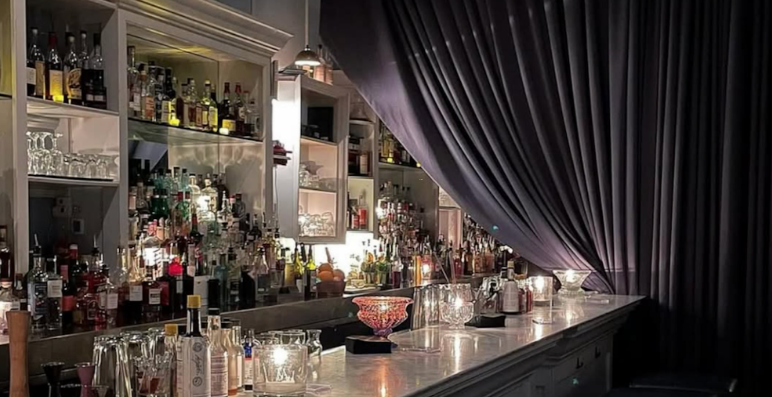
The speakeasy that launched Chicago's craft cocktail revolution. Hidden behind an unmarked door on Damen Avenue, The Violet Hour brought velvet curtains, house rules banning cell phones, and bartenders who treated cocktails as high art. No standing, no Cosmos, no Budweiser — just immaculate drinks in an intimate room where conversation mattered more than being seen.
Why It's Missed
The Juliet & Romeo cocktail. The no-standing policy that made every seat feel earned. The proof that Chicago could have a world-class cocktail scene. It won the James Beard Award for Outstanding Bar in 2015 and trained a generation of bartenders. When plumbing issues and landlord disputes closed it in 2025, Chicago lost its cocktail cathedral.
"The Violet Hour didn't just serve drinks — it taught Chicago how to drink." — Chicago Magazine
Last Known Address
1520 N Damen Ave, ChicagoSponsored Pick
Advertisements help support our content
7
The Silver Palm
1990–2021Lincoln Square
The Story
The neighborhood restaurant with legendary meatloaf, martinis mixed strong, and servers who remembered your name. Rotating art on the walls. White tablecloths without white tablecloth attitude. For 31 years, Lincoln Square celebrated birthdays, anniversaries, and random Tuesday nights here. The kind of place you thought would last forever.
Why It's Missed
The consistency — same menu, same welcome, same feeling that a neighborhood restaurant could actually be permanent. The servers who treated regulars like family. The myth that good places can't die. When it closed during the pandemic, Lincoln Square didn't just lose a restaurant. It lost proof that anything lasts.
"The Silver Palm was proof that a restaurant could be both excellent and unpretentious." — Time Out Chicago
Last Known Address
4437 N Lincoln Ave, Chicago8
Chief O'Neill's Pub
2000–2010Northwest Side
The Story
The Irish pub named after Francis O'Neill — Chicago police chief, traditional fiddler, and the man who preserved Irish music by writing it down. Nightly traditional music sessions where anyone could pull up a chair and play. Guinness poured correctly. A community of musicians who treated it like home. Real Irish pub culture on Elston Avenue, not the green beer version.
Why It's Missed
The sessions where skill mattered more than fame and anyone good enough could join the tune. The sense of tradition kept alive in a Chicago neighborhood, not performed for tourists downtown. The proof that Irish culture in this city runs deeper than dyeing the river green once a year.
"Chief O'Neill's was the real thing — musicians playing for the love of it, not for tourists." — Irish American News
Last Known Address
3471 N Elston Ave, Chicago9
Café Ba-Ba-Reeba!
1985–2024Lincoln Park
The Story
The restaurant that introduced Chicago to Spanish tapas, sangria by the pitcher, and the radical concept of eating dinner at 10pm. For 39 years, it was where Lincoln Park went to celebrate, flirt, and discover that sharing small plates was better than ordering your own entree. Paella pans clanging, noise levels deafening, energy contagious. Eating here felt like vacation.
Why It's Missed
The sangria that went down too easy. The sense of discovery when tapas were exotic instead of ubiquitous. The communal experience of sharing plates before literally every restaurant copied the model. It closed in 2024 after the building sold, because nothing gold can stay.
"Ba-Ba-Reeba made tapas a Chicago staple." — Chicago Magazine
Last Known Address
2024 N Halsted St, ChicagoSponsored Pick
Advertisements help support our content
10
Borders Books (original location)
1985–2011Loop
The Story
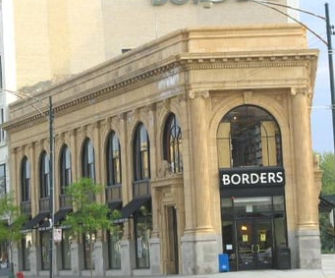
Before the chain overexpanded and imploded, the Borders flagship at State and Madison was a three-story cathedral of books in the heart of downtown. Overstuffed reading chairs, a café with decent coffee, and the revolutionary idea that the Loop needed a place to browse and think, not just work and shop. When it closed in 2011, downtown lost one of its few third places.
Why It's Missed
The ability to browse for hours without anyone bothering you. The chairs positioned for actual reading, not Instagram. The downtown meeting spot that wasn't a Starbucks. It represented an era when bookstores were civic anchors, not charming anachronisms.
"When Borders closed, the Loop became a little less livable." — Crain's Chicago Business
Last Known Address
150 N State St, Chicago11
Charlie Trotter's
1987–2012Lincoln Park
The Story
The restaurant that put Chicago fine dining on the international map and kept it there for 25 years. Charlie Trotter's 14-course tasting menus, obsessive perfectionism, and occasional kitchen terror earned two Michelin stars and trained a generation of Chicago chefs. Formal, ambitious, sometimes intimidating — it proved Chicago could cook with anybody.
Why It's Missed
The relentless pursuit of excellence that bordered on mania. The wine pairings that could run $500. The knowledge that you were experiencing something world-class without leaving the city. It made Chicago a dining destination, not just a meat-and-potatoes town that happened to have restaurants.
"Charlie Trotter taught Chicago that fine dining could be rigorous, personal, and distinctly ours." — Chicago Magazine
Last Known Address
816 W Armitage Ave, Chicago12
Frontera Fresco
2012–2020O'Hare Airport

The Story
Rick Bayless brought tortas ahogadas, short rib tacos, and made-to-order guacamole to Terminal 3, proving airport food didn't have to be a sad simulation of eating. For eight years, travelers between flights could eat James Beard Award-winning Mexican food at an airport gate. It was the best airport restaurant in America, which damned it with faint praise — it was legitimately great, period.
Why It's Missed
The guacamole made to order while you watched. The torta ahogada so good you considered missing your flight. The brief, shining moment when O'Hare offered something other than Garrett popcorn and regret. It closed during the pandemic, and now Terminal 3 is back to being Terminal 3.
"Frontera Fresco made O'Hare bearable." — Bon Appétit
Last Known Address
Terminal 3, O'Hare International Airport, ChicagoStay curious
New stories and hidden gems delivered to your inbox.
No spam. Unsubscribe anytime.
Explore More
Discover more curated guides and local favorites.
Chicago's Best Bars
Dive bars, cocktail lounges, and neighborhood favorites
Explore
Chicago's Best Coffee Shops
Local roasters, cozy cafes, and third wave spots
Explore
Chicago's Best Restaurants
From fine dining to hidden gems and local favorites
Explore
Chicago's Dark History
Unsolved mysteries and darker chapters
Explore
Chicago's Curiosities
Fascinating facts and surprising stories
Explore
Chicago's Hidden Gems
Secret spots and local treasures
Explore
Chicago's Lost Chicago
Beloved places we miss
Explore
Fargo Best Bars
Dive bars, cocktail lounges, and neighborhood favorites
Explore
Know something we missed? Have a correction?
We'd love to hear from you