Deep Dives
Articles
Longform stories and essays exploring Chicago's history, culture, and untold stories.
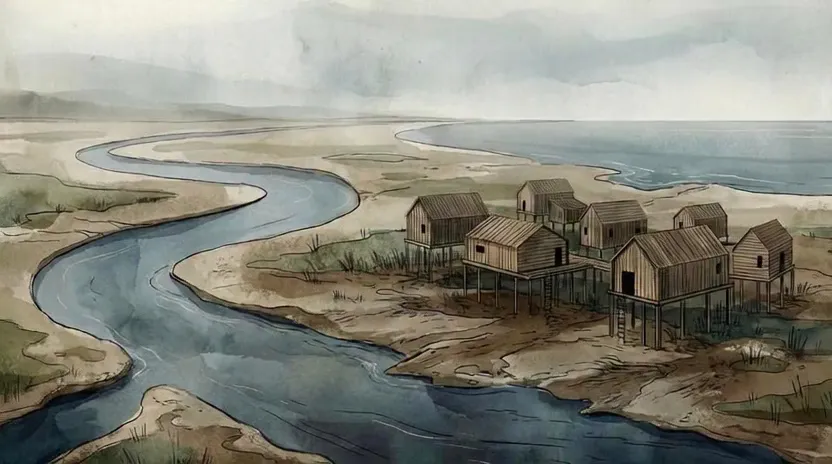
The Swamp That Worked
Reversed rivers, inverted skyscrapers, and the stubborn insistence that this swamp is exactly where a great city belongs
Read More

The Chicago Pizza Wars: When the Mob Controlled Deep Dish
Chicago's pizza industry was controlled by the Chicago Outfit for decades. Through Grande Cheese — a company with mob ties — the Outfit monopolized cheese distribution and extorted pizzeria owners who didn't comply. Restaurants that refused were burned. Four people died. The violence ended only when federal prosecutors dismantled the Outfit in the 2000s.
Read More

Maxwell Street: The Birthplace of Chicago Blues That the City Demolished
Maxwell Street Market was where Chicago blues was born — where Muddy Waters, Howlin' Wolf, and Little Walter first plugged in and played electric. Jewish merchants gave them extension cords. The music changed the world. Then, in the 1990s, the University of Illinois demolished the whole thing for student housing. The birthplace of American music became a Jamba Juice.
Read More

Chicago's Max Headroom TV Hijacking: The Only Unsolved Broadcast Hack in History
On November 22, 1987, someone wearing a Max Headroom mask hijacked the broadcast signals of two Chicago television stations in the middle of primetime. For 90 surreal seconds, viewers watched a distorted figure make bizarre statements, moan incomprehensibly, and get spanked with a flyswatter on live TV. The FBI investigated for years and came up empty. It remains the only unsolved broadcast signal intrusion in American history — and one of the creepiest unsolved mysteries of the analog era.
Read More

The Eastland Disaster: Chicago's Forgotten Titanic
On July 24, 1915, the SS Eastland capsized in the Chicago River while passengers were still boarding for a company picnic. 844 people died — more than the Titanic's American death toll. The ship never left the wharf. It remains the deadliest single-vessel disaster in Great Lakes history, and somehow, it's been almost completely forgotten.
Read More
Chicago's Iroquois Theater Fire Killed 602 People in 15 Minutes
The Iroquois Theater was "absolutely fireproof" — that's what the ads promised. On December 30, 1903, a spark from a stage light ignited a curtain during a packed holiday matinee. 602 people died in fifteen minutes. The exits had been locked to keep out gate-crashers. The "asbestos" safety curtain was made of painted wood pulp. It remains the deadliest single-building fire in American history, and Chicago has mostly forgotten it.
Read More