1
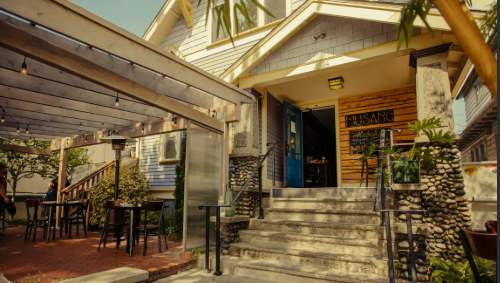
Seattle Pinball Museum
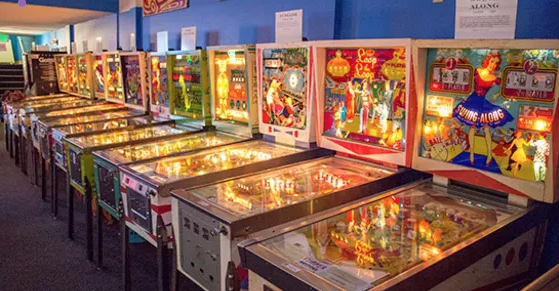
Opened late August 2010 as part of Storefronts Seattle, a program pairing empty storefronts with artists to revitalize neighborhoods. Selected as one of ten ventures to launch in Chinatown-International District. Over 50 meticulously maintained machines arranged chronologically—oldest is Texan from 1960. Manufacturers include Jersey Jack, Stern, Williams, Bally, Midway, Data East, Game Plan. One admission, unlimited free play. The collection rotates. Two blocks from Chinatown-International District light rail. Most people walk right past it.
2
The Secret Stairways of Seattle
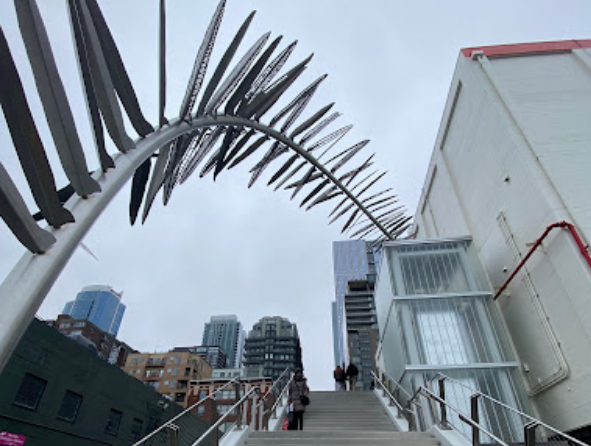
Seattle is built on steep hills, and the city has over 650 public stairways — many hidden in residential neighborhoods, cutting through forested ravines, or connecting streets that would otherwise require miles of detour. Some have been nicknamed: the "Counterbalance" stairs on Queen Anne, the "Ravenna" stairs descending into the park, the "Blaine" stairs with their garden terraces.
3
The Ruins at Volunteer Park
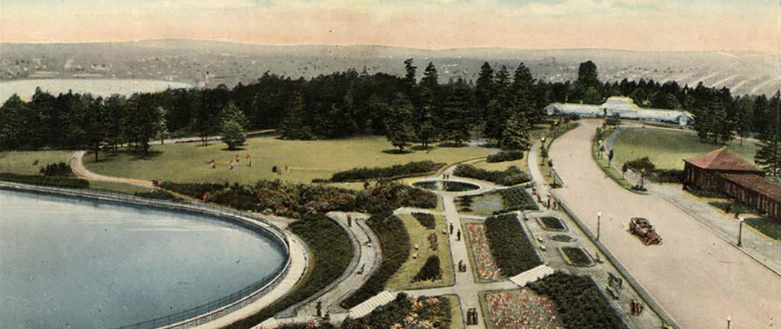
Behind the Asian Art Museum in Volunteer Park, partially hidden in the landscaping, are the remains of a 1912 conservatory foundation. The conservatory was demolished in 1969, but its basement level remains — vine-covered brick walls, empty window frames, and the ghosts of Seattle's Gilded Age.
Sponsored Pick
Advertisements help support our content
4
Georgetown Steam Plant
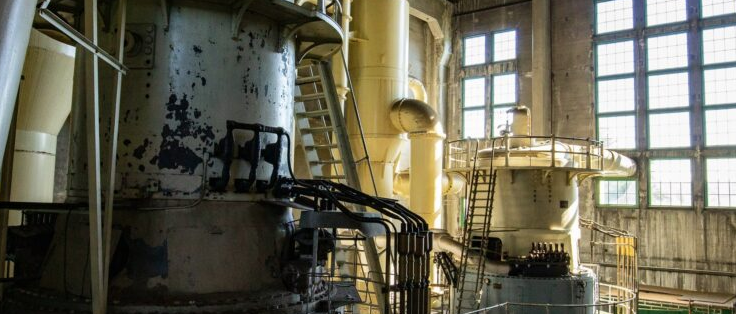
Built 1906-1907 by Seattle Electric Company on 18 acres along the Duwamish River. Three Curtis turbines manufactured by General Electric between 1906 and 1917—the machines that "marked the beginning of the end of the reciprocating steam engine" for large-scale electricity generation. Designated National Historic Mechanical Engineering Landmark in 1980, National Historic Landmark in 1984. Still owned by Seattle City Light. Last electrical generation: October 15, 1952. Open for tours second Sunday of each month. Most Seattleites have never heard of it. The turbines are intact and occasionally demonstrated.
5
Discovery Park's Hidden Beach
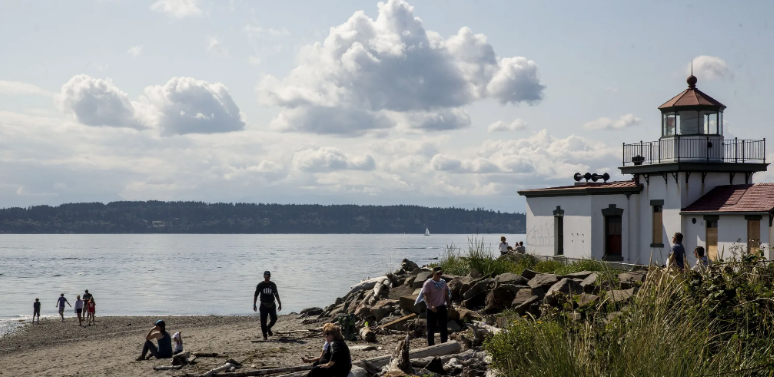
In 1896, the U.S. Army established Fort Lawton on 703 acres of Magnolia Bluff. By the 1940s it was the Pacific theater's second-largest embarkation port. In 1970, 100+ Native Americans led by Bernie Whitebear occupied the fort, citing 1865 treaties promising surplus military land to original owners. Negotiations resulted in a 99-year lease for 20 acres (now Daybreak Star Cultural Center) and the rest became public park. On September 1, 1972, Tricia Nixon Cox transferred 391 acres to Seattle. Now it's Discovery Park—560 acres, Seattle's largest. A 2.8-mile trail descends through forest to wild beach. West Point Lighthouse at the end, built 1881, rises 23 feet above the sand. Views of Rainier, Olympics, Puget Sound. Most visitors never make the trek down.
6
Kubota Garden
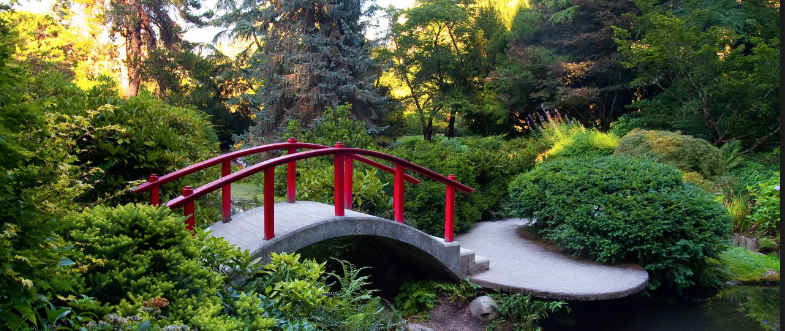
Fujitaro Kubota emigrated from Shikoku, Japan in 1907. Started a gardening company in 1923. In 1927, bought 5 acres of Rainier Beach swampland through a friend—Japanese immigrants couldn't purchase land directly. He spent decades building a display garden merging Japanese design with Pacific Northwest materials. Then came WWII. Kubota and his family were interned at Camp Minidoka in Idaho. He built a rock garden there too. Returned in 1945. Restored his garden. Died in 1973. The city declared it a landmark in 1981, purchased it in 1987. Now it's 20 acres, free to the public, and most Seattle residents still don't know it exists. Spring azaleas. Fall maples. Year-round proof that beauty survives displacement.
Sponsored Pick
Advertisements help support our content
7
Carkeek Park Salmon Runs
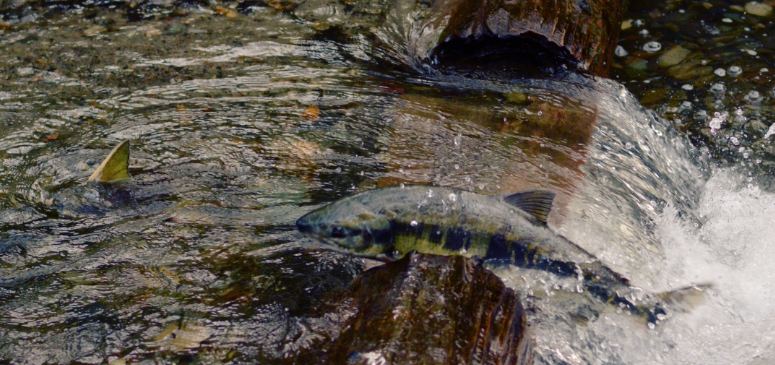
Every fall, chum and coho salmon return to spawn in Piper's Creek, which runs through this North Seattle park. You can watch them from bridges built specifically for viewing. Kids love the salmon-shaped playground and the beach access at the bottom of the park.
8
Ye Olde Curiosity Shop
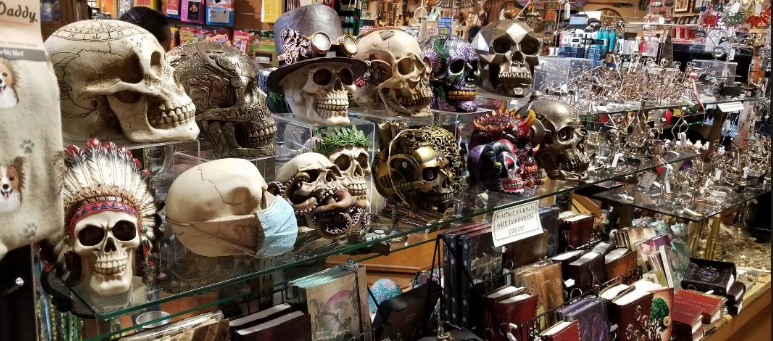
J. E. "Daddy" Standley opened Standley's Free Museum and Curio on Second Avenue in late 1899. Moved to the waterfront in 1904, renamed it after Dickens's novel, adopted the motto "Beats the Dickens." Shrunken heads. Sylvester the mummy (acquired 1955, believed to be an 1890s Arizona gunshot victim, but 2005 CT scans suggest arsenic embalming fluid). Two-headed calves. Oddities from six continents. In 1933, the Seattle Star named it one of the "Seven Wonders of Seattle"—the only shop on the list. Four generations of the same family. Now on Pier 54. Equal parts tourist trap and genuine cabinet of curiosities. Your great-grandparents visited. Their great-grandparents visited. It persists.
9
The Hat n' Boots
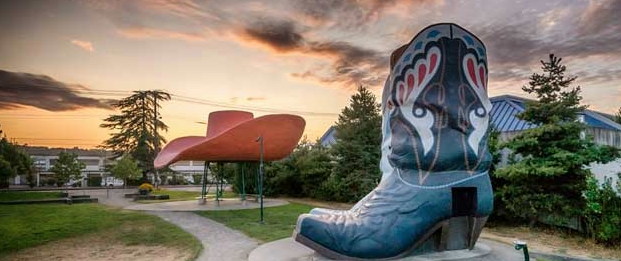
In 1953, businessman Buford Seals hired commercial artist Lewis Nasmyth to design a gas station for his planned Frontier Village shopping center on Highway 99. Nasmyth sketched it in 15 minutes: office under a 44-foot cowboy hat, bathrooms inside 22-foot boots. Premium Tex opened in 1954 (named for Texaco gas and free "premiums" with fill-ups). It became Washington's busiest gas station. Seals ran out of money. Frontier Village never happened. The station closed in 1988. Georgetown Community Council bought the structures for $1 in 2002, moved them to Oxbow Park in 2003. Boots restored 2005. Hat finished 2010. You can climb inside a boot. Nasmyth got a U.S. patent for the design on March 20, 1956.
Sponsored Pick
Advertisements help support our content
10
Archie McPhee
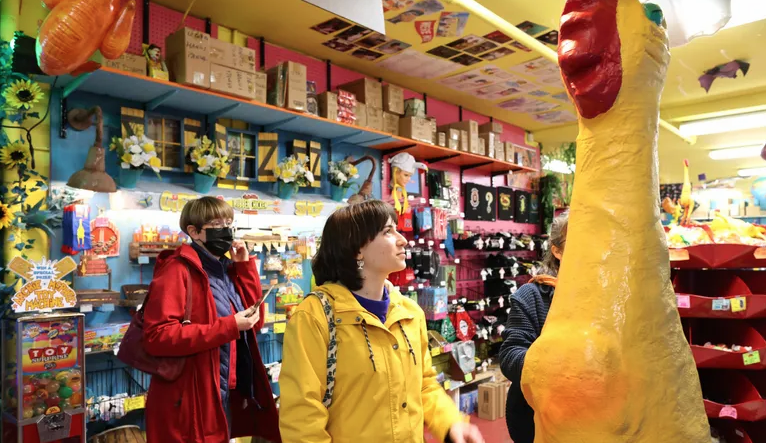
Mark Pahlow opened the first retail outlet in Fremont in July 1983, named after a North Dakotan adventurer and practical joker who brought jazz to Asia in 1924 (Pahlow's great-nephew-in-law). Moved to Ballard in 1999. Downsized to Wallingford in 2009. Rubber chickens. Yodeling pickles (David Wahl's invention, now iconic). Bacon bandages. An entire Rubber Chicken Museum opened inside the store in 2018. Party supplies, miniatures, costumes, and an astounding array of things you didn't know existed and now desperately need. Four decades of curated absurdity.
Stay curious
New stories and hidden gems delivered to your inbox.
No spam. Unsubscribe anytime.
Explore More
Discover more curated guides and local favorites.
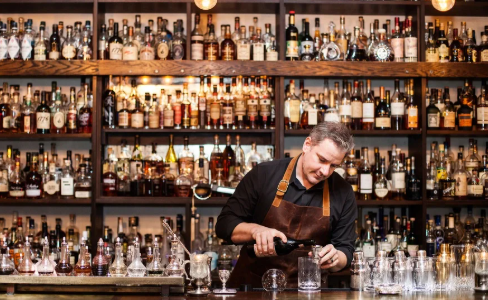
Seattle's Best Bars
Dive bars, cocktail lounges, and neighborhood favorites
Explore
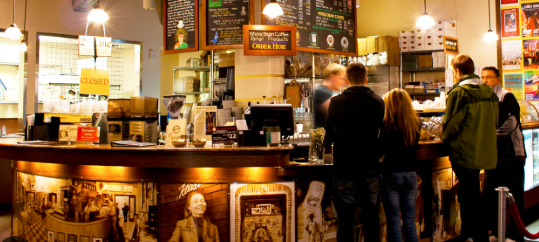
Seattle's Best Coffee Shops
Local roasters, cozy cafes, and third wave spots
Explore
Seattle's Best Restaurants
From fine dining to hidden gems and local favorites
Explore
Seattle's Dark Seattle
Unsolved mysteries and darker chapters
Explore
Seattle's Curiosities
Fascinating facts and surprising stories
Explore
Seattle's Lost Seattle
Beloved places we miss
Explore
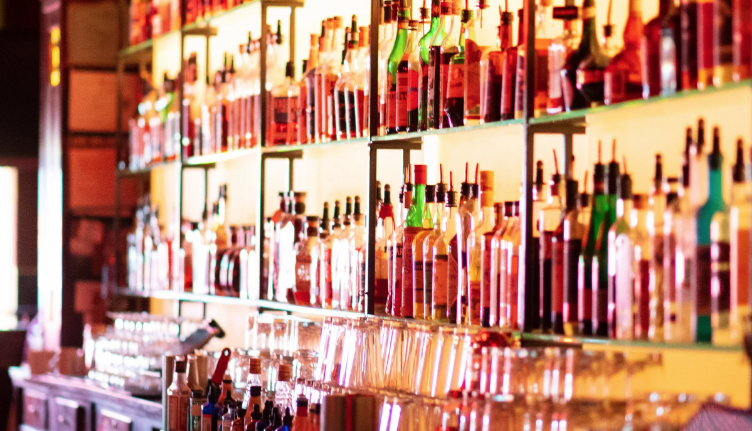
Salt Lake City Best Bars
Dive bars, cocktail lounges, and neighborhood favorites
Explore
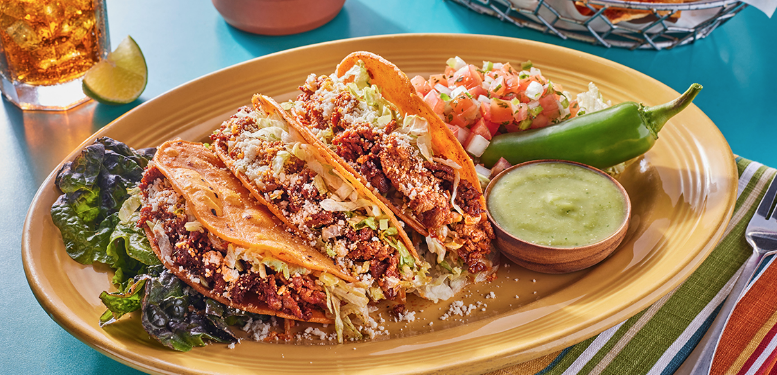
Salt Lake City Best Restaurants
From fine dining to hidden gems and local favorites
Explore
Know something we missed? Have a correction?
We'd love to hear from you