Deep Dives
Articles
Longform stories and essays exploring Seattle's history, culture, and untold stories.
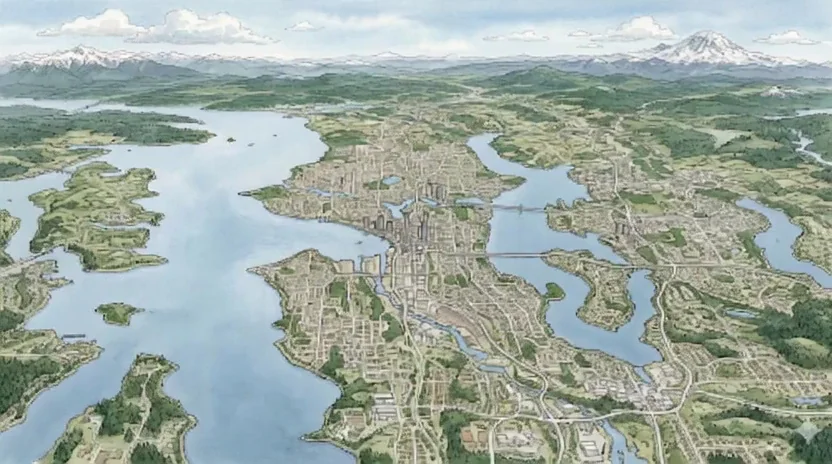
Rain City Rising
Lumber, fish, airplanes, and the particular genius of turning gray skies into gold
Read More
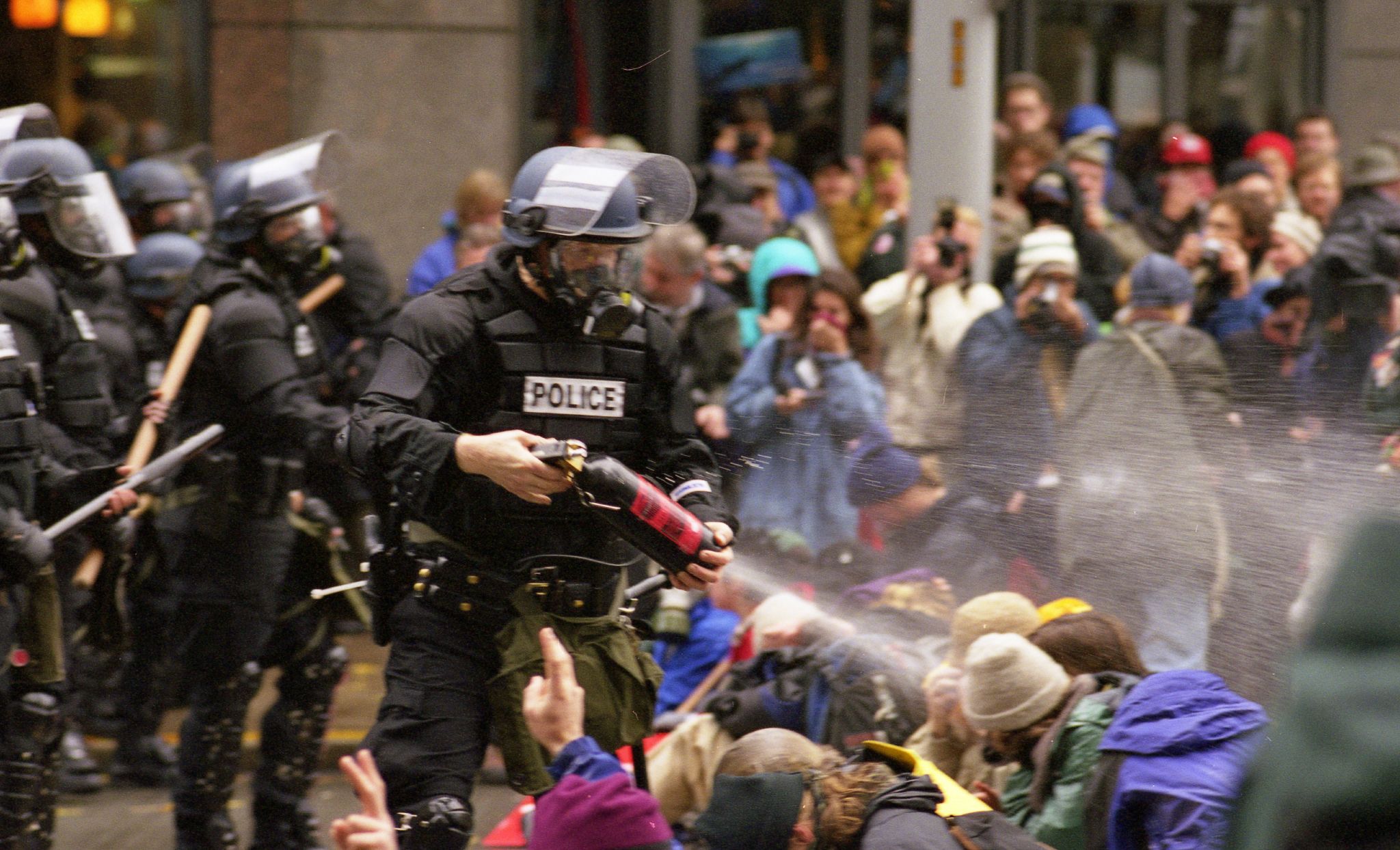
The Battle of Seattle: When 40,000 Protesters Shut Down the WTO
From November 30 to December 3, 1999, over 40,000 protesters descended on Seattle to disrupt the World Trade Organization's ministerial conference. They succeeded. The "Battle of Seattle" became the defining protest of a generation, introducing tactics that would shape activism for decades. It also gave Seattle a global reputation for both progressive resistance and broken Starbucks windows.
Read More
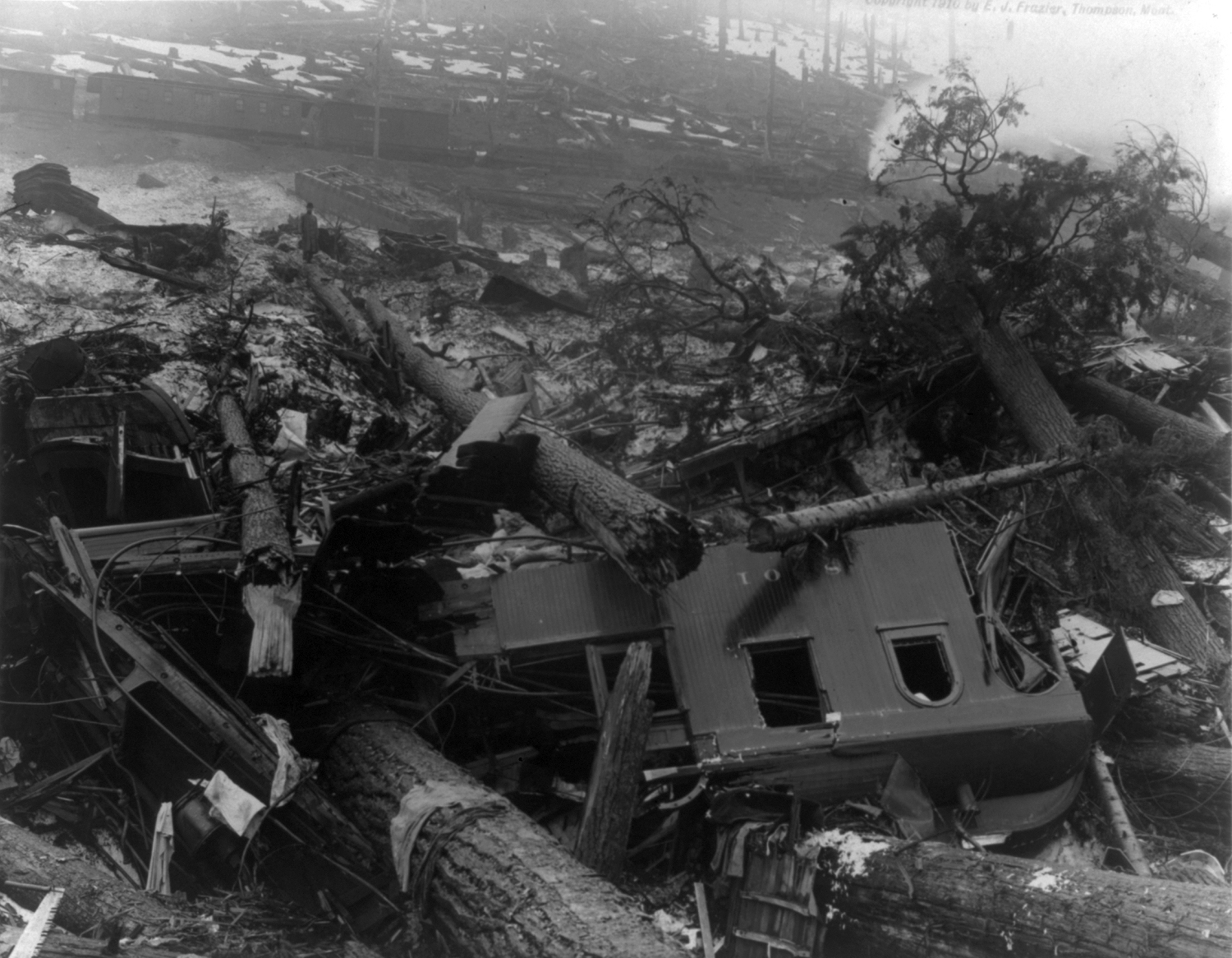
The Avalanche That Buried a Train
For six days, two trains sat trapped by snow at Wellington Station in the Cascade Mountains. The passengers waited. The railroad tried to dig them out. Then, at 1:42 AM on March 1, 1910, lightning ignited a massive avalanche that swept both trains off the mountain. Ninety-six people died. The Great Northern Railway was so ashamed they renamed the station and let it disappear from memory. Most Washingtonians have never heard of it.
Read More
How Seattle Accidentally Invented Grunge and Changed Rock Forever
Grunge wasn't a marketing strategy — it was what happened when punk rock collided with heavy metal in Seattle's cheap rent districts and dive bars. Nirvana, Pearl Jam, Soundgarden, and Alice in Chains turned a regional sound into a global phenomenon. Then Kurt Cobain died, the venues closed, and the city that created grunge became too expensive for the next generation of musicians to afford.
Read More
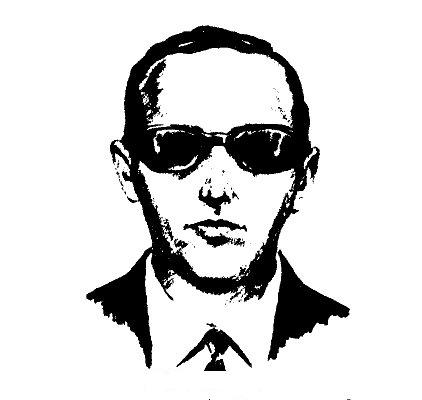
D.B. Cooper: The Man Who Vanished
On November 24, 1971, a man calling himself Dan Cooper hijacked Northwest Orient Flight 305, collected $200,000 in ransom, and parachuted into the Washington wilderness. He was never found. The FBI officially closed the case in 2016. The Pacific Northwest never stopped looking.
Read More

When Seattle Was Coal Country
For fifty years, King County was one of the largest coal-producing regions west of the Mississippi. Mines in Newcastle, Renton, and Black Diamond employed thousands. Chinese workers did the most dangerous jobs. Indigenous Duwamish people were displaced to make way for the mines. Then oil replaced coal, the mines closed, and Seattle became the tech-and-coffee city it is today. Most Seattleites have no idea their city was built on coal — or that abandoned mine shafts still run beneath their suburbs.
Read More