Deep Dives
Articles
Longform stories and essays exploring Denver's history, culture, and untold stories.
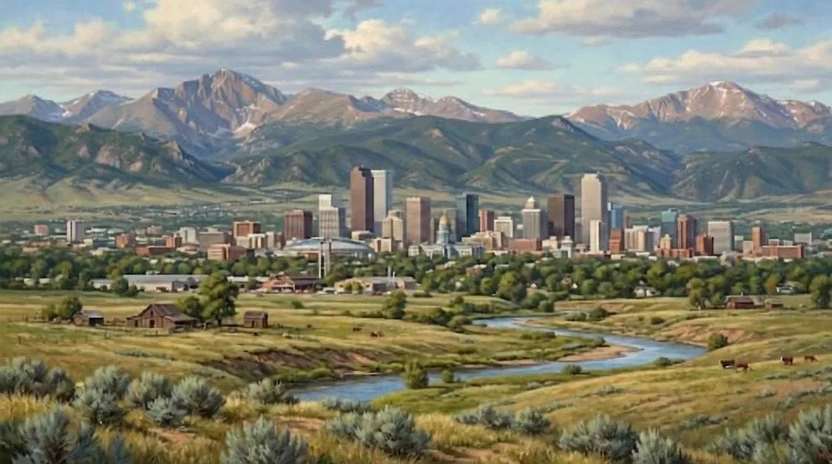
Mile High Hustle
Gold, silver, oil, weed, and the peculiar alchemy of turning mountain proximity into money
Read More
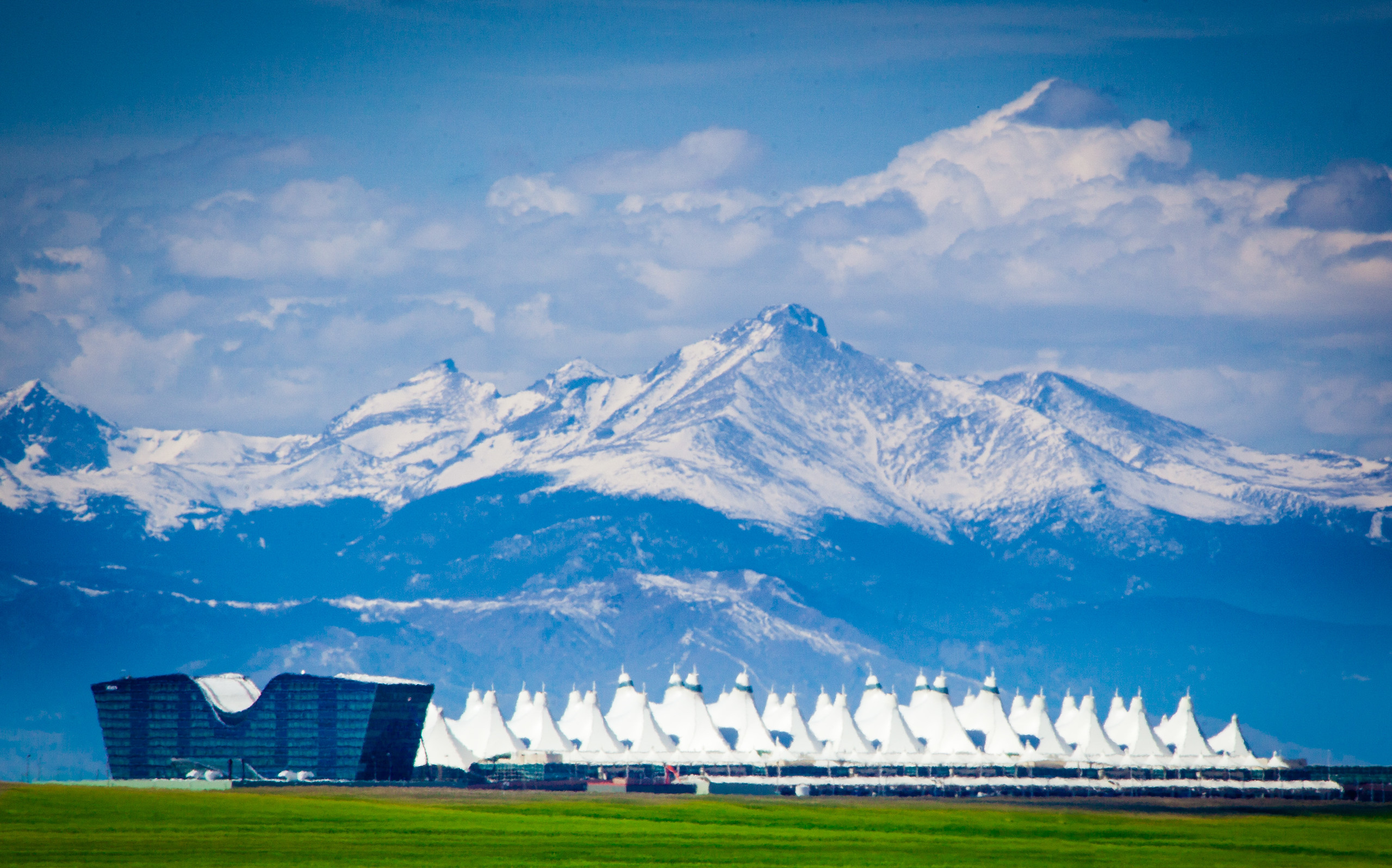
Blucifer: The Demon Horse That Murdered Its Creator
Denver International Airport is greeted by a 32-foot blue mustang with veins bulging and eyes glowing hellfire red. The sculpture killed its creator when a piece fell on him, severing an artery. Locals call it Blucifer. The airport sells merchandise about it. Welcome to Denver.
Read More

The Night the Dam Broke
The Castlewood Dam was cracked from the day it was built in 1890. Water seeped through the structure. Engineers issued warnings. Nobody did anything. Then, during a thunderstorm in 1933, the dam finally gave way. An eleven-foot wall of water raced down Cherry Creek toward Denver at 18 miles per hour. Two people died. The damage, in the depths of the Depression, was catastrophic. Today, the ruins stand in a state park, a reminder of what happens when warnings are ignored.
Read More

The Son Who Bombed His Mother's Plane
Minutes after takeoff from Denver's Stapleton Airport, United Airlines Flight 629 exploded in midair, killing all 44 people aboard. The FBI investigation led to a shocking discovery: the bomber was one of the passengers' own sons, who had planted dynamite in his mother's luggage for insurance money. Jack Gilbert Graham became one of the first people executed for federal murder. The case changed aviation security forever.
Read More

Denver's 1880 Anti-Chinese Massacre: The Halloween Riot That Erased Hop Alley
Denver's Chinatown was thriving in October 1880 — 400 residents, laundries, restaurants, a whole neighborhood called Hop Alley. Then, on Halloween night, a bar fight turned into a full race riot. A mob of 3,000 white men torched every Chinese-owned business, beat residents in the streets, and lynched a man from a lamppost. The Chinese consul demanded reparations. The feds refused. The killers were acquitted. Denver didn't correct its victim-blaming historical marker until 2022.
Read More