Beyond the High Rises
Dystopian tunnels, outlaw graves, and a 30-foot eyeball staring at luxury condos
Dallas has a reputation for being all about the new, but the real soul of the city hides in underground pedestrian networks that killed street life, cemeteries where visitors leave cigarettes for Bonnie and Clyde, and side streets that haven't seen a bulldozer yet.
1
Meow Wolf: The Real Unreal
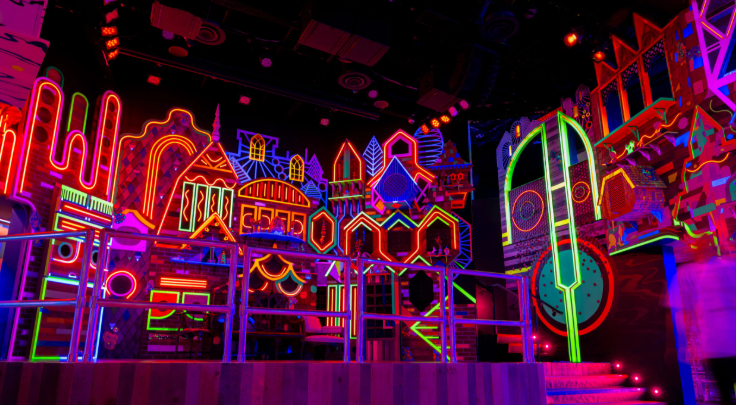
Meow Wolf's fourth permanent exhibition. First location in Texas. Opened July 14, 2023, in Grapevine Mills Mall in a former 40,000-square-foot Bed Bath & Beyond. 150 artists and fabricators—38 from Texas—created 30+ unique rooms occupying roughly 29,000 square feet. Story conceived by author LaShawn Wanak: Ruby and Gordon Delaney moved to Bolingbrook, Illinois. Their daughter Carmen moved back home and started a spice blend company named Ruby's Garden. The narrative centers on the disappearance of Carmen's friend's son, Jared Fuqua, and the family that unknowingly unlocked portals to a different existence. Enter through the front door of a seemingly normal two-story suburban home. The rooms spiral out from there. In June 2025, Meow Wolf added Prime Materia, a bar integrated into the narrative. Massive. Immersive. Brain-breaking.
2
Texas Theatre
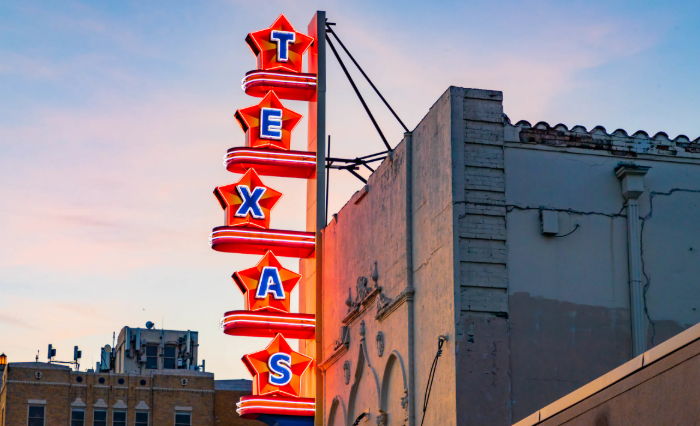
Opened April 21, 1931, with fanfare on San Jacinto Day. Renowned architect W. Scott Dunne designed it in Venetian style—opera boxes, fountains, projected clouds on the ceiling, giant chandelier. Financed by Howard Hughes. First theater in Dallas with air conditioning. On November 22, 1963, Lee Harvey Oswald ducked into the theater during a showing of War Is Hell and sat near the back. Police arrested him there. Shortly after, the theater's vibrant designs were sealed under Spanish-style stucco. In 2001, the Oak Cliff Foundation acquired it. $1.6 million from Dallas Neighborhood Renaissance Partnership. Added to the National Register of Historic Places in 2003. Formally re-opened in 2010. Now hosts indie films, repertory cinema, and special events. The history is dark. The movies are good.
3
Dallas Underground Tunnels
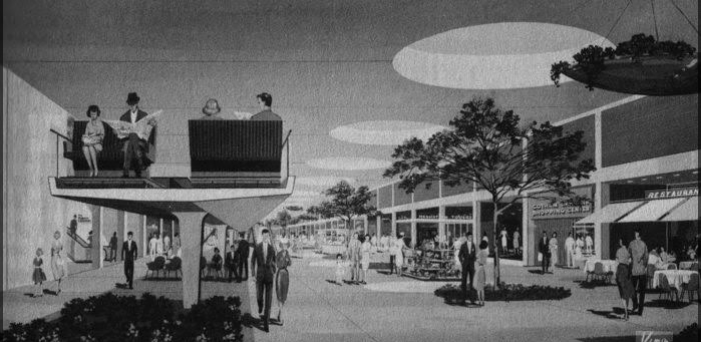
In the 1960s, Dallas hired Vincent Ponte, the urban planner who designed Montreal's famous Underground City, to create a subterranean pedestrian network beneath downtown. The result: 3 miles of tunnels connecting 36 city blocks, complete with shops, restaurants, and corporate lobbies that never see daylight. The problem? It worked too well at keeping office workers underground. Street-level retail died. The sidewalks emptied. Former mayor Laura Miller called it "the worst urban planning decision Dallas has ever made." Today the tunnels are largely deserted between rush hours, when bank employees and lawyers shuffle through fluorescent-lit corridors. It's eerily atmospheric, part Cold War bunker aesthetic, part abandoned mall. Most entrances are unmarked or hidden inside building lobbies. If you find one, you'll have the whole dystopian network almost to yourself.
Sponsored Pick
Advertisements help support our content
4
Ann & Gabriel Barbier-Mueller Samurai Museum
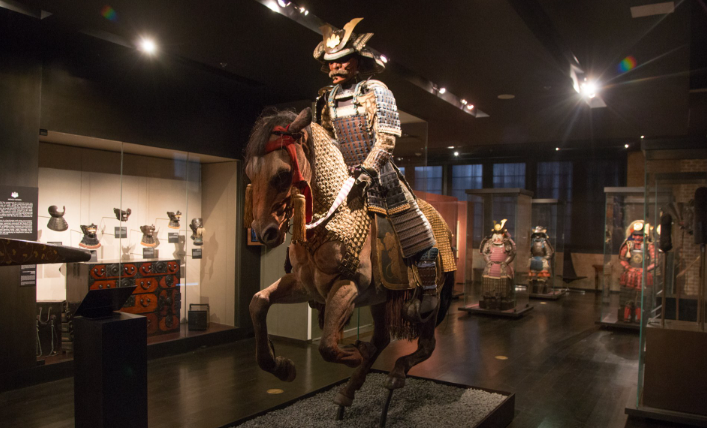
The only museum in the United States dedicated to samurai art and armor. One of the largest collections of its kind in the world. Ann and Gabriel Barbier-Mueller began acquiring samurai art over thirty years ago. Gabriel was fascinated by samurai armor since adolescence. Acquired his first piece in the early 1990s. The collection now spans the fifth to nineteenth centuries. Suits of armor, helmets, masks, horse armor, weaponry—with particular emphasis on the Edo period. Housed in the historic St. Ann's School building, originally constructed in 1927. Rotating exhibitions explore intriguing aspects of Japanese warrior culture. More than 140 pieces tour internationally.
5
Pioneer Plaza
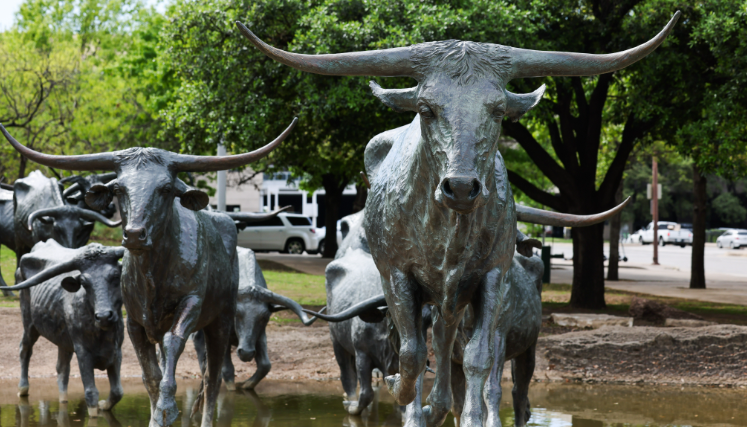
The largest bronze monument of its kind in the world. 49 bronze steers and 3 trail riders created by artist Robert Summers of Glen Rose, Texas. Each steer is larger-than-life at six feet high. Cast at Eagle Bronze Foundry in Lander, Wyoming. Commemorates nineteenth-century cattle drives along the Shawnee Trail—the earliest and easternmost route by which Texas longhorn cattle were taken to northern railheads. The trail passed through Austin, Waco, and Dallas until the Chisolm Trail siphoned off most of the traffic in 1867. Real estate developer Trammell Crow wanted an iconic "Western" sculpture. Summers began work in November 1992. Opened on time in 1994. Second only to Dealey Plaza as the most-visited landmark in downtown Dallas.
6
Giant Granite Teddy Bears at Lakeside Park
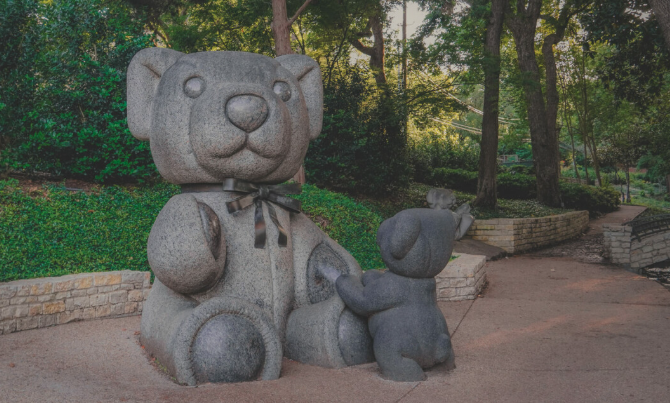
Vermont artist J.T. Williams carved a family of teddy bears from granite for the Harlan Crow family. Presented to Highland Park on Christmas Eve 1995. Three four-foot cubs and one giant 10-foot bear. The massive bear alone weighs 20 tons. They sit along Turtle Creek on 14 acres of exceptionally landscaped grounds in affluent Highland Park—one of the 10 richest places in the U.S. Inspired by the famous bronze bears that once greeted customers before entering FAO Schwartz at NorthPark Mall. Cross the pedestrian bridge and you'll find whimsy carved in stone.
Sponsored Pick
Advertisements help support our content
7
Thanks-Giving Square
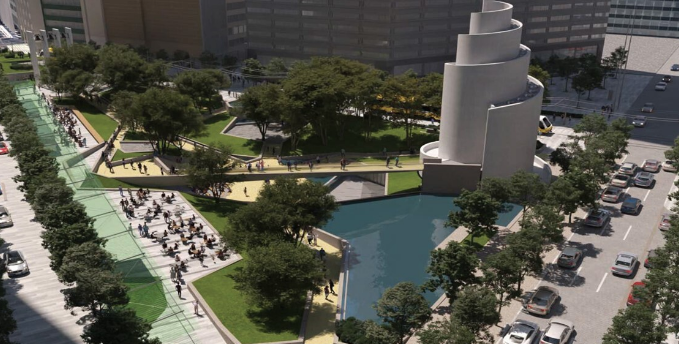
A serene urban garden set 15 feet below ground in downtown, featuring an upended nautilus with a conical chapel inside containing a helix of clerestory stained glass windows rising 90 feet. Designed by architect Philip Johnson in 1976. A meditative escape largely forgotten by locals.
8
Museum of Geometric and MADI Art
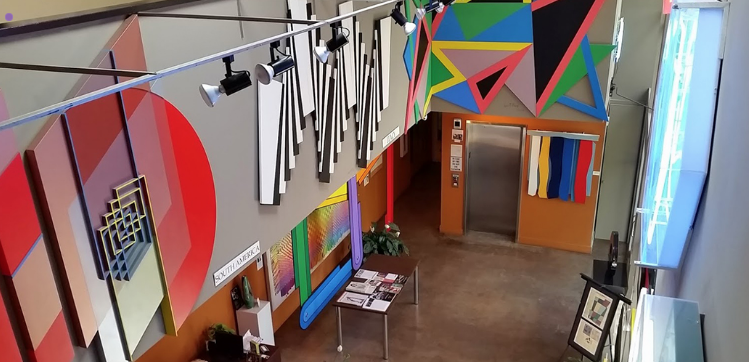
Bill and Dorothy Masterson traveled to Paris in the 1990s. Met Carmelo Arden Quin and other artists working in the MADI style—a "rambunctious" form of geometric abstraction Quin founded in 1946. The Mastersons fell for it. Started collecting. Founded the museum in 2002. Opened in 2003. The only museum in North America dedicated to geometric abstraction and the MADI movement. Circles, stripes, waves, spheres, spirals, lozenges, arcs, meanders. International significance. Locals barely know it exists.
9
Trammell Crow Sculpture Garden
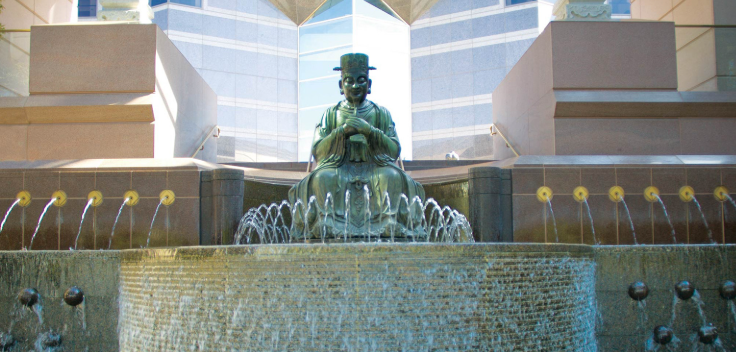
Completely free Japanese-inspired sculpture garden in the Dallas Arts District. Winds around the exterior of the Trammell Crow office building one level above the street. Twelve artworks from the 9th to the 21st centuries displayed outdoors. Stone arrangements, dry riverbed, shady groves, bamboo thickets, karesansui (flat landscape with raked gravel). Different aspects around each side of the building. Located between the Nasher Sculpture Garden and the Dallas Museum of Art. Adjacent to the Crow Collection, also free. A shaded oasis with stunning sculptures most visitors walk right past.
Sponsored Pick
Advertisements help support our content
10
Giant Eyeball Sculpture
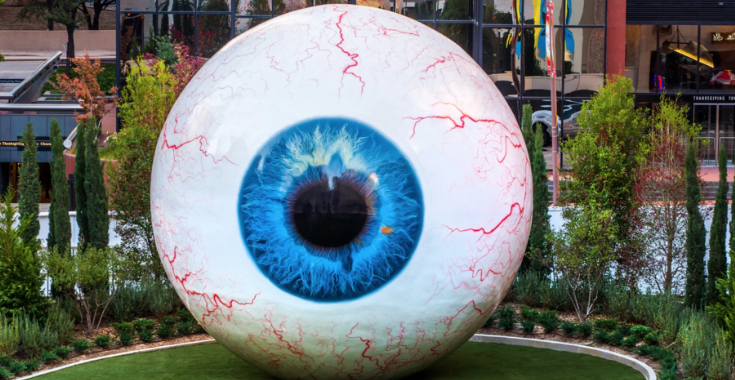
Chicago artist Tony Tasset created this 30-foot-tall fiberglass eyeball in 2007, modeled after his own bloodshot eye (complete with veins and a dilated pupil). It first appeared in Chicago's Pritzker Park, staring down unsettled pedestrians for three years. In 2013, the Joule Hotel bought it and installed it in their downtown Dallas courtyard, where it now gazes eternally at luxury condos and confused tourists. The pupil alone is 3 feet wide. At night, internal lighting gives it an unsettling glow. The hotel uses the courtyard for private events, which means you might attend a cocktail party under the unblinking surveillance of a bloodshot eyeball the size of a small building. Tasset says it's about perception and observation. Dallas just thinks it's cool and weird.
11
The Texas Woofus
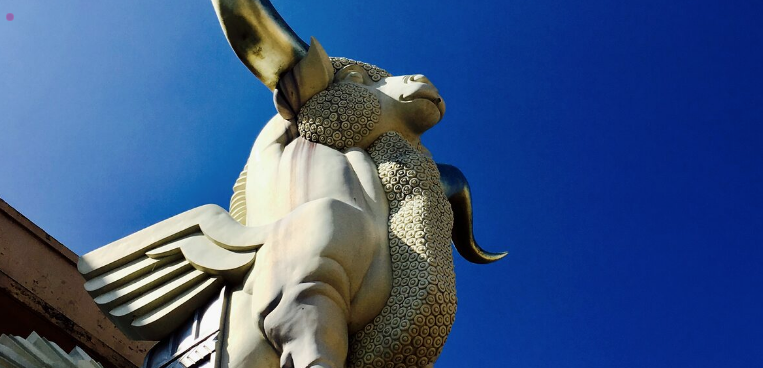
A chimera sculpture featuring the mane and neck of a horse, turkey tail, pig body, duck wings, sheep's head, and Texas longhorns. Created for the 1936 Texas Centennial, mysteriously disappeared in 1941, replaced in 1998. One of Fair Park's most obscure treasures.
12
Bonnie & Clyde Graves
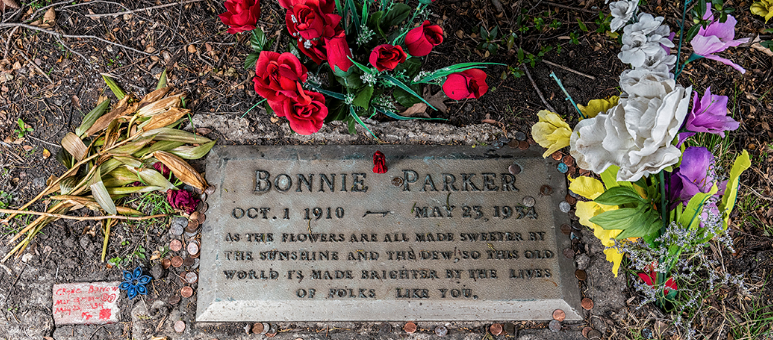
The separate graves of Dallas's most infamous outlaws. Bonnie is at Crown Hill Memorial Park, Clyde at Western Heights Cemetery. Visitors leave cigarettes, bullets, and flowers. As of 2025, there's an active legal battle to reunite them.
Sponsored Pick
Advertisements help support our content
13
M-Line Trolley
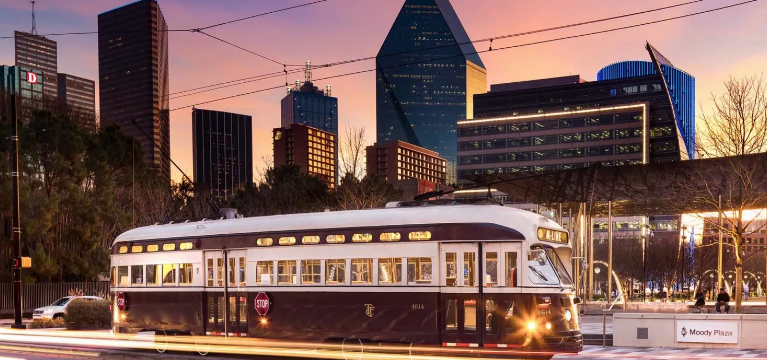
Dallas had streetcars from 1872 until 1956, when the automobile killed them. Then in 1983, a group of transit enthusiasts formed the McKinney Avenue Transit Authority and started rescuing vintage trolleys from cities across America. They found a 1909 Melbourne, Australia tram. A 1920 Oporto, Portugal car. A 1945 Rosario, Argentina streetcar. They restored them, laid track through Uptown, and launched service in 1989. Today the M-Line runs 4.6 miles with 37 stops, connecting West Village to downtown. It's completely free. Half a million rides a year, all on century-old vehicles that creak and sway like time machines. Most Dallas visitors have no idea it exists. Locals who discover it tend to become evangelists. Catch it at night when the vintage cars glow against the skyline.
3153 Oak Lawn AveDallas, TX 75219
Website7am-10pm Mon-Thu, 10am start weekends, until midnight Fri-Sat
Completely free (donations encouraged)
14
Cedar Ridge Preserve
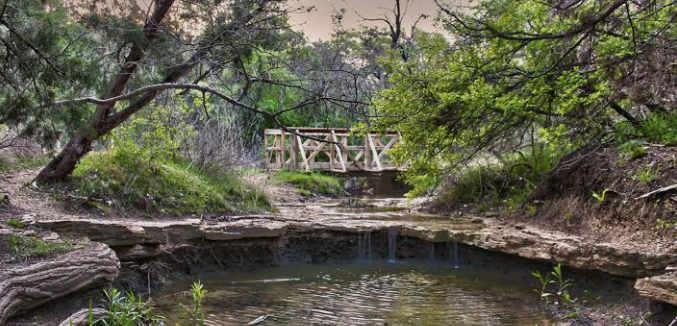
In 1975, the Greenhills Foundation acquired 26 acres and started the Dallas Nature Center, providing outdoor appreciation programs. Dallas County began acquiring more property in 1985. By 2003, they'd reclaimed those original 26 acres and more—633 acres total on the White Rock Escarpment. April 2003, Audubon Dallas took over management. Now it's 9 miles of looping trails at 755 feet elevation—one of the highest points in the Metroplex. Full Moon Hikes. Spectacular hilly views. A slice of Hill Country 20 minutes from downtown. Lesser-known than White Rock Lake. Arrive before 8am on weekends to guarantee parking.
15
Joppa Preserve / Lemmon Lake
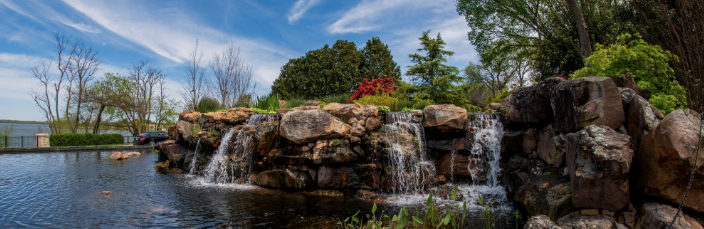
First established in 1986 as Lemmon Lake. Renamed in 1991 after the nearby freedman town Joppa (pronounced "Joppee")—settled in 1872 by former slaves of the Miller Plantation. Henry Critz Hines was enslaved property sent from Missouri to the Miller Plantation. When freed, Miller gave Hines the ferry used to cross the Trinity River. Hines prospered. Other freed persons came. One of 30+ freedman communities formed in North Texas after abolition. Some of the earliest Juneteenth celebrations began here. The city annexed Joppa in 1955. Now the 296-acre preserve protects wetlands and Lemmon Lake in the Great Trinity Forest. Trail cameras document white-tailed deer, coyotes, feral hogs. Plentiful migrating waterfowl and year-round shorebirds.
Sponsored Pick
Advertisements help support our content
16
The Wild Detectives

Javier García del Moral and Paco Vique—two Spanish civil engineers—met in Austin in 2008-2009. Became friends over a shared love of literature. Named their dream after Roberto Bolaño's Los Detectives Salvajes (The Savage Detectives). Opened in 2014 on 8th Street in Oak Cliff, less than a block from Bishop Arts. Nearly 1,500 carefully chosen books. Coffee, espresso, beer, wine. Backyard patio. Concerts, film screenings, readings, community events between the shelves. Became Dallas's literary heart. An independent bookstore-bar-venue creating the kind of intentional cultural conversation the city desperately needed.
17
The Cidercade
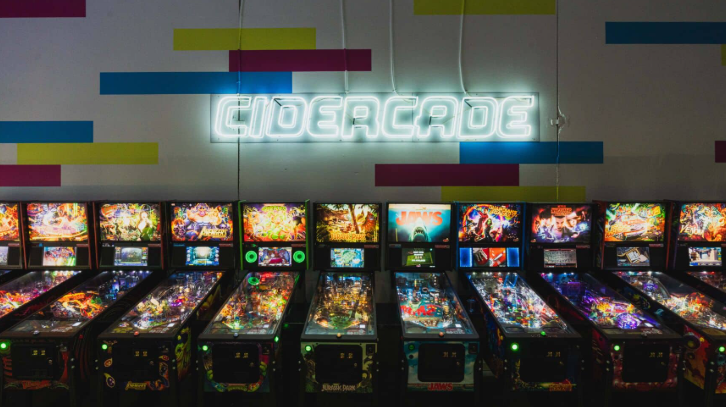
Bishop Cider Company took over a massive warehouse in Deep Ellum and filled it with 150+ vintage arcade games, pinball machines, and classic consoles. Pay a flat $12 cover (weekdays) or $15 (weekends) and every game is free to play. The catch: they only serve cider, no beer. But the cider is excellent, made in-house with flavors rotating seasonally. The space itself is cavernous and loud, exactly what an arcade should feel like. Adults reclaiming quarters they never had to spend. The original location opened in 2018 after the Cider company outgrew their Bishop Arts taproom. Now there's a second Cidercade in Fort Worth.
2777 Irving BlvdDallas, TX 75207
WebsiteMon-Thu 5pm-12am, Fri 4pm-2am, Sat 12pm-2am, Sun 12pm-12am
$12-15 cover, all games free
Stay curious
New stories and hidden gems delivered to your inbox.
No spam. Unsubscribe anytime.
Explore More
Discover more curated guides and local favorites.
Dallas's Best Bars
Dive bars, cocktail lounges, and neighborhood favorites
Explore
Dallas's Best Coffee Shops
Local roasters, cozy cafes, and third wave spots
Explore
Dallas's Best Restaurants
From fine dining to hidden gems and local favorites
Explore
Dallas's Dark History
Unsolved mysteries and darker chapters
Explore
Dallas's Curiosities
Fascinating facts and surprising stories
Explore
Dallas's Lost & Loved
Beloved places we miss
Explore
Seattle Best Bars
Dive bars, cocktail lounges, and neighborhood favorites
Explore
Seattle Best Coffee Shops
Local roasters, cozy cafes, and third wave spots
Explore
Know something we missed? Have a correction?
We'd love to hear from you