Deep Dives
Articles
Longform stories and essays exploring Dallas's history, culture, and untold stories.
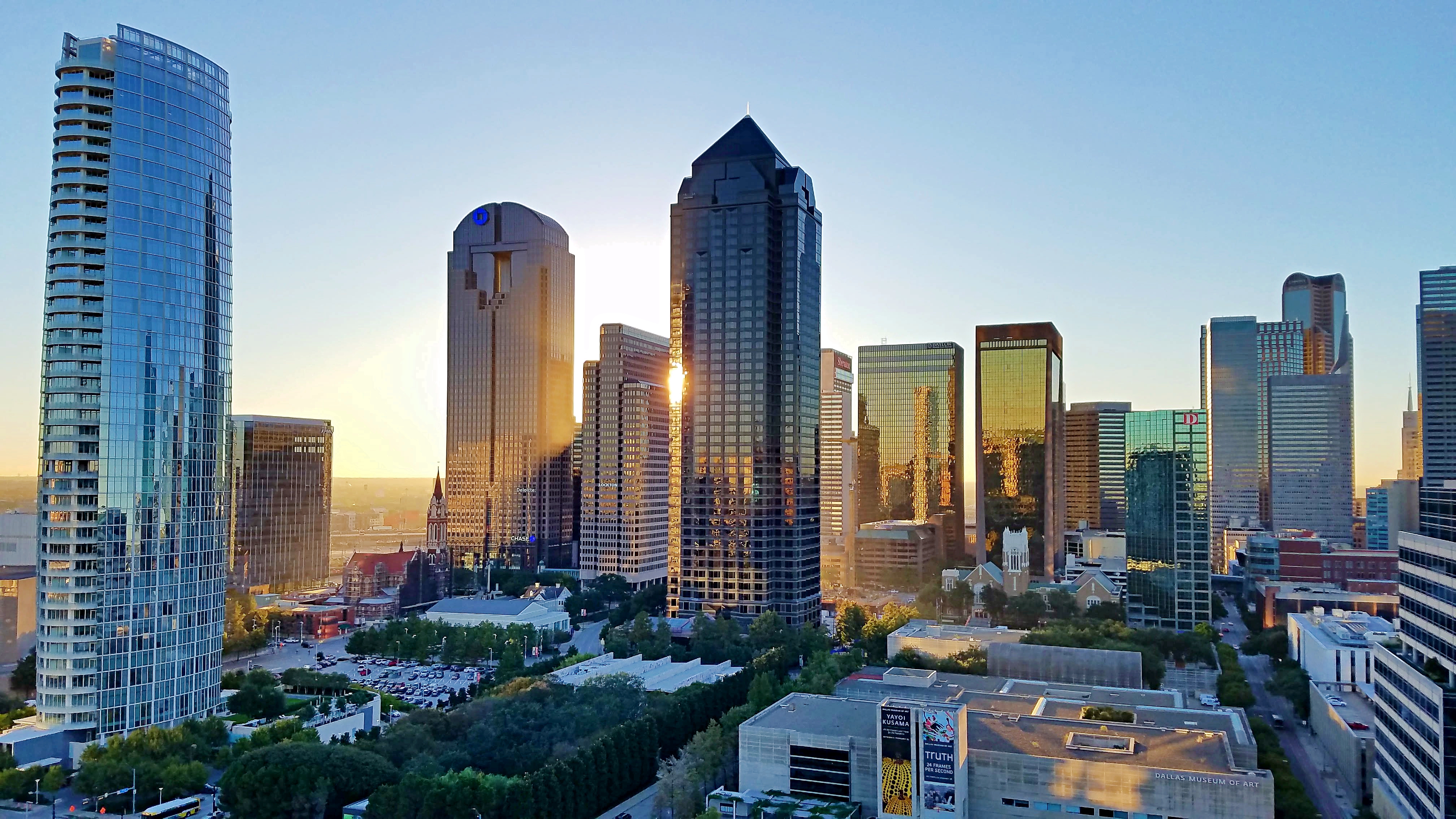
The Will to Exist
No river, no harbor, no geographic excuse—just 180 years of deciding to matter anyway
Read More
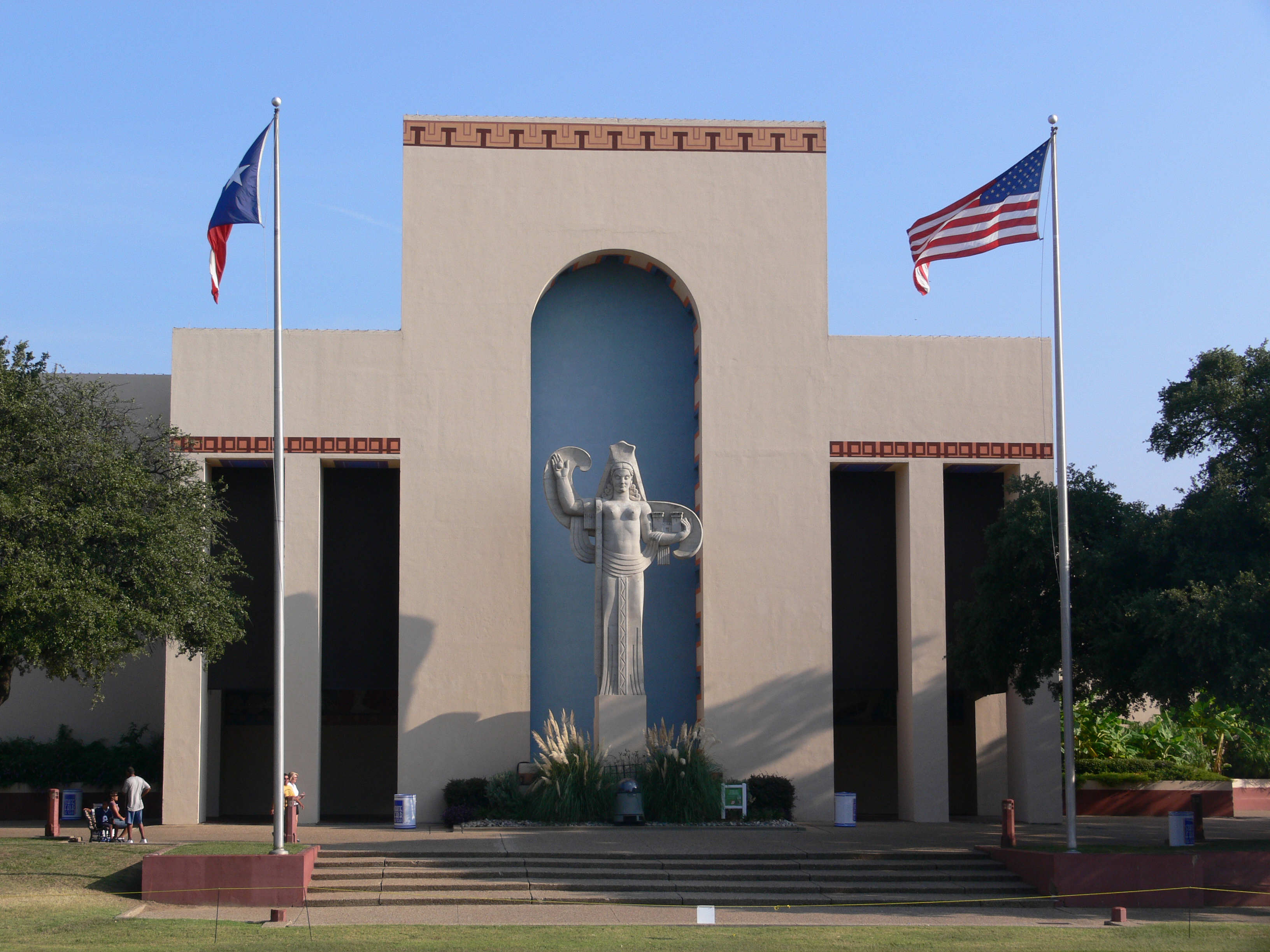
The Coney Island Dallas Forgot
In the early 1900s, Lake Cliff Park was the entertainment capital of Dallas. Roller coasters looped over a spring-fed lake. A massive natatorium drew thousands of swimmers. Vaudeville shows packed the pavilion. Then came the 1908 flood that wiped out the bridges and trolley lines. Without easy access from Dallas, the park couldn't survive. It closed in 1913, and Dallas erased it from memory. Today, a quiet city park sits where the roller coasters once ran. Almost nothing marks what was lost.
Read More
The Bombing Campaign Dallas Forgot
In the early 1950s, a systematic campaign of racial terror swept through South Dallas. Black families who dared to buy homes in previously white neighborhoods found dynamite on their porches, bombs in their yards, their houses destroyed while they slept. At least eighteen bombs exploded. The police did nothing — or worse. Grand juries were convened and mysteriously disbanded. No one was ever convicted. Dallas erased the whole thing from its official history.
Read More

The Day Dallas Invented the Future
Every smartphone, every computer, every digital device traces back to a lab in Dallas. In 1958, Jack Kilby invented the integrated circuit at Texas Instruments. He won the Nobel Prize for it. You're using his invention right now.
Read More
The Highway Over the Graves
For a century, Dallas built over its dead. Freedman's Cemetery was established in 1869 for formerly enslaved people — the only place in the city where Black residents could bury their dead. By 1900, over 5,000 people lay there. Then the city forgot. Roads were built. The cemetery disappeared from maps. In 1990, construction crews discovered they'd been driving over graves for generations. What they found forced Dallas to confront a history it had literally buried.
Read More

Deep Ellum: How Dallas Built a Black Cultural Mecca, Then Bulldozed It for a Highway
Deep Ellum was Dallas's Black cultural heart — where blues legends played, where freedmen built businesses, where culture thrived despite segregation. Then the city built Central Expressway and Interstate 345 directly through it, displacing hundreds of Black residents and erasing the neighborhood's core. Deep Ellum has been revived three times since, but it's never been the same.
Read More