Beyond the Sun-Bleached Pavement
Castles, cemeteries, speakeasies, and secrets hiding in the desert sun
Phoenix has a reputation for being all about the sprawl, but the real soul of the city is often tucked away in mid-century basements, desert preserves, and strip malls that harbor world-class curiosities.
1
Tovrea Castle
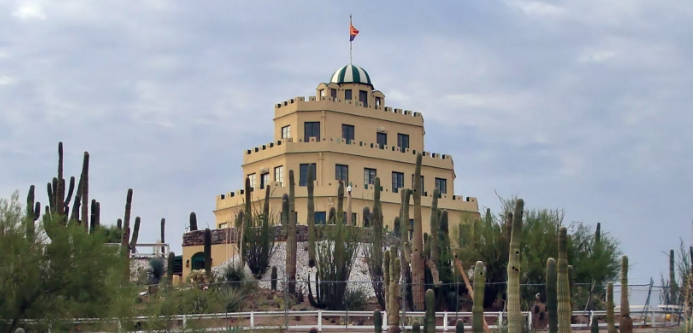
Alessio Carraro made his fortune in sheet metal, bought 277 acres in 1928, and dreamed of a desert resort destination called Carraro Heights. He and his son Leo built a vernacular Italianate hotel centerpiece from 1929-1931—tiered like a wedding cake, based on Italian architecture. Then the stock market crashed. In 1931, cattleman E.A. Tovrea and his wife Della bought the castle with 44 acres from Carraro. E.A. died within a year. Della lived there until 1969. Contrary to legend, Tovrea didn't build it for his wife as a wedding cake replica—that's romanticism invented later. The Tovrea Carraro Society now runs 90-minute tours of the grounds, first floor, and basement. Book months ahead. Visible from I-10 but inaccessible without a tour.
2
Pioneer and Military Memorial Park (Block 32)
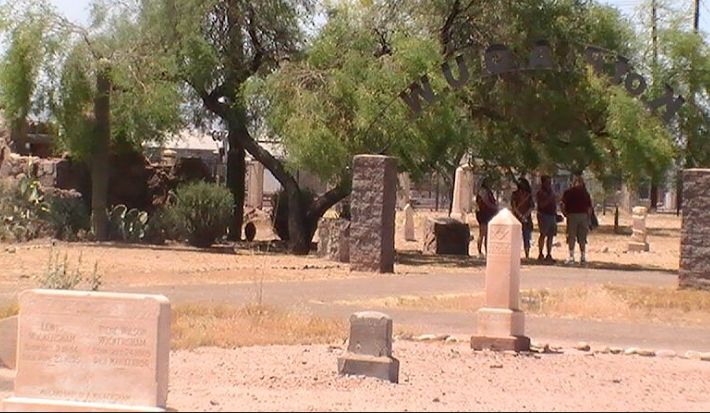
In 1884, the city council bought Block 32—ruins of a pre-Columbian Hohokam community called "La Villa"—because citizens worried train passengers' first view of Phoenix was a cemetery "right at the door of our beautiful city." Seven cemeteries operated here between 1884-1914: AOUW, IOOF, Knights of Pythias, Loosley (City Cemetery), Masons, Porter, and Rosedale. Closed to burials in 1914 by new city law. Renamed Pioneer and Military Memorial Park February 1, 2007. Estimated 3,700 burials, fewer than 600 with headstones. Darrell Duppa (Englishman who named Phoenix and Tempe) buried in Masons section. Jacob Waltz (German immigrant, Lost Dutchman gold secret) buried in City/Loosley section. Potter's field for unclaimed bodies. History layered on Hohokam ruins.
3
Hunt's Tomb
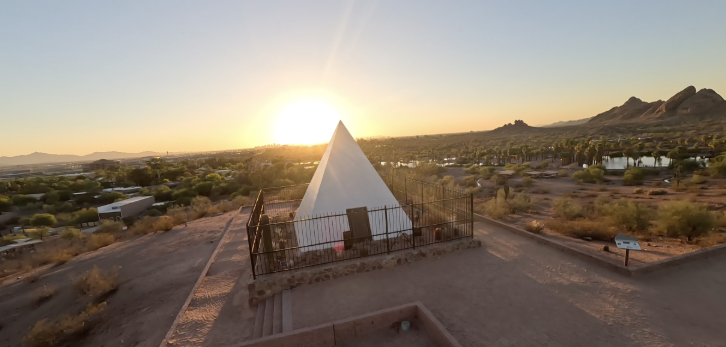
When King Tut's tomb was discovered in 1922, Arizona's first governor George W.P. Hunt became obsessed with pyramid burial. Hunt was an unconventional progressive—he fought for women's suffrage, abolished child labor, did his own grocery shopping (scandalous for 1920s men), and knitted scarves for soldiers during WWI. He served seven terms between 1912 and 1933. When his wife Helen died in 1931, Hunt built a 20-foot-tall pyramid faced with white bathroom tile in Papago Park. Helen was entombed April 4, 1933. Hunt died from heart failure December 24, 1934, and joined her. Seven people total are buried inside. Listed on the National Register of Historic Places in 2008, the tomb sits atop a red sandstone hill, overshadowed by nearby Hole in the Rock. Most visitors drive right past Arizona's weirdest monument to its least conventional governor.
Sponsored Pick
Advertisements help support our content
4
Sun Mercantile Building
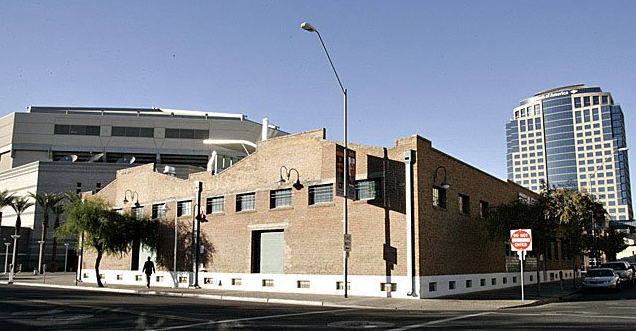
Built 1929 for Chinese-born businessman Tang Shing, became the largest wholesale grocery house in Phoenix. Last remaining building from Phoenix's Second Chinatown (c. 1890–1960). Phoenix's Chinatown was established by Chinese railroad workers in the 1870s-1880s, filled with laundries, groceries, restaurants until mid-1940s when larger corporations bought out Chinese businesses. National Register of Historic Places September 1985. Phoenix Historic Property Register March 1987. In 2005, Phoenix Suns proposed a $200 million luxury high-rise that would incorporate the building's base with roof removed. Historic preservationists, Asian American community, and city council fought it. Project blocked by lawsuit. As of 2019: IASIS Healthcare Multi Specialty Clinic. Silent witness to vanished community.
5
Curious Nature
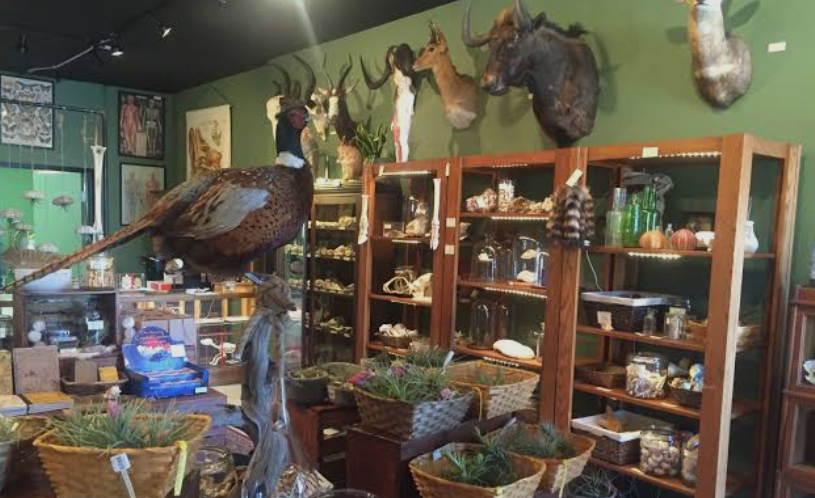
Small taxidermy emporium filled with bones, skulls, vintage taxidermy, freeze-dried toads, and squid in jars. Located in the Melrose District. Known mainly to oddity collectors and taxidermy enthusiasts. Not your typical gift shop.
6
Mesa Grande (Sce:dagĭ Mu:val Va'aki)
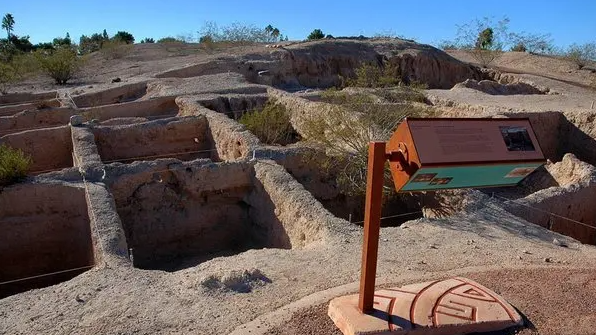
One of only two remaining Hohokam platform mounds in metro Phoenix. Larger than football field, 27 feet high. Occupied AD 1100-1400. Seasonally open October-May since 2013 visitor center completion. Overshadowed by Pueblo Grande despite significance.
Sponsored Pick
Advertisements help support our content
7
Max Delta Mine Ruins
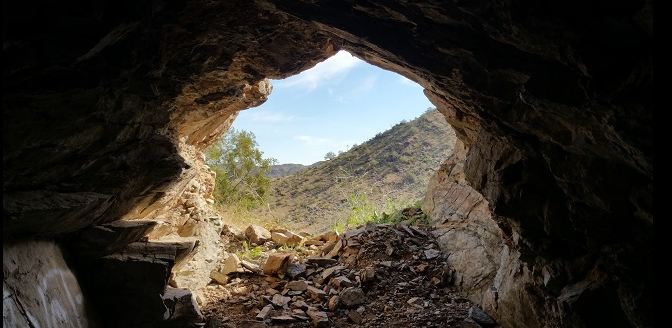
Gold mining operation began 1913 on north slope South Mountain. Shut down 1942 by U.S. War Production Board. Ruins still visible in South Mountain Park. Hidden in vast park system — requires knowledge of location.
8
Arizona Falls
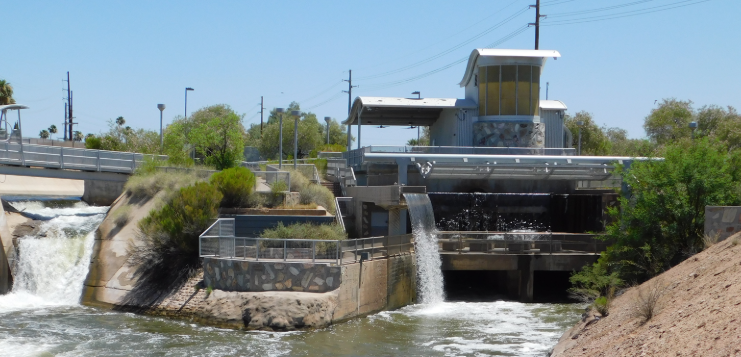
In the late 1800s, Phoenicians picnicked, socialized, and danced near the cool water where the man-made Arizona Canal crossed a natural 20-foot drop in present-day Arcadia. Phoenix Light and Fuel Company built the first hydroelectric plant here in 1902. Heavy flooding in 1905 left it unused for years. SRP rebuilt the plant in 1911, began delivering power in 1913, shut it down in 1950 when repairs were deemed too expensive. Reopened June 21, 2003. SRP, City of Phoenix, Phoenix Arts Commission, and Arcadia Neighborhood restored the historic site. Boston architect Lajos Heder and sculptor Mags Harries designed the park under commission of Phoenix Office of Arts and Culture. Features original antique gears, poetry by Arizona's first poet laureate Alberto Ríos. Generates up to 750 kilowatts, supplemented by solar panels. Functional power station and public gathering space. Many locals drive past constantly without noticing.
9
Oak Street Alley Murals
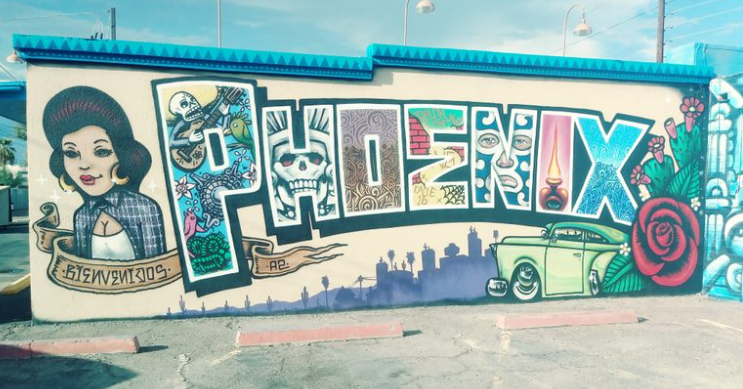
Between 14th and 15th streets in Downtown Phoenix. Cinderblock walls and fences serve as canvases. Prismatic murals by local and national artists. Unassuming residential alley — unmarked, easy to miss.
Sponsored Pick
Advertisements help support our content
10
Valley Art Theatre
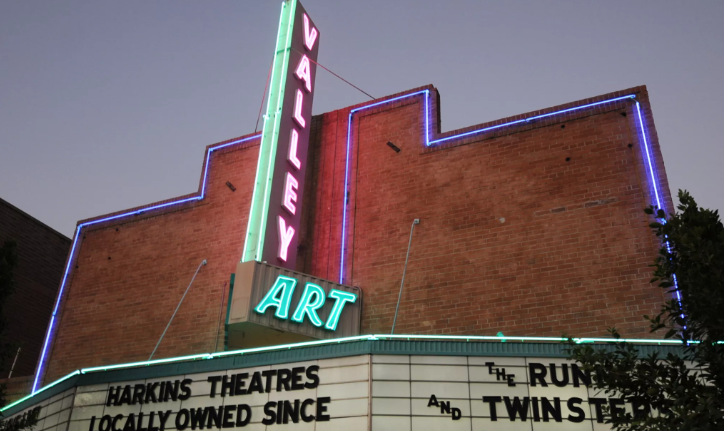
Dwight "Red" Harkins was 25 years old at the tail-end of the Great Depression when he founded Harkins Theatres. He opened his first theater (the State Theater) in Tempe in 1933. This was his third Tempe theater. Constructed in 1938, opened November 21, 1940 as the College Theatre—named for proximity to Arizona State Teachers College (now ASU). Renamed Valley Art Theatre December 30, 1960. Arizona's oldest and longest operating movie theater. 2011: Harkins spent $1 million renovating—state-of-the-art projection, rocker seats, new snack bar—while maintaining exterior facade, box office, neon sign, and marquee. Tempe's largest neon sign. In Tempe, overshadowed by newer theaters, but still screening.
Stay curious
New stories and hidden gems delivered to your inbox.
No spam. Unsubscribe anytime.
Explore More
Discover more curated guides and local favorites.
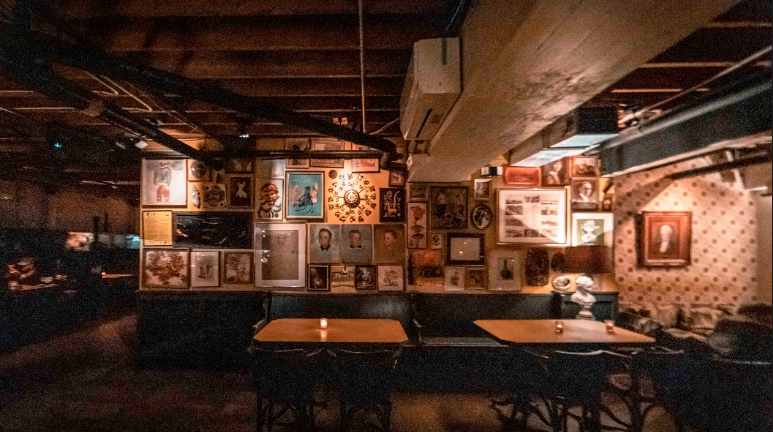
Phoenix's Best Bars
Dive bars, cocktail lounges, and neighborhood favorites
Explore
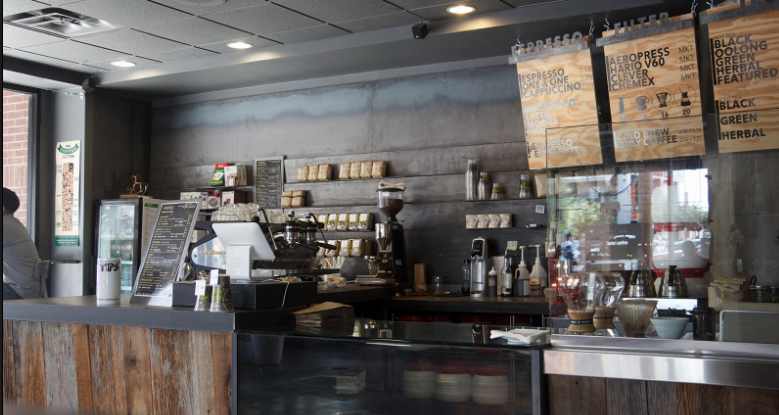
Phoenix's Best Coffee Shops
Local roasters, cozy cafes, and third wave spots
Explore
Phoenix's Best Restaurants
From fine dining to hidden gems and local favorites
Explore
Phoenix's Dark History
Unsolved mysteries and darker chapters
Explore
Phoenix's Curiosities
Fascinating facts and surprising stories
Explore
Phoenix's Lost Phoenix
Beloved places we miss
Explore
Seattle Best Bars
Dive bars, cocktail lounges, and neighborhood favorites
Explore
Seattle Best Coffee Shops
Local roasters, cozy cafes, and third wave spots
Explore
Know something we missed? Have a correction?
We'd love to hear from you